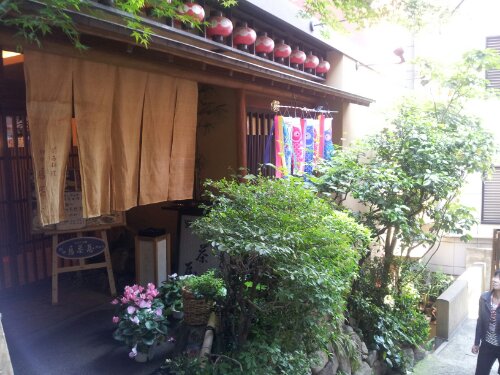
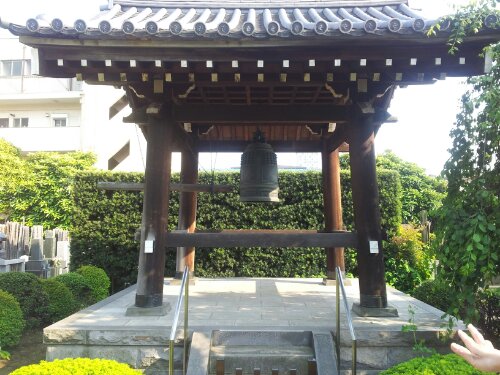
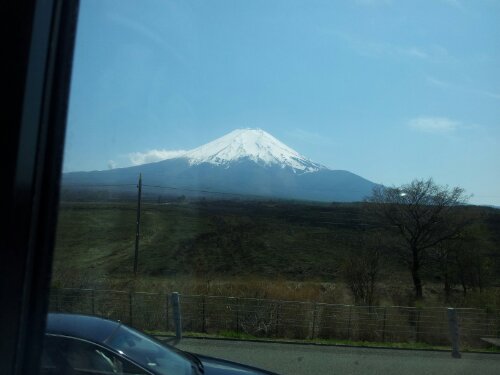
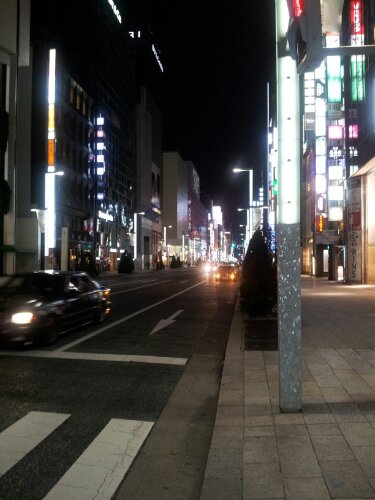
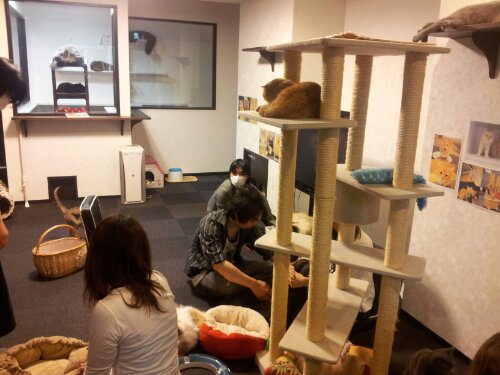
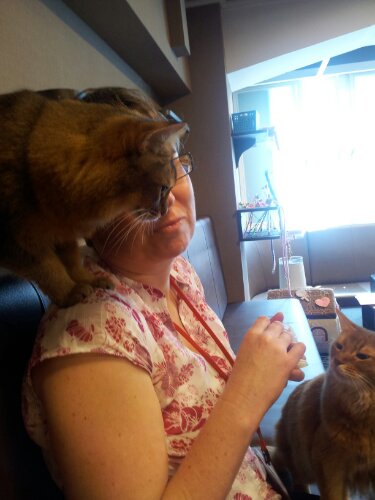
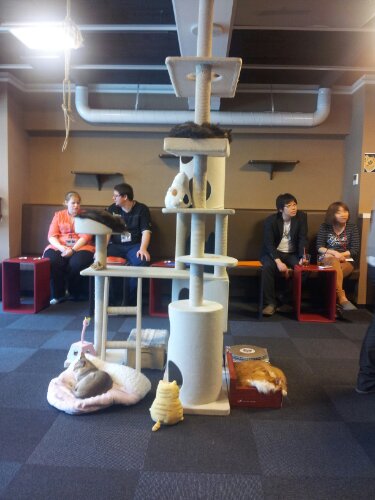
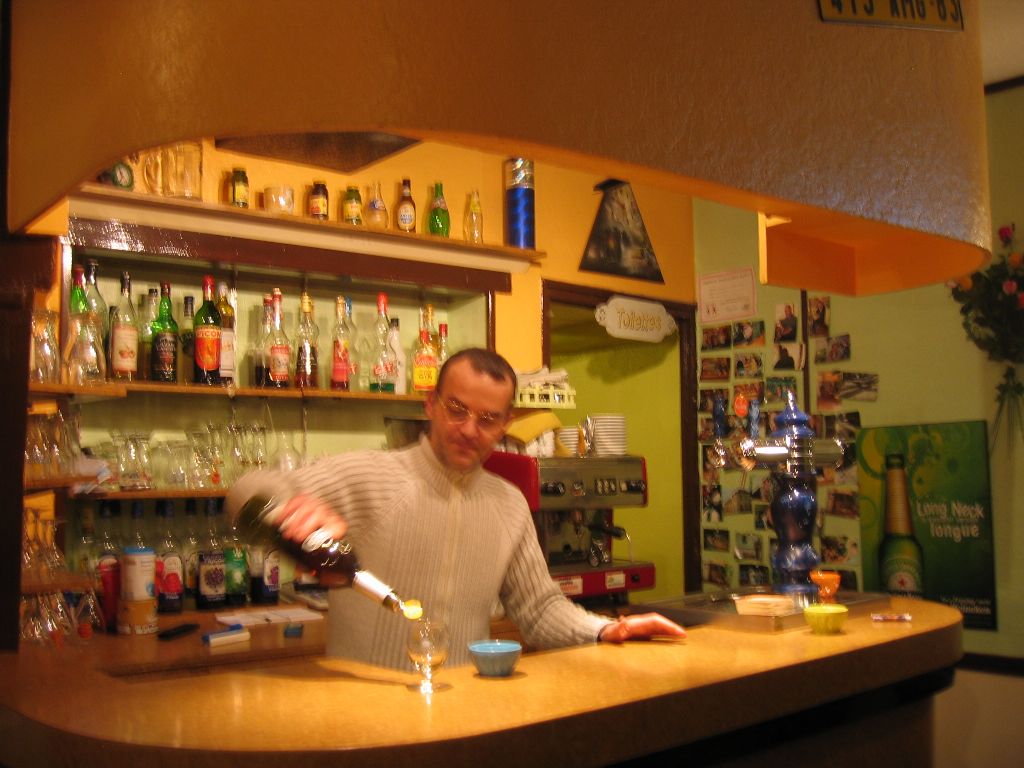
We had a really interesting couple of days firstly on a guided tour of the historic Kagurazaka district in Tokyo where some geishas live and train and the next day a bus trip to Mount Fuji and back on the bullet train. Off to France tomorrow but we really have had an interesting and enjoyable stay in Japan.
We had the traditional Christmas at Rona’s, there were 14 people this year as Margaret’s daughter Sharon was over with her three boys, and also Pauline’s sister Sue was here with Jared. A lot of work for Auntie Rona! The day went really well, we had roast lamb and roast pork (I did the pork,) xmas pudding with flaming brandy, trifle, fruit salad etc etc. As per usual, we all ate far too much. It was great, Rona did a fantastic job and we all pitched in to help of course.
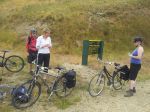
Sue, Jared, Pauline and myself went off and rode the rail trail from Clyde to Hyde, we didn’t quite make it all the way to Middlemarch but it was great fun, and we stayed at some really nice places and ate some fabulous food along the way.
Here’s a few photos:
Table set for 14 people at Rona’s
Ditto
Helen, Sharon, Margaret and one of the boys
Jocelyn, Ron, Sue, pauline, Rona, Mum, another one of the boys
Jared doing something energetic
ed tuckered out after watching Jared
Chatto creek
Pauline at Chatto creek
Pod at ditto
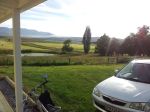
The view from our accomodation, Oturehua lodge
Sue and J
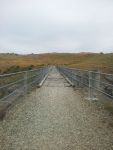
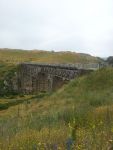
One of the viaducts
View from the viaduct
Same viaduct
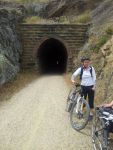
Sue at one of the tunnels
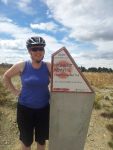
Pauline at the top of the rail trail
Jared and Sue
Mr Ed recovering after hearing all about the trip.
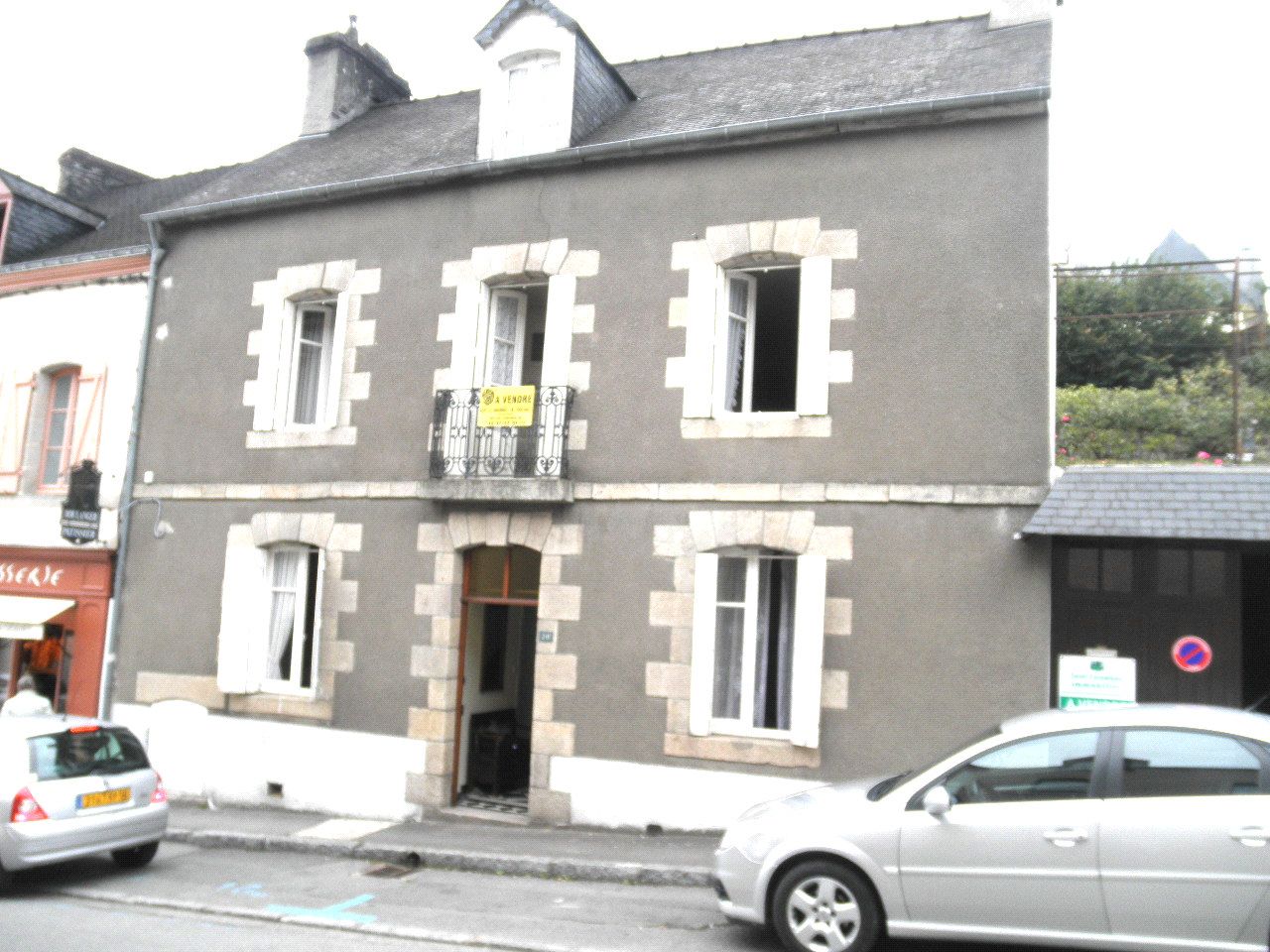
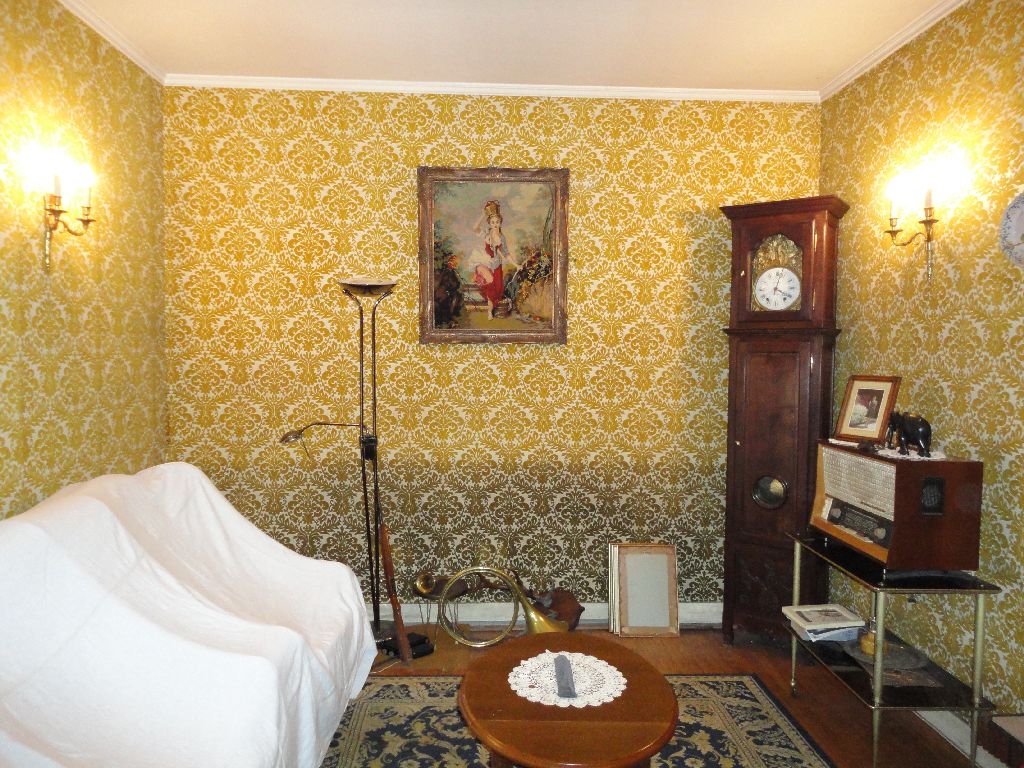
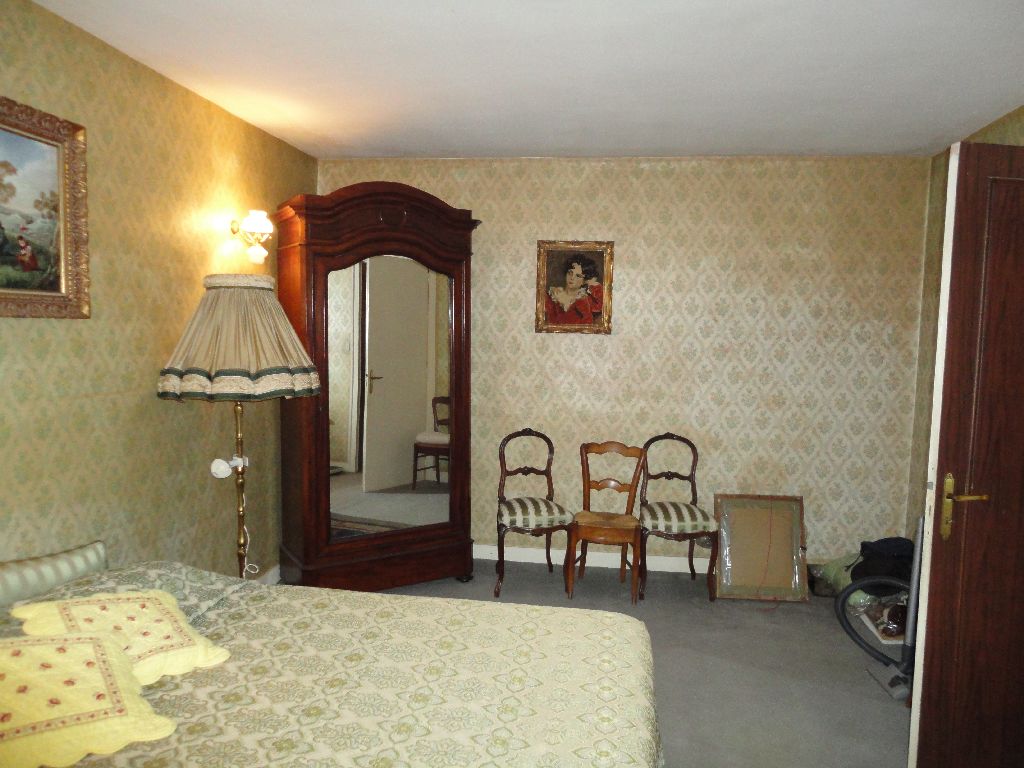
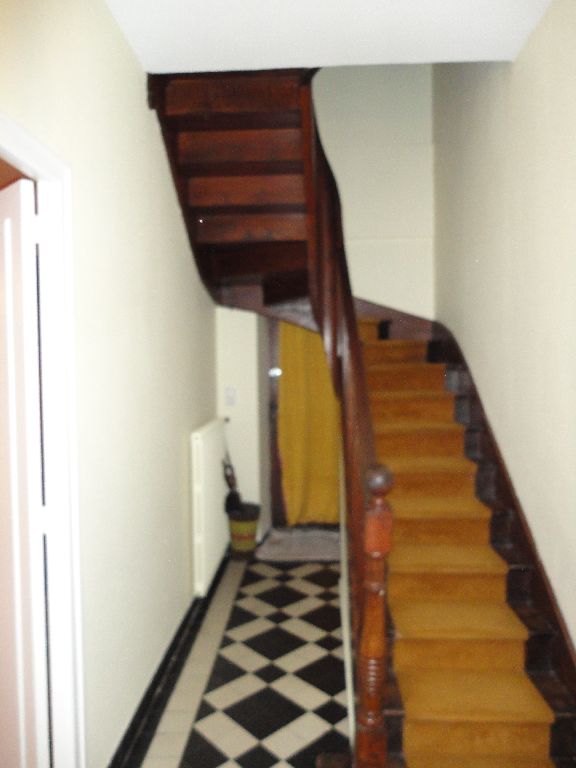
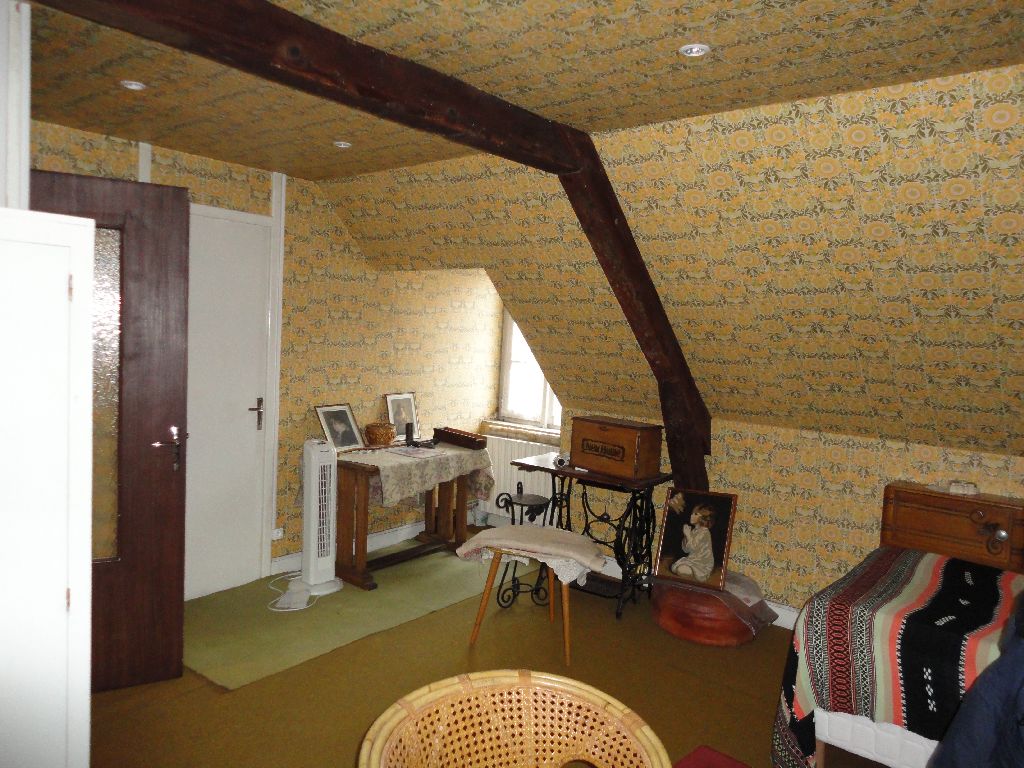
Well it’s been a very long time since I posted on this blog, in the meantime we decided we liked Josselin so much, we bought a house there!. So we stopped off in Josselin on our way to a conference in Chester towards the end of 2011 and asked our friendly local real estate agent to show us some houses. We really liked one of them, which was in the main street about a block down from the house we had rented, and over the next several months we bought it, taking ownership early on in 2012. In May this year we travelled back there again, and spent a month painting one of the rooms, buying crockery, furniture, bicycles, setting the house up ready to live in basically. It is a three story stone house, a hundred and fifty years old, with three bedrooms and an attic which is what they call aménageable, which means it could be easily converted into another bedroom if necessary.
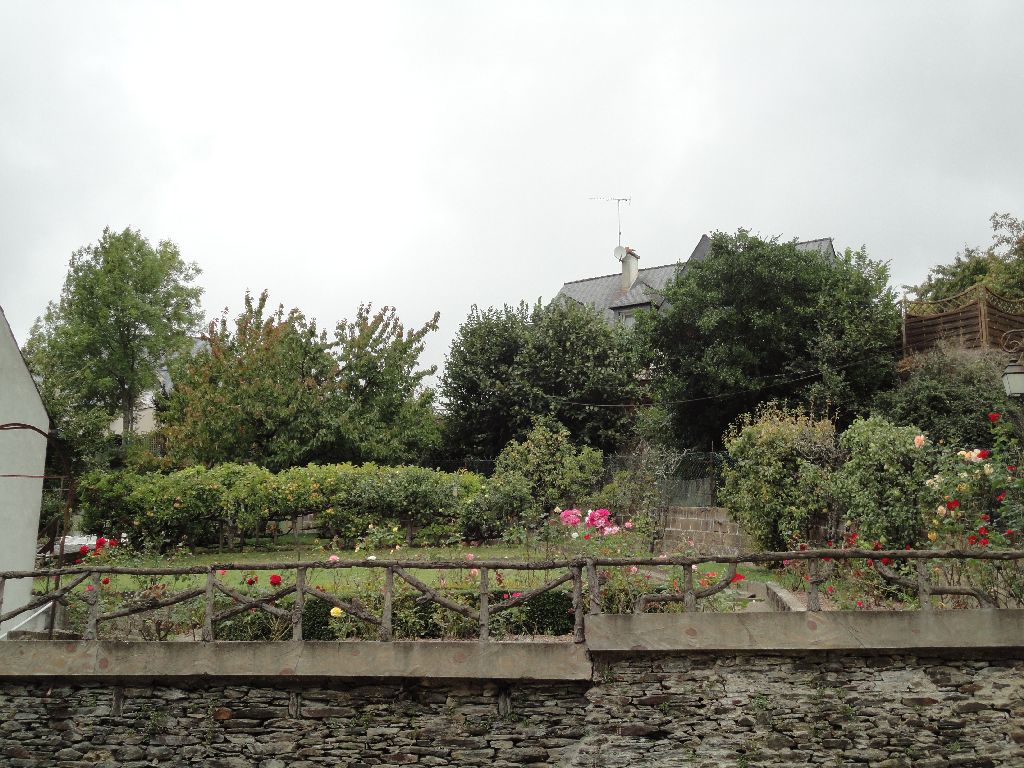
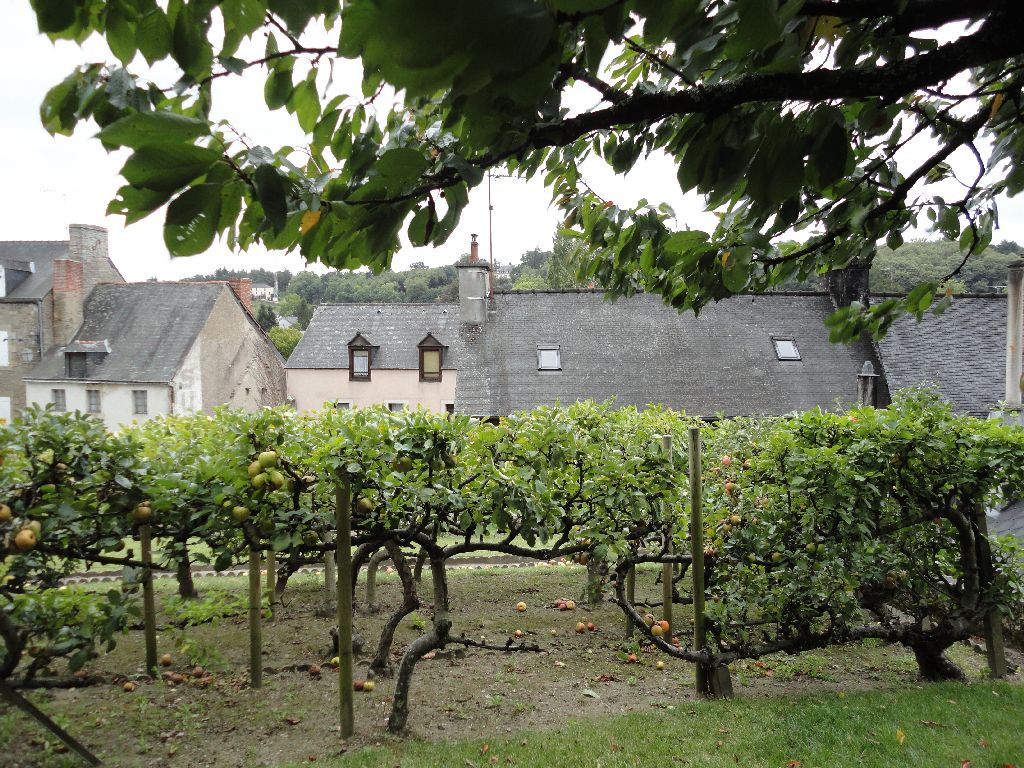
The house has quite a large garden with many apple and pear trees, which is all very nice and great to sit in but not very practical when you live on the other side of the world!
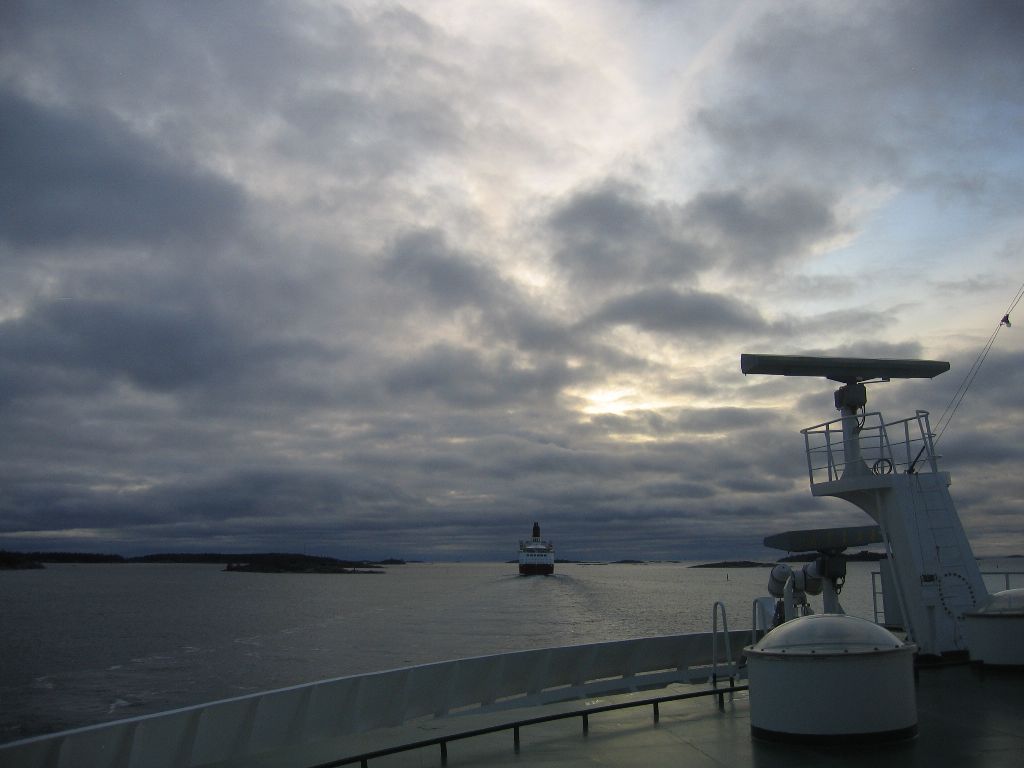
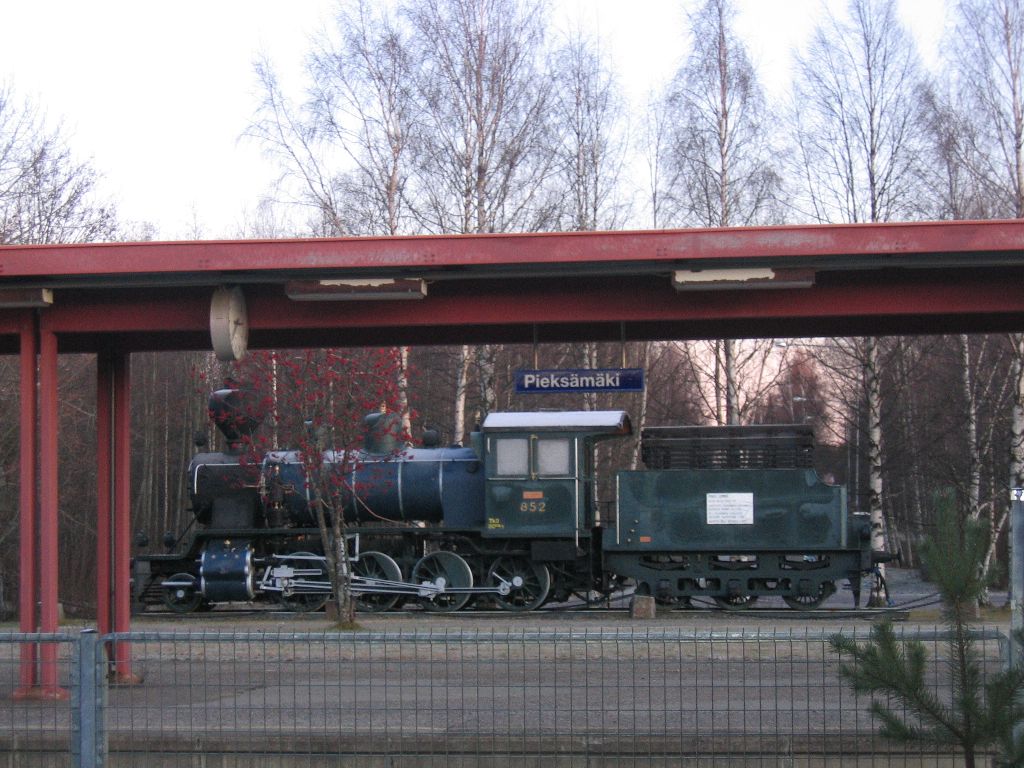
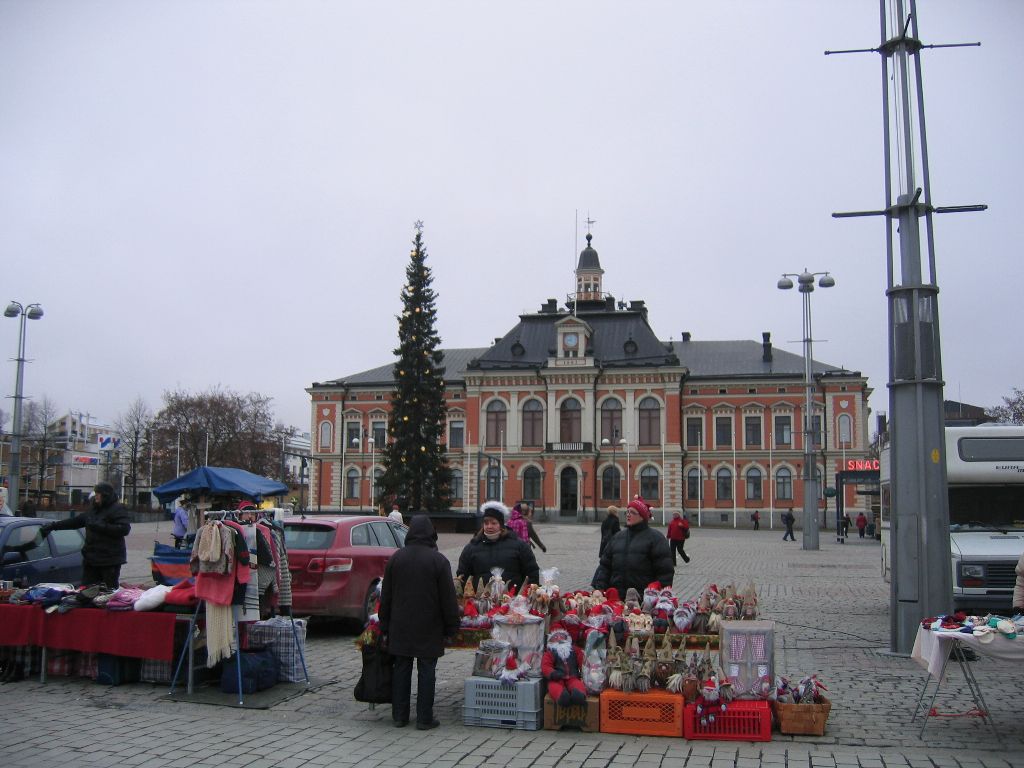
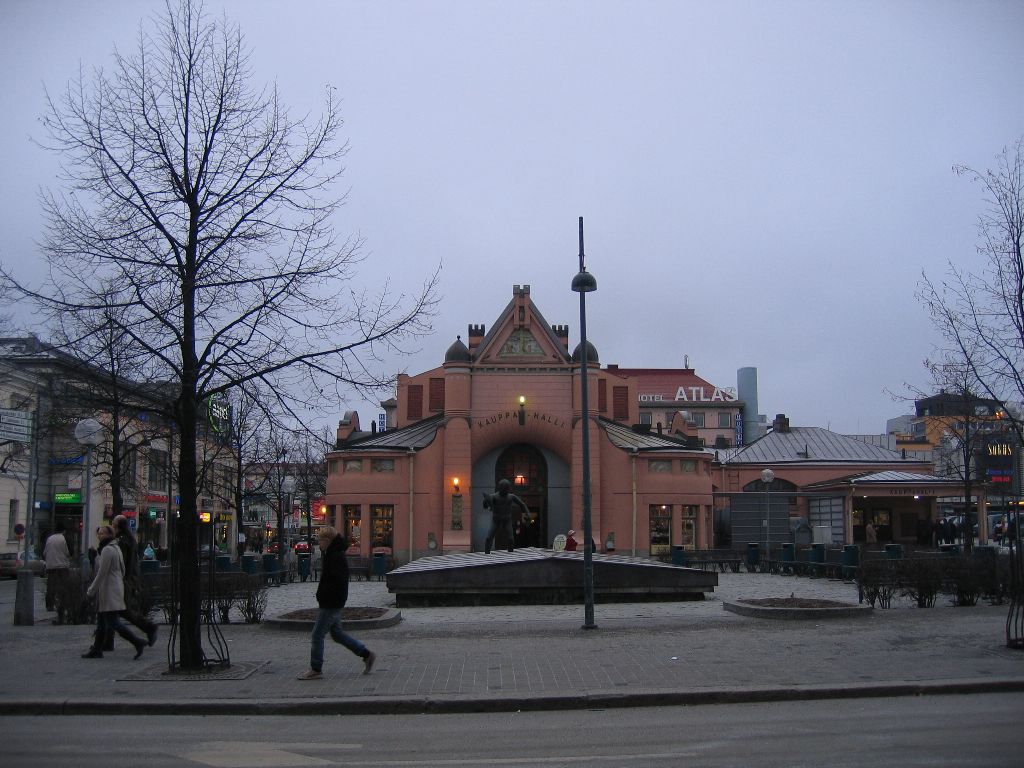
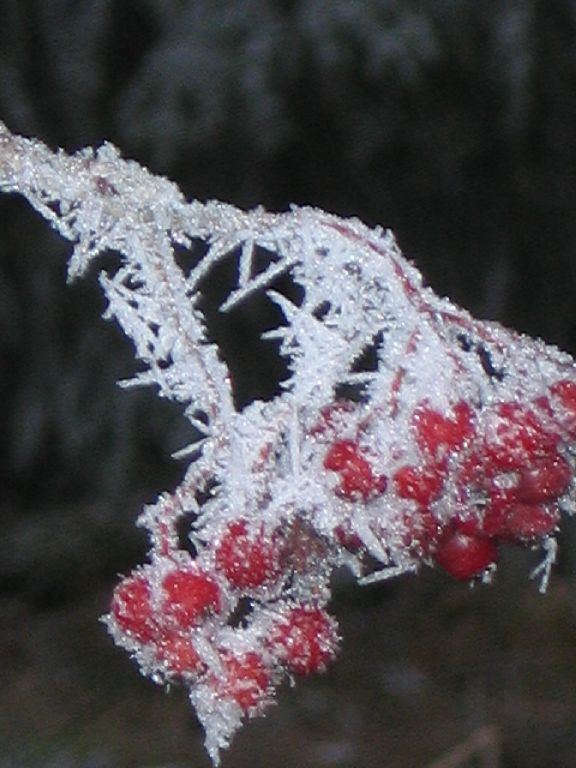
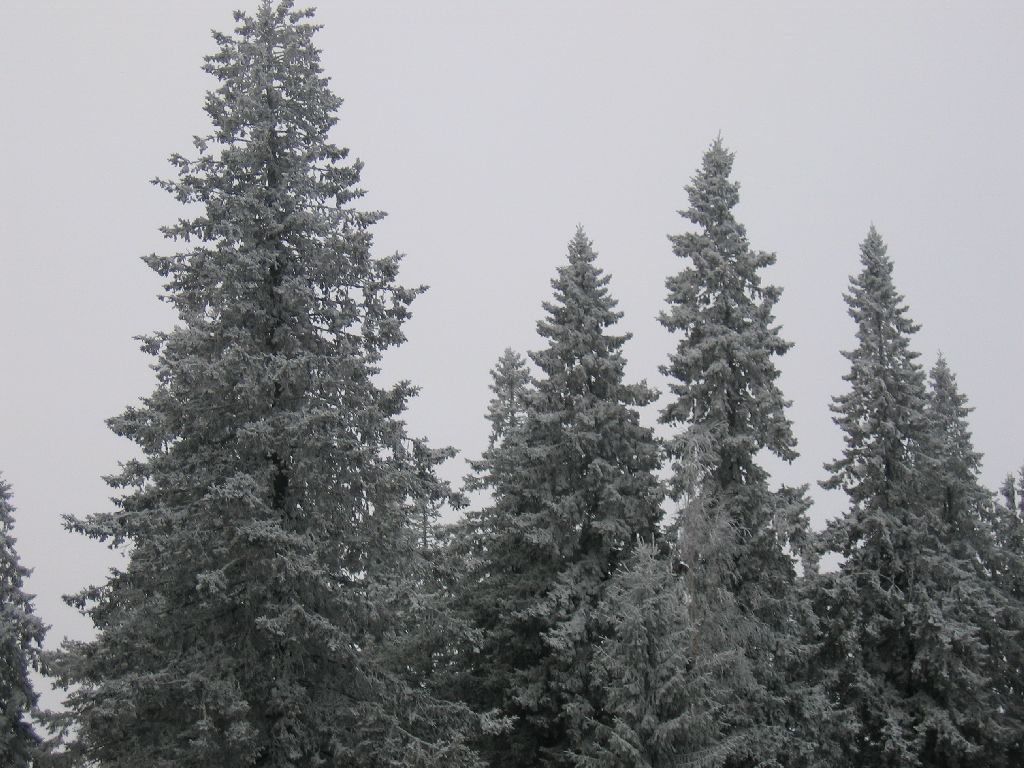
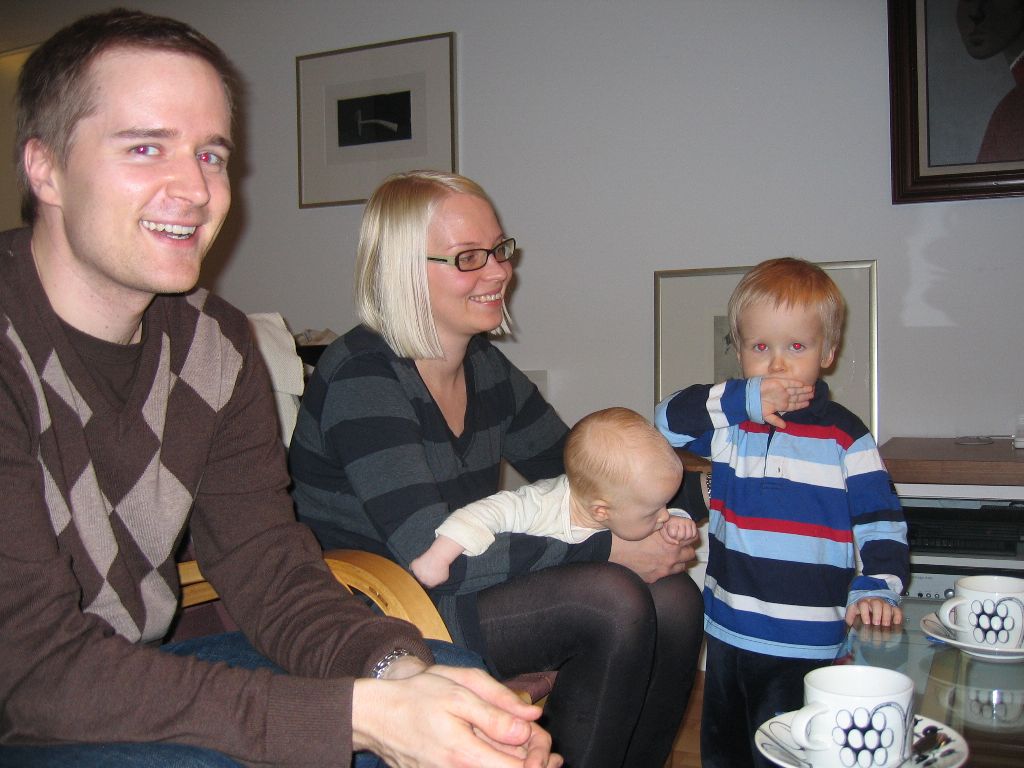
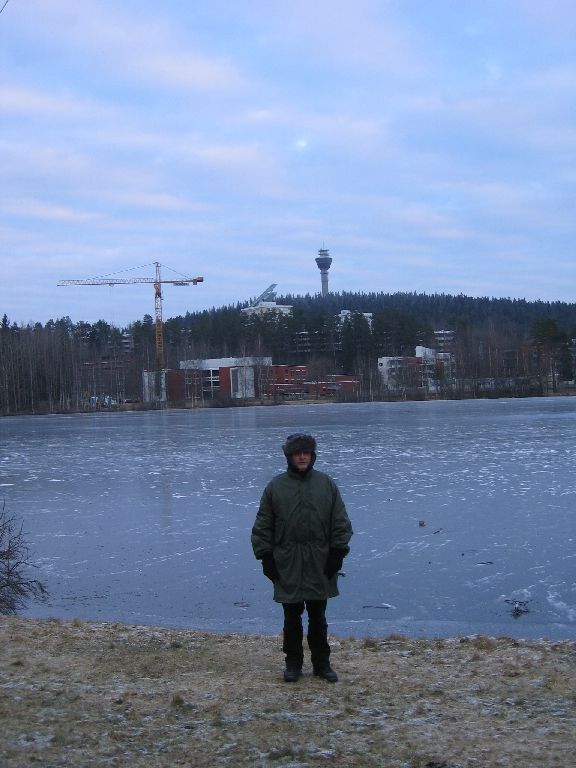
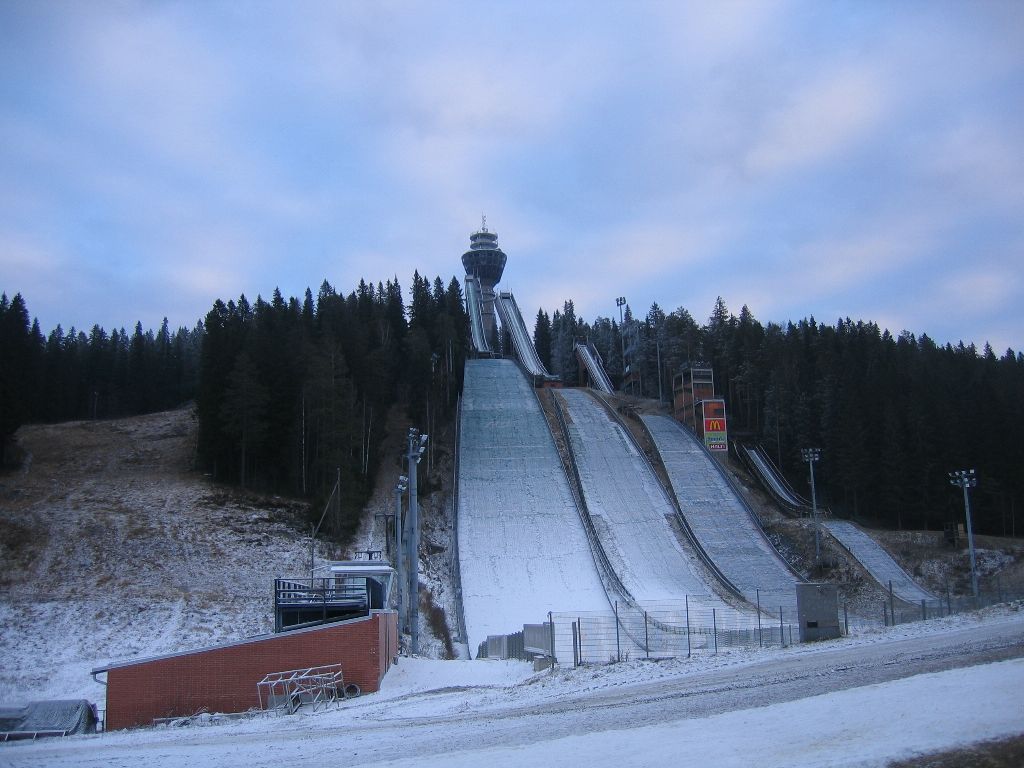
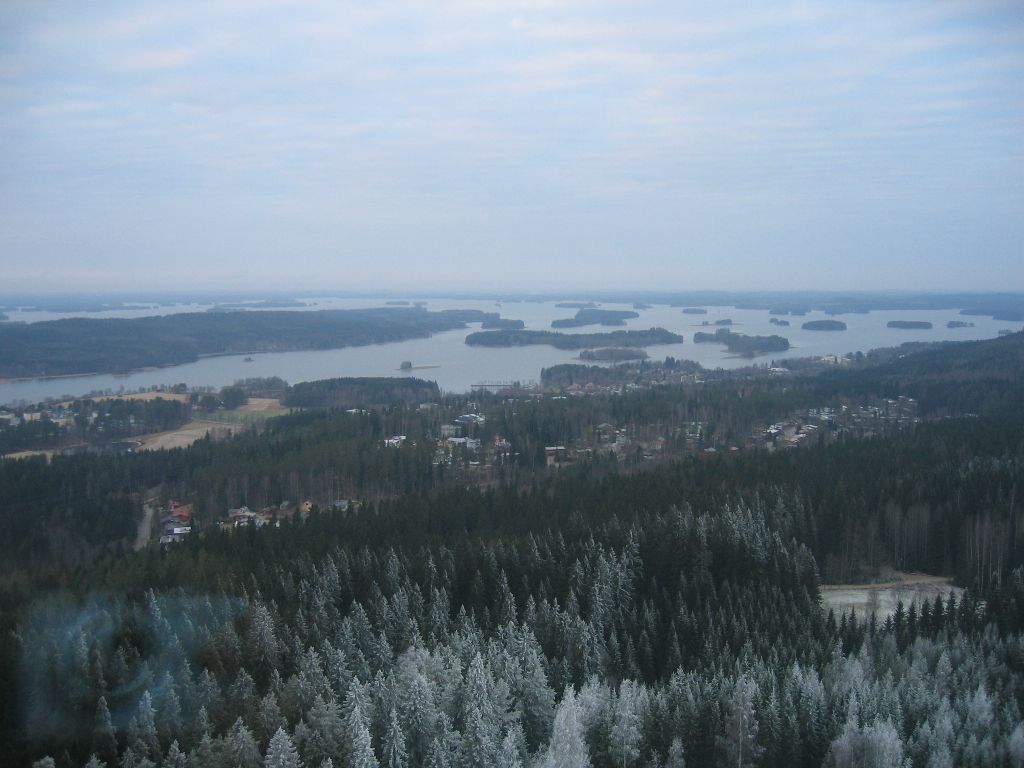
We’ve been in Kuopio for about six days now. We had a great trip on the ferry from Stockholm to Turku, it takes about 12 hours but we had a cabin so we slept for a couple of hours, the rest of the time we read books, Pauline did some work, and we had breakfast and an excellent lunch. After lunch, there was a band and everyone (apart from us) sang Finnish songs and danced. After a brief walk around Turku, the next day we took the train to Kuopio, about a 5.5 hour journey. It’s certainly cold here, about -4 or -5 but it would normally be a lot colder, with snow by now. The effects of global warming are quite plain for the Finns to see. The last couple of days it’s only been 0. It gets dark here at 3:30 which takes a bit of getting used to. Here’s a few photos:
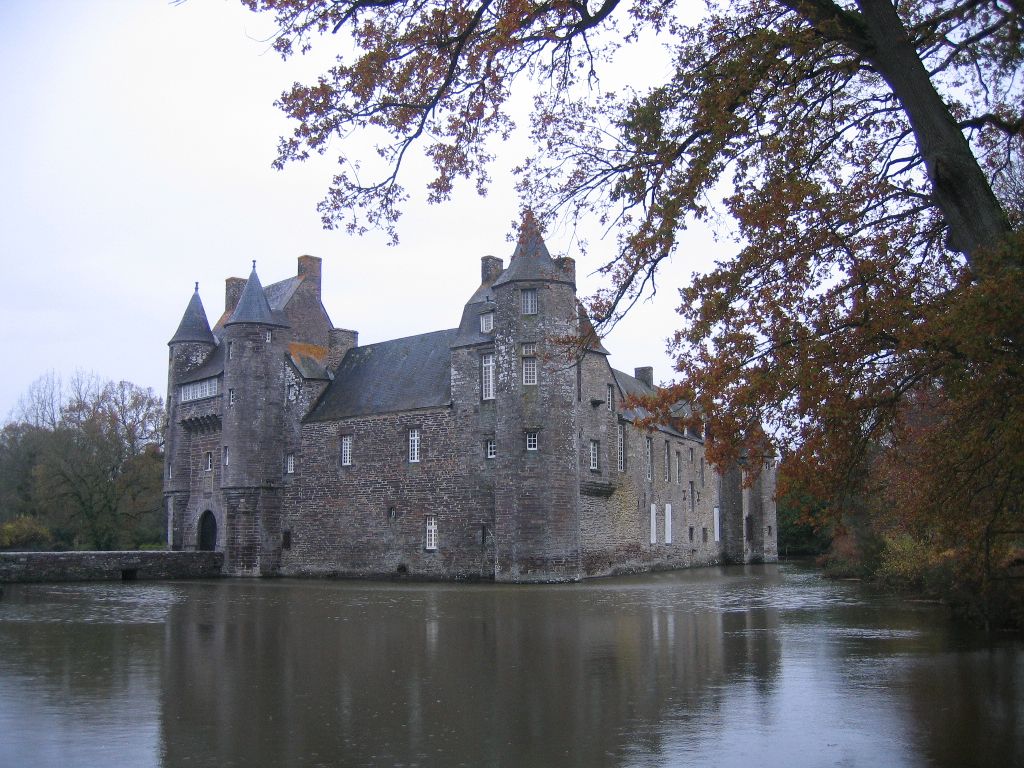
The mighty Ford Fiesta, Trecesson castle, Morbihan
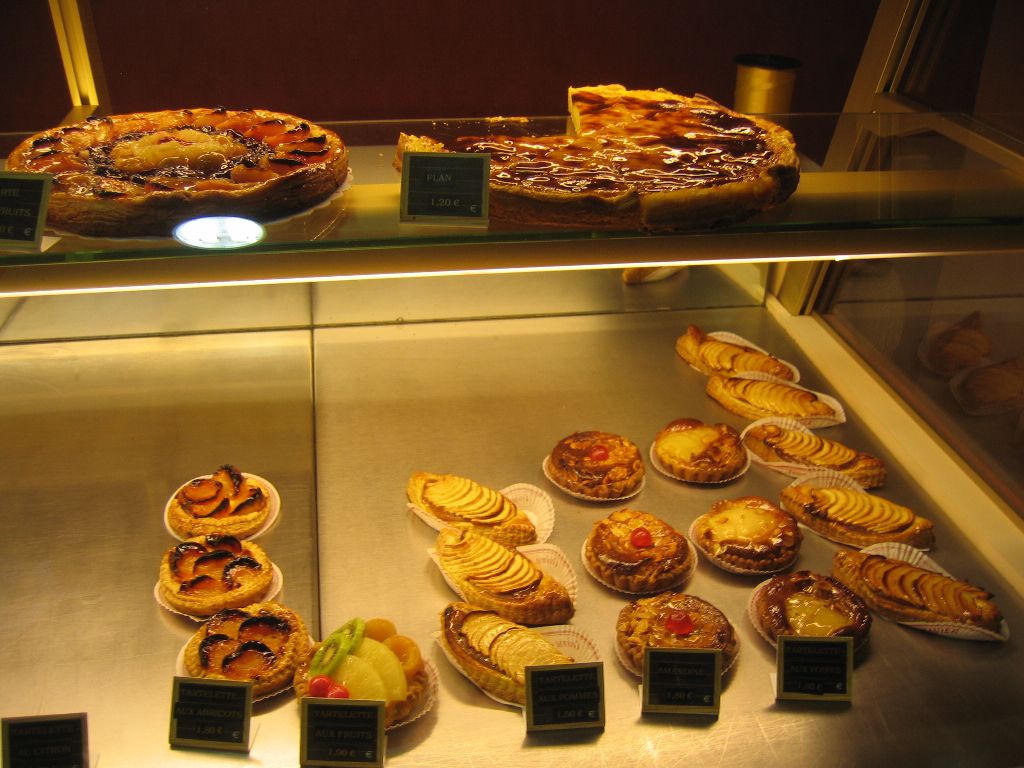
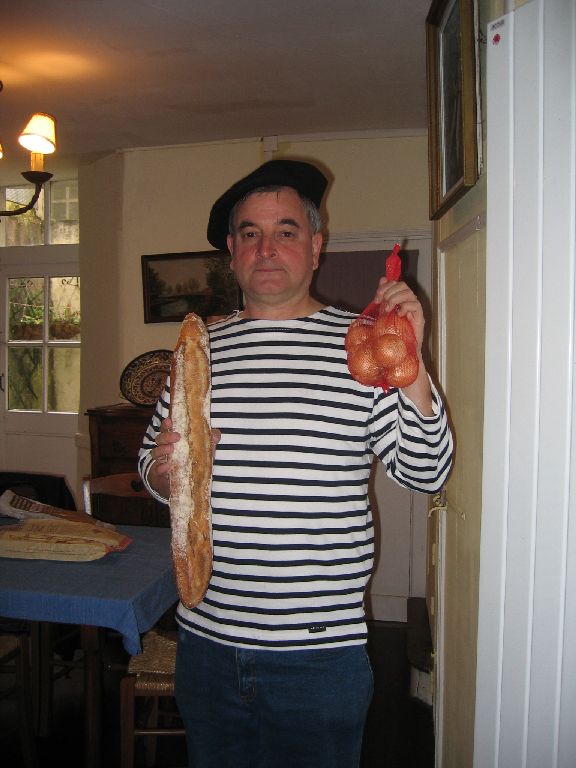
Pastries at our Boulangerie, Josselin
Phillippe, top bloke, Le Petit Bar
Catherine and Matteo, Le Petit Bar
Matteo, Le Petit Bar
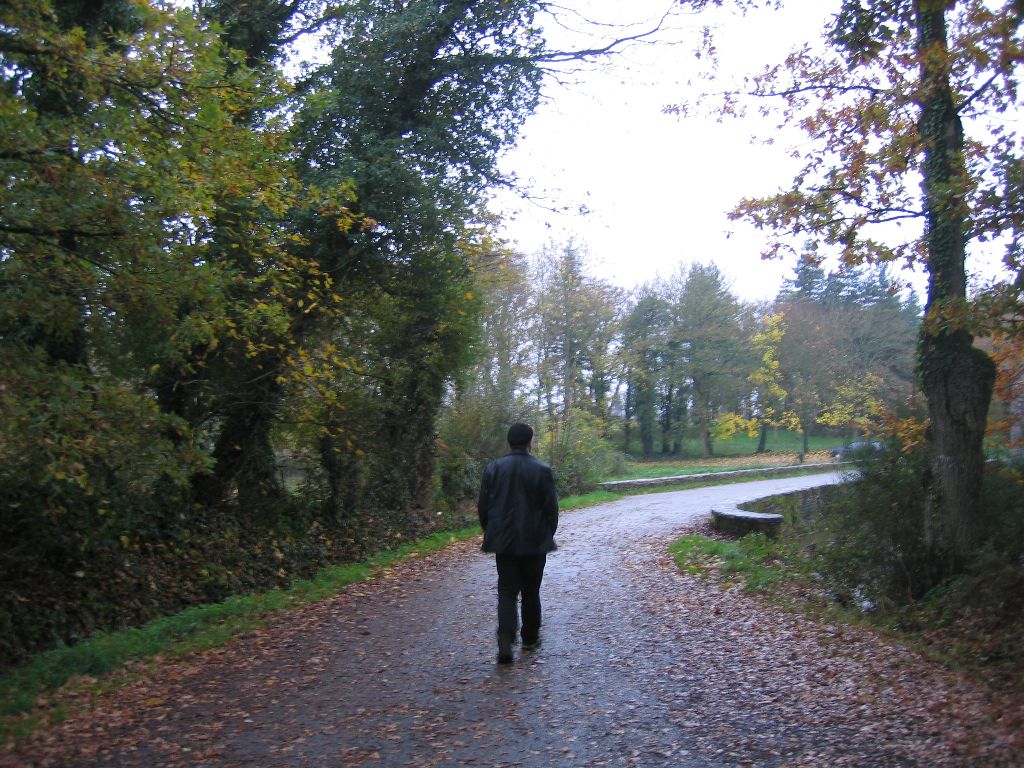
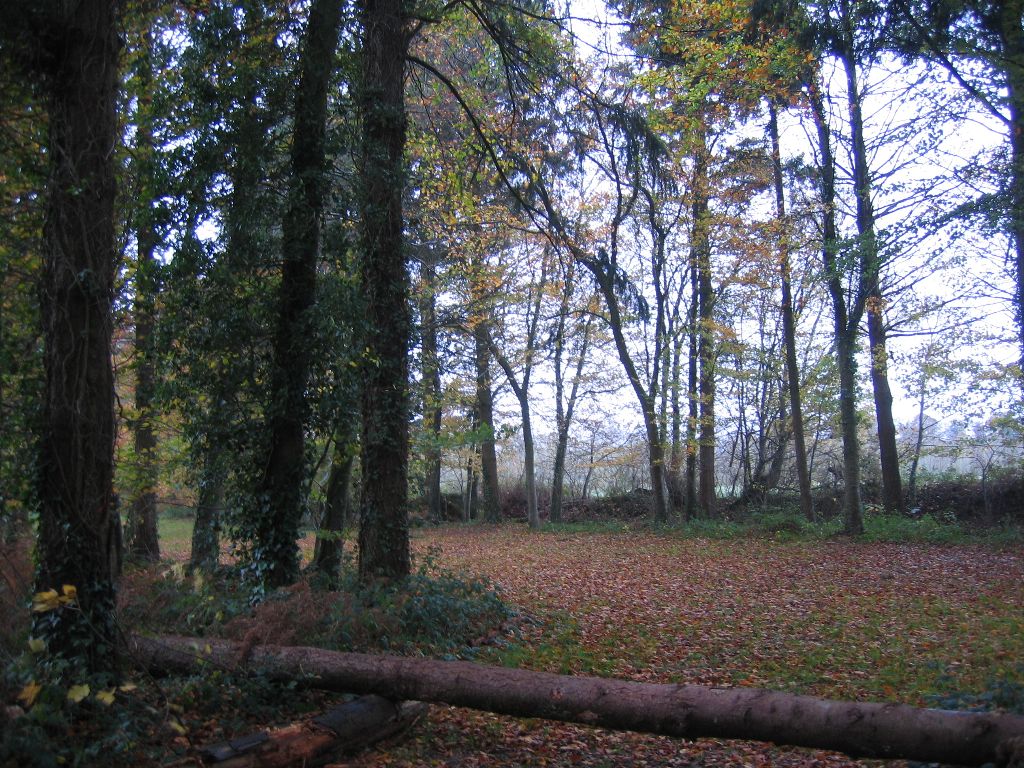
Morbihan forest, Bretagne
Château de Trécesson, Morbihan
Well the time came and with heavy hearts we said farewell to our friends in Josselin, our next door neighbour Mimi Bonnefoy, our french teacher Francoise and her husband Jean-Pierre, Monsieur the butcher whose name I was never sure of, Phillippe our excellent barman and his lovely wife Catherine, and their son Matteo, and many more, and we jumped on the bus to Pontivy where we’d hired a car to drive to Nantes. From Nantes we took a plane to Geneva, where we spent three nights in a hotel just around the road from our old apartment. We had a great time retracing our steps in Geneva, then it was on another plane and off to stay at Pauline’s friend Louisa’s apartment in Stockholm. And then, it was on the ferry to Turku, and the train to Kuopio which is where we currently are staying.
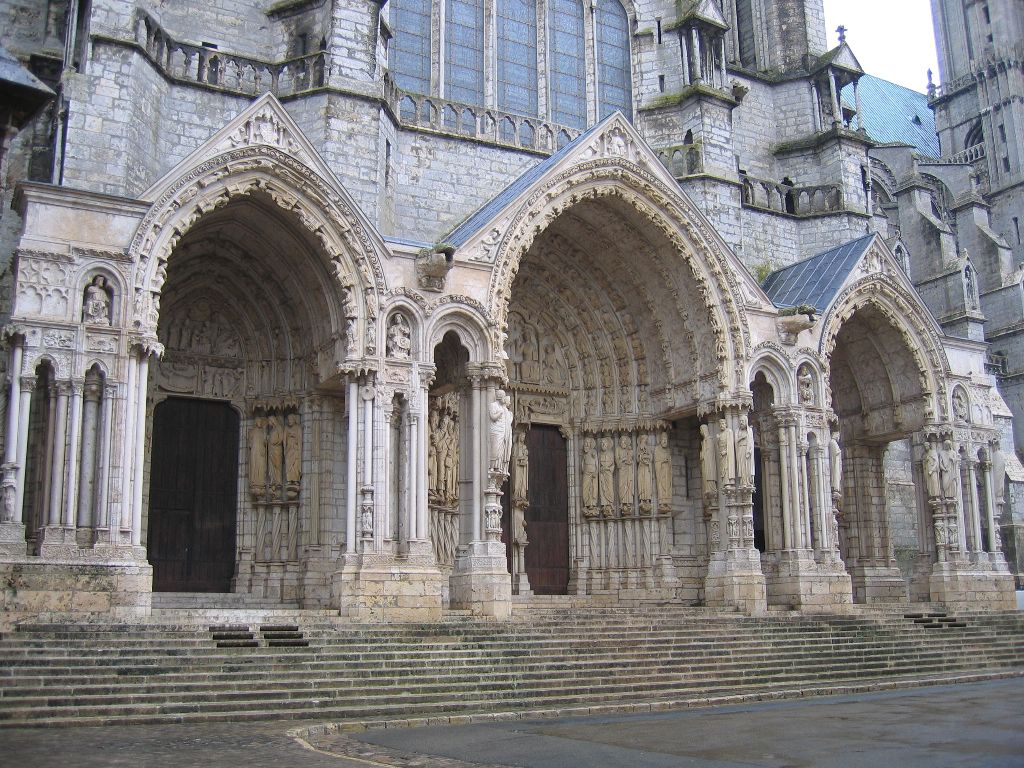
We came home from Guédelon via a night in Chartres, famous for probably the finest gothic cathedral in France. I will remember it for the excellent oysters I had at dinner that night!
Chartres cathedral
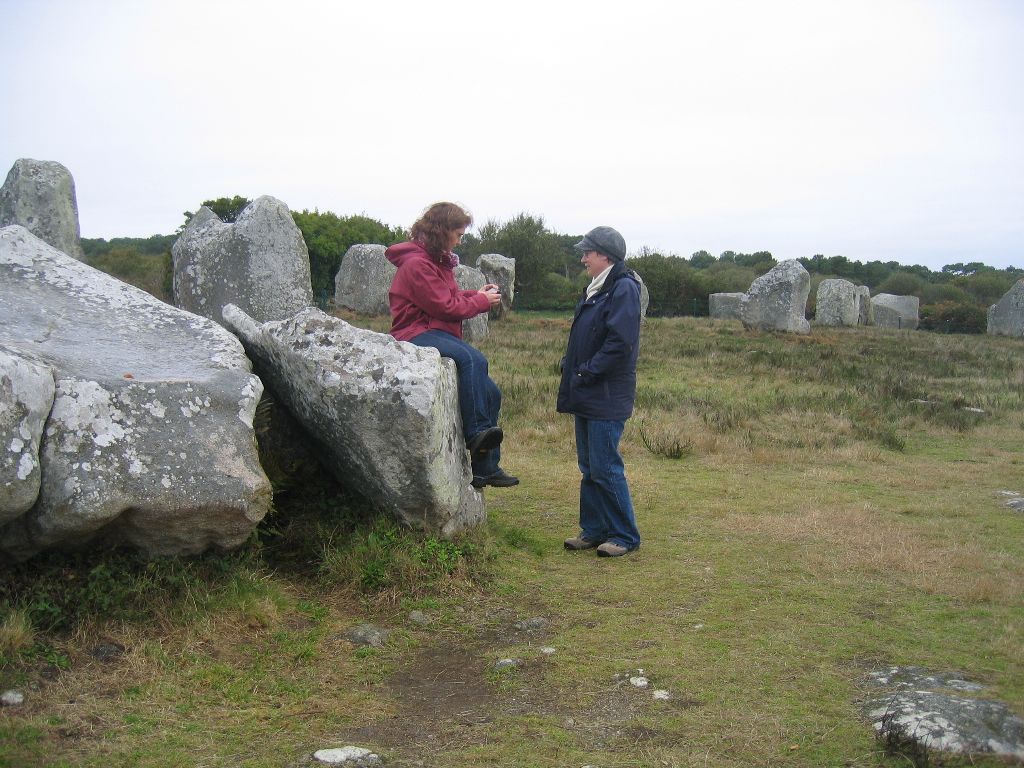
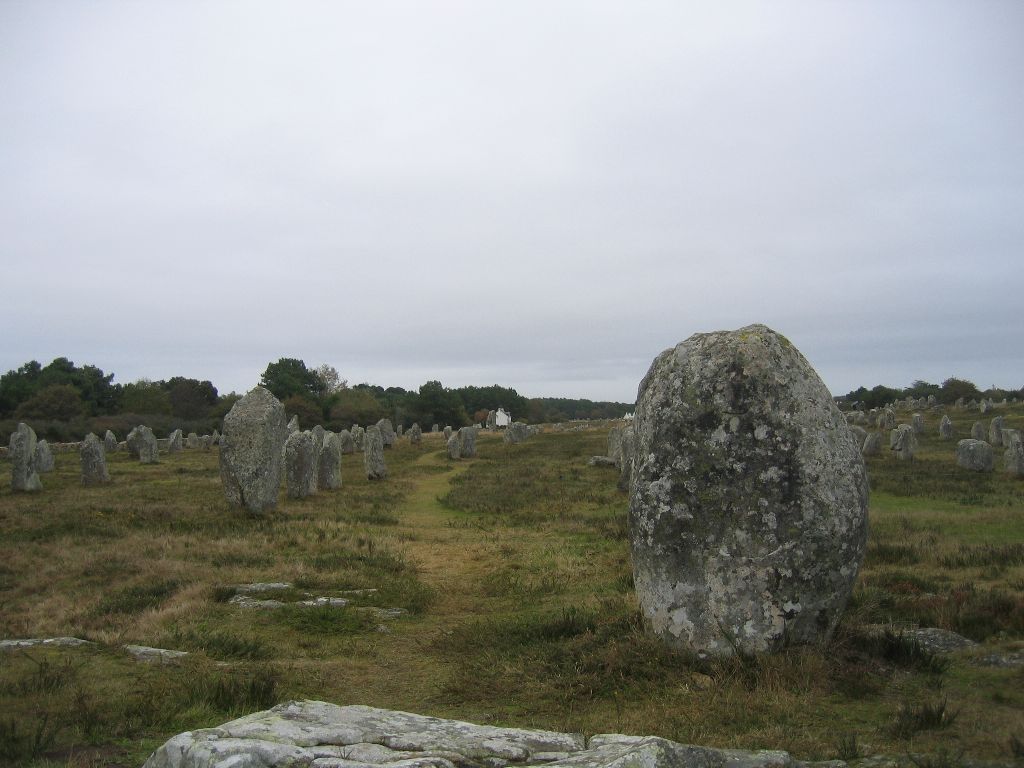
Our friend Kathryn Bethune popped over from Wales, on the train. Two and a half hours from London to Paris on the Eurostar! Why would anyone bother flying? Actually they mostly don’t these days. We had a great time showing her around Brittany, we hired a Fiat from our local supermarket! and drove up to Brest via L’Orient and back via Quimper, which is a stunning medieval town with lots of half timbered houses. We took her to see the standing stones at Carnac, we went to the best restaurant in Josselin, La Table d’O where we had an education in dining up market French-style, we walked in the countryside. It was a fun week.
QuimperKathryn and Pauline, CarnacStanding stones, Carnac
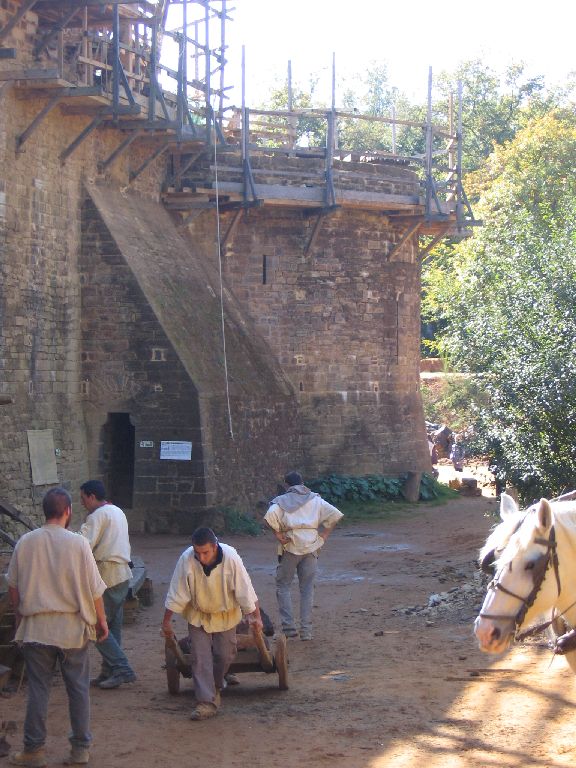
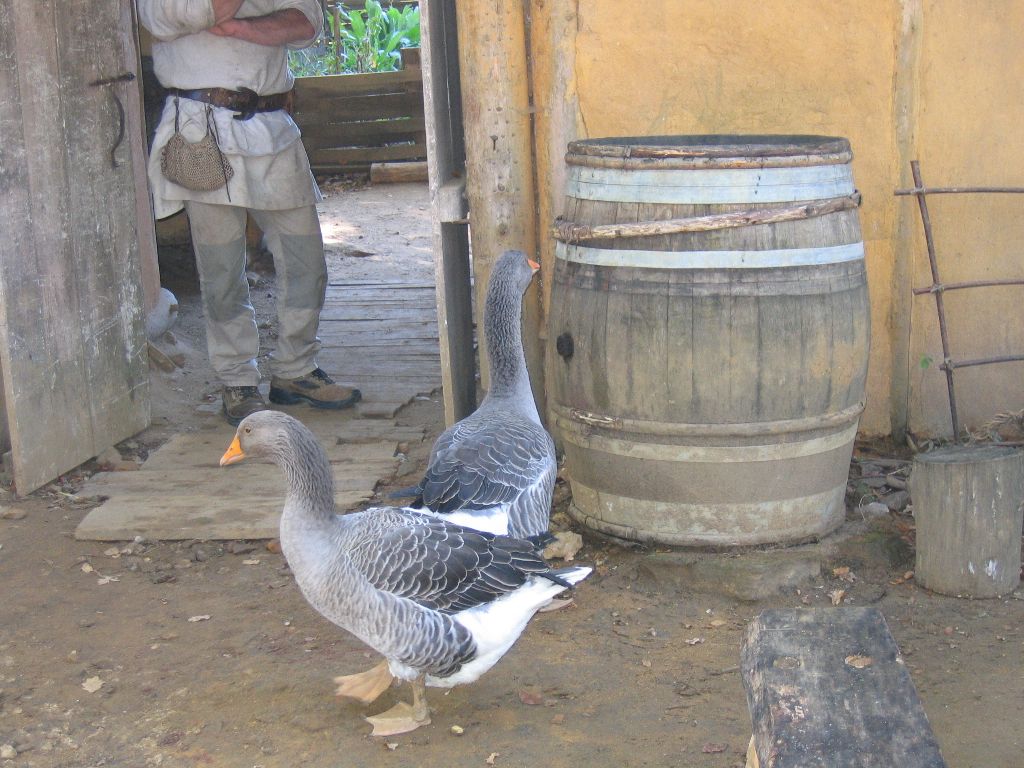
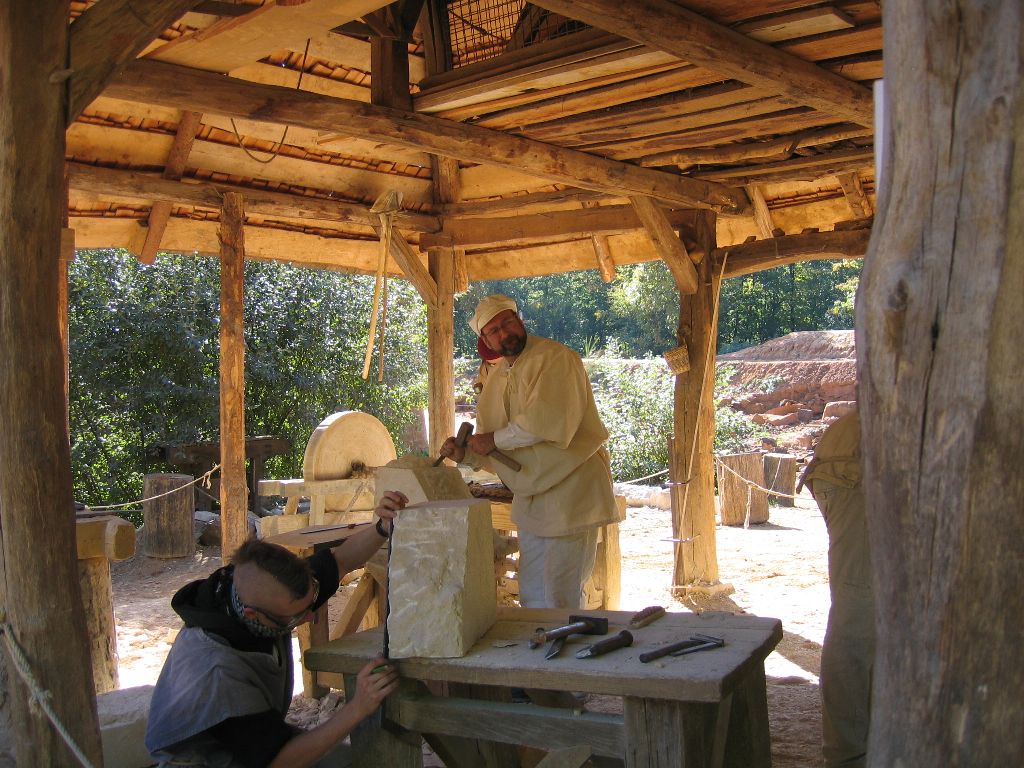
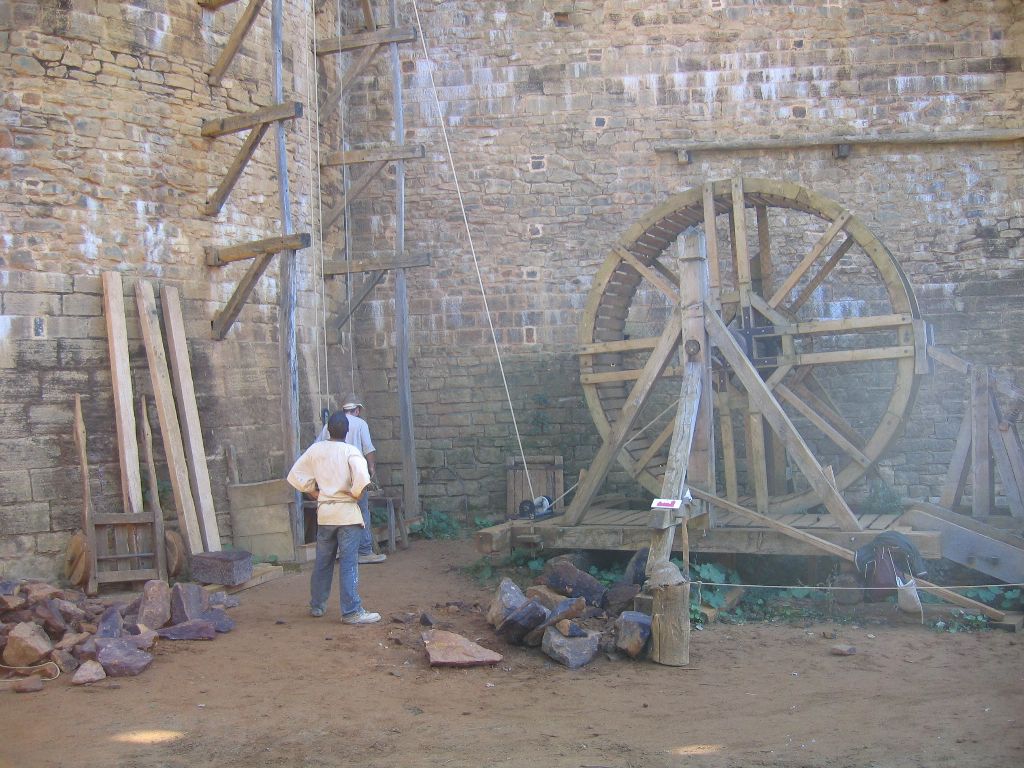
Pauline spotted an item about this castle in the excellent english language Breton newspaper we used to buy occasionally, and we thought it sounded interesting. Basically, a project to build a 13th century castle using only the period construction techniques and materials, you’d have to say it’s a very ambitious, not to say insane idea. The builders all wear period costumes as well. Well worth a look if you’re in the area, here’s a link to their website. A very interesting visit, we particularly liked the person-powered wheel which operates the lift, ingeneous.
We found this place at a bargain rate, I suspect because of the recession. It was only about an hour from Florence, but very much in the country. We stocked up on food from a local villaqe and blobbed out for three days, sitting by the pool. On the last night we had an excellent meal at a local Osteria in a tiny village not far away, next to us was a family with a small child of about 6, it was notable that the child ate exactly the same food as everyone else, and his behaviour was impecable. We noticed this all over Europe, quite a difference from NZ! Anyway, the next day we jumped on the Autostrada and headed for northern Italy and the lakes district. We ended up at a tiny historic village on Lake Orta. There was a medieval town on an island in the lake, and it was immensly charming. Normally a ski resort in winter, and a lake resort in summer, at this time of year there were very few people apart from us and the locals. Here’s a bit of a blurb about the place:
From The Independent: Lake Orta, one of the smallest and least-known of northern Italy’s sub-Alpine lakes, is a place for sublime moments. The German philosopher Friedrich Nietzsche, who visited the lake in May 1882 and believed that the experience changed his life forever, inscribed the date “von Orta an” (“from Orta onwards”) as a preface to his masterpiece Thus Spake Zarathustra. Other 19th-century writers enchanted by its quiet beauty include the French novelist Honoré de Balzac, who wrote rapturously of this “grey pearl in a green jewel-box”, and Robert Browning. His poem “By the Fireside”, which contemplates the beauty of a setting where “Alp meets heaven in snow”, describes the lakeside village of Pella as a luminous “speck of white… in the evening-glow”.
It was one of my favourite parts of Italy, here’s some pictures:
L'Isola di San Giulio, OrtaOrta San Giulio
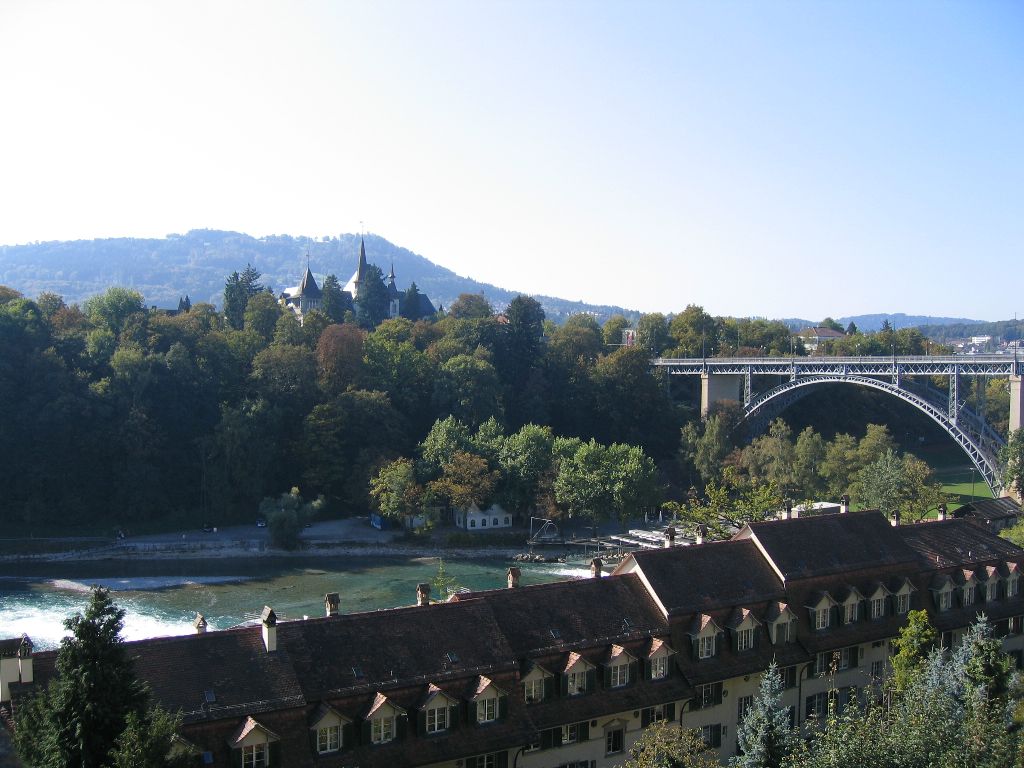
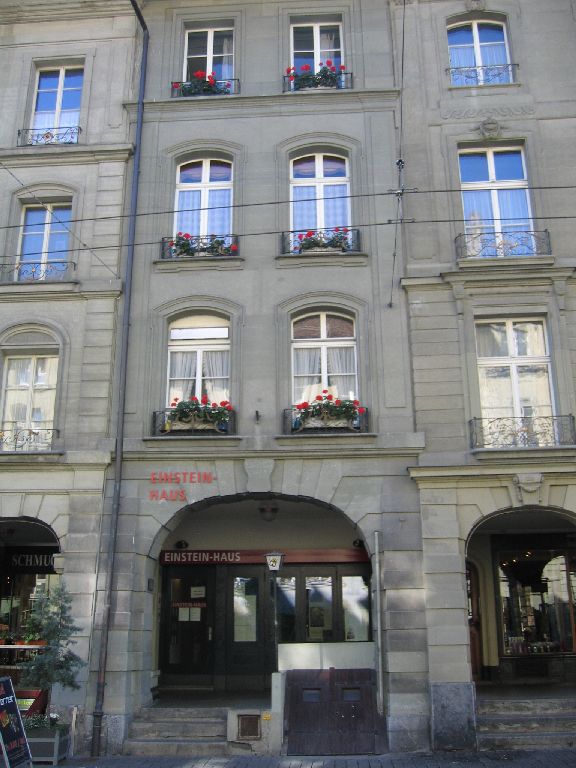
We had a very pleasant stay here, then we were on our way to France via Switzerland. Neither of us had been to the Italian part of Switzerland before, but we were looking forward to entering a somewhat more orderly, less chaotic country. I envisaged a leisurely drive on the fantastic Swiss roads to Bern. Unfortunately, there was a two hour traffic jam as there was so much traffic trying to enter one of the big tunnels, and then there were a heap of road works, so we arrived in Bern fairly late. Still, it was nice to be in Bern, and we went out for a meal, and ended up in a restaurant/bar with an Australian theme. Oddly, the bar manager/waitress did not speak any english, or even australian. Here’s a couple of pictures from Bern:
Bern, SwitzerlandEinstein's house, Bern
Next day, we avoided the motorways and had a lovely drive through the Swiss and French countrysides until we reached a little village in the Burgundy region, and called it a day. Next day we were off to see Guédelon, a fortress castle in Puisaye, being built using solely 13th century techniques as an experiment to see how it was done.
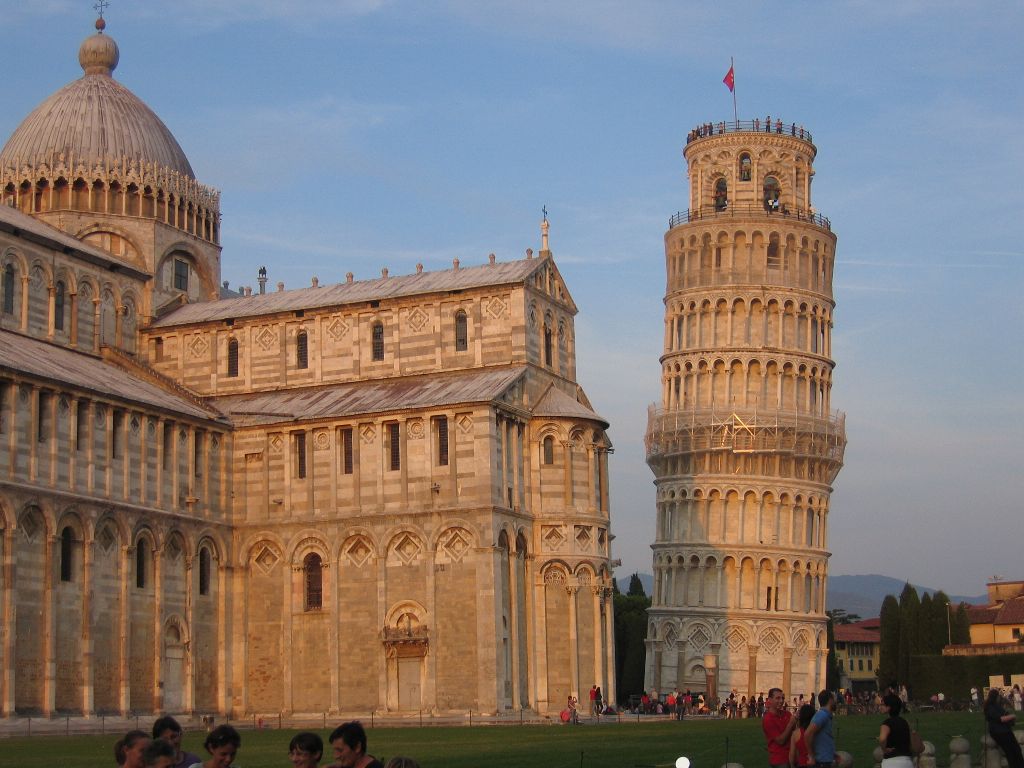
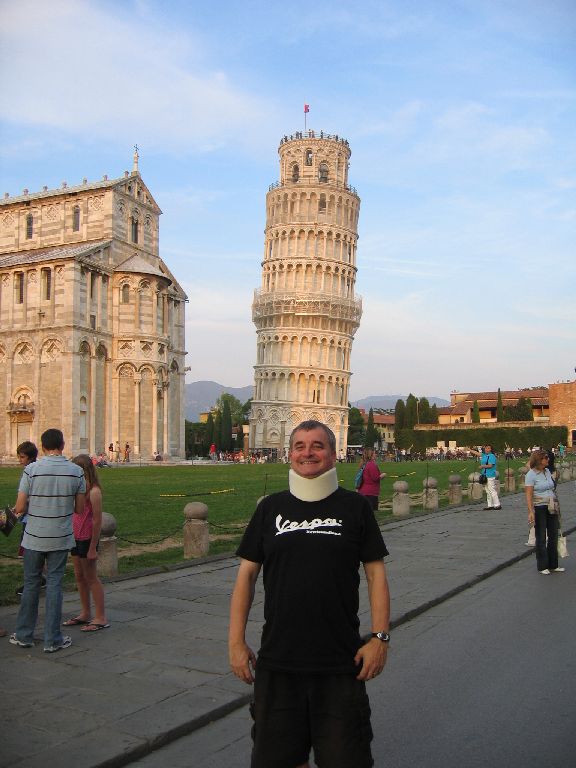
Leaning Towers aplenty!We told a local I'd hurt my neck staring at the tower too long!
After a happy day at the Vespa Museum, we all hopped in the car and drove to James’ hotel in Pisa, which was up a very narrow one way street and I had great difficulty extracting the car after we’d dropped off our luggage. Anyway, we had a rest and then walked to the Piazza del Duomo to look at the famous tower. It really is a lot more impressive in real life than in photos. You cannot easily see in the photos how much it’s leaning. Well worth the look, and indeed all the buildings in the square are beautiful. The tower is a freestanding bell tower for the cathedral, building was commenced in 1173 and it started leaning in 1178, as the foundations were insufficient, and the subsoil is unstable. The cathedral itself looks a bit wobbly in places, but it is very impressive nonetheless. We then proceeded to find a suitable cafe and had a pleasant dinner sitting outside and watching the world go by, often driving Piaggio Apes!
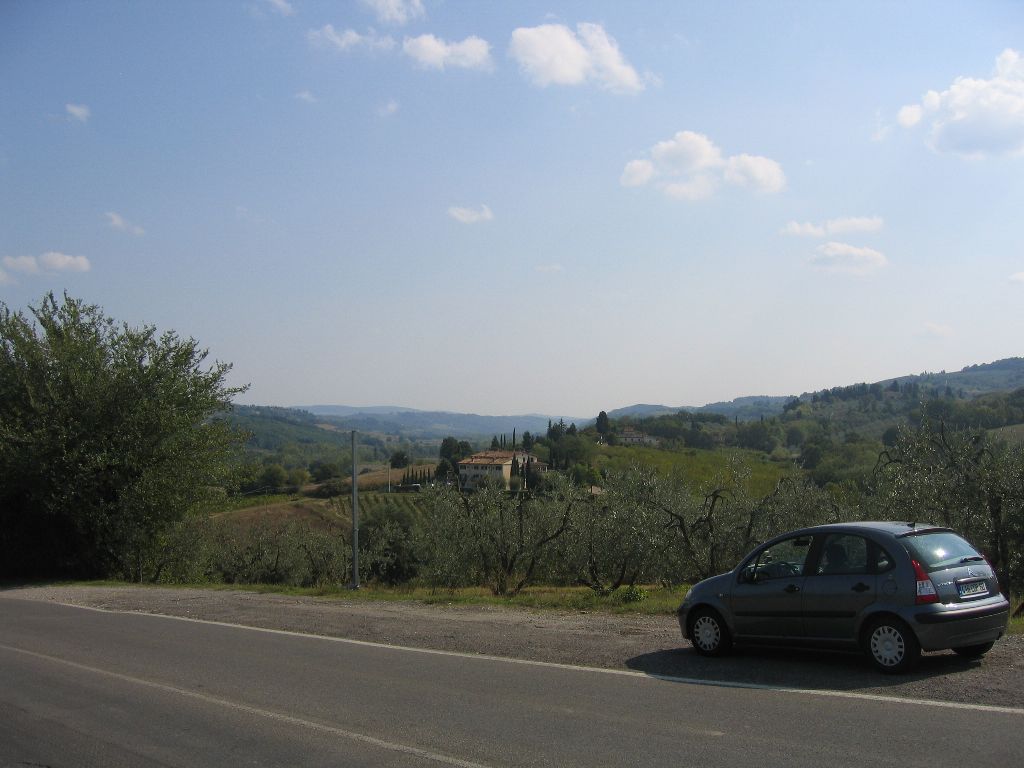
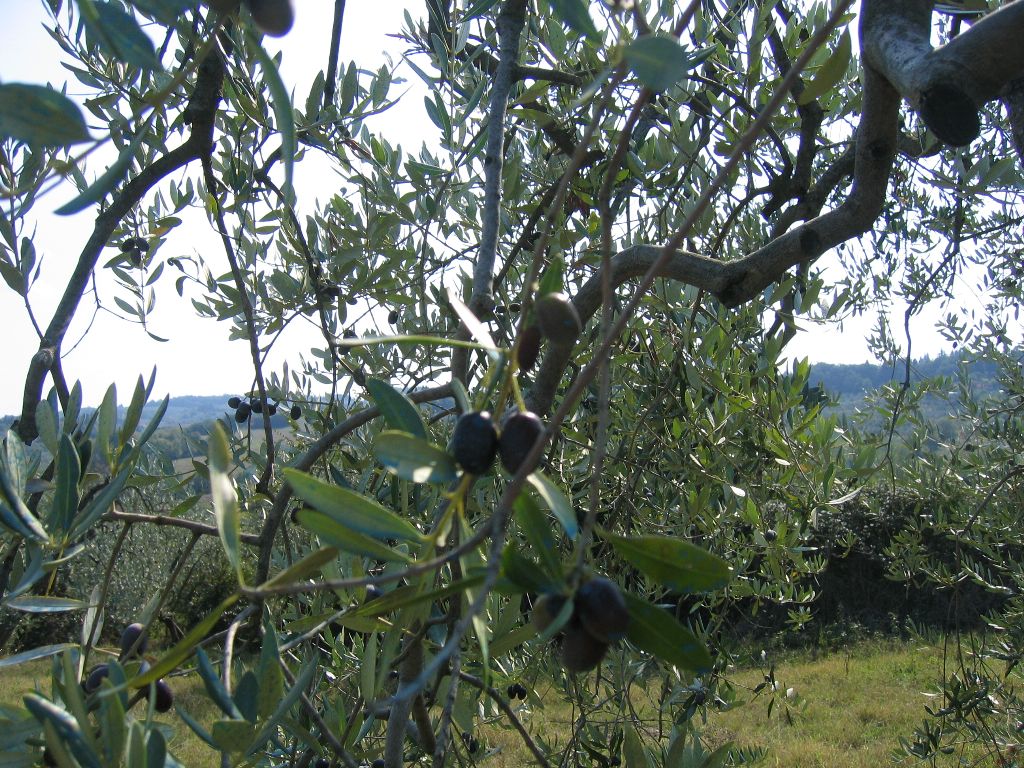
Florence – the next day we decided to drive through the country rather than on the autostrada, as it’s not far from Pisa to Florence and the Tuscan countryside is rather attractive. So we headed up into the hills and found a nice little village for lunch, then on to Florence. We stopped to take some pictures of the olive trees.
The mighty Citroen in the Tuscan countrysideOlives
As you can see, it was a beautiful day. It was James’ idea to avoid the autostrada, he was a great guy to travel with, full of good ideas.
Then we were running out of the foothills and into Florence itself. The driving immediately had my full attention as the traffic was quite chaotic, scooters passing us from left and right, five lane roundabouts, colourful Italian driving everywhere, and we had some difficulty finding our little bed and breakfast place. However, once we’d settled in and found our bearings, we walked into the old town.
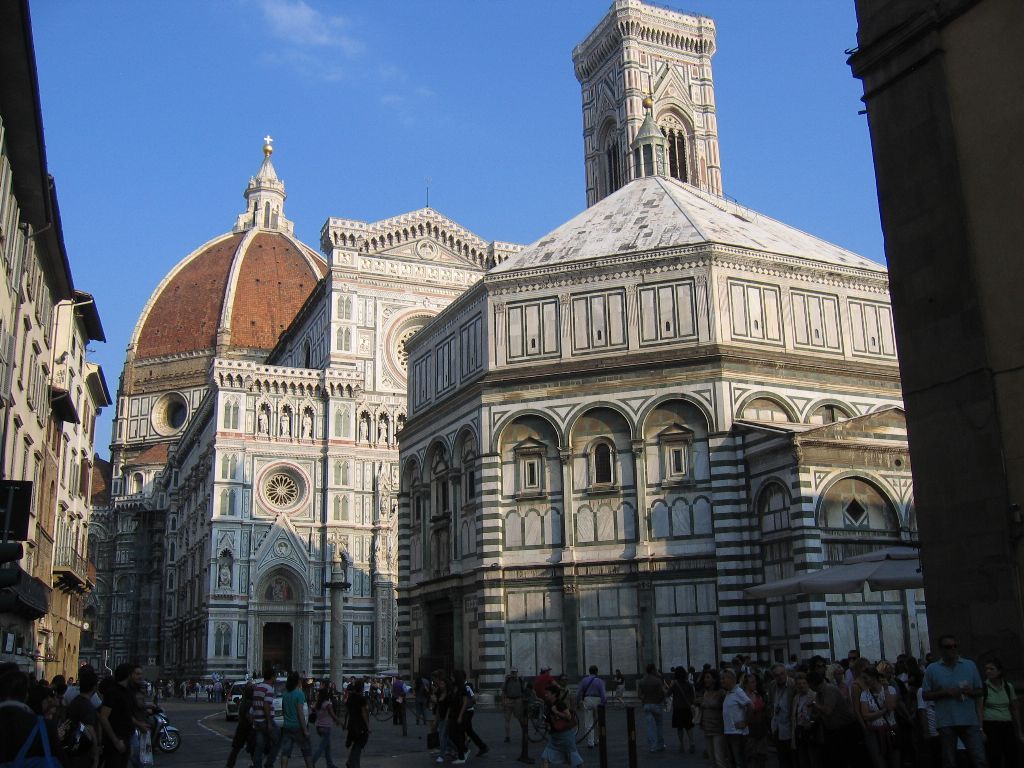
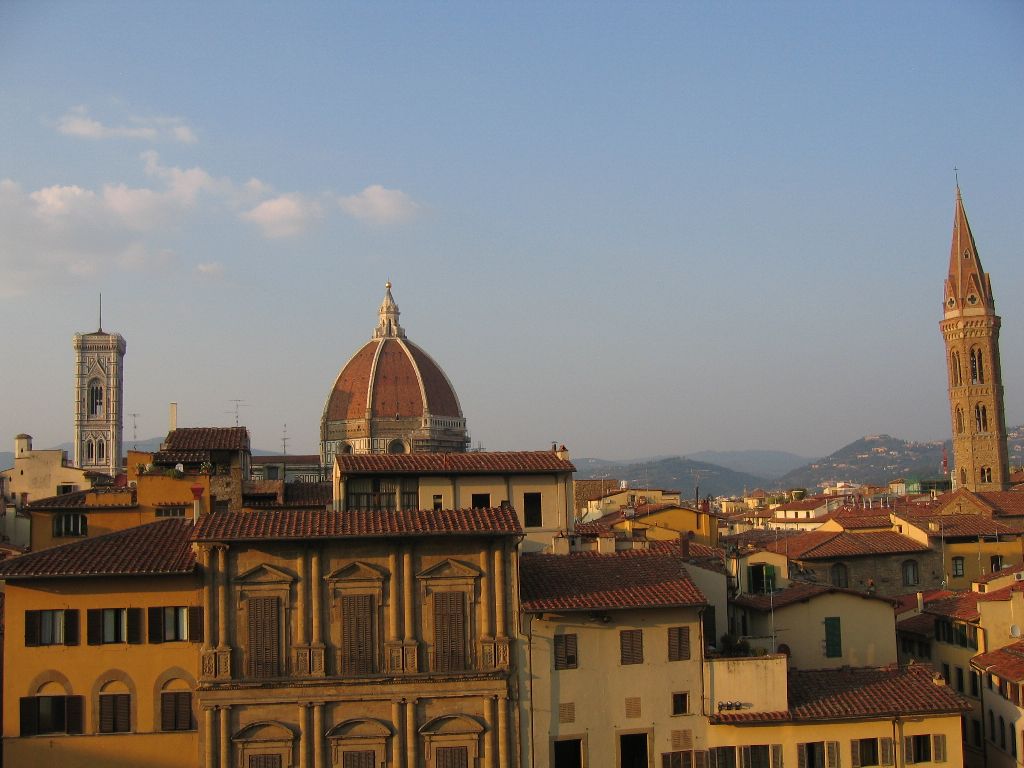
Florence Duomo
The Cathedral is enormous, very hard to take pictures of as it won’t all fit. There were a lot of tourists and it was very crowded and busy. There are many squares filled with ancient churches, magnificent mansions belonging to the Medici family, the city is absolutely stuffed full of art galleries and museums. However, after a while what took James’ fancy was a wine festival that we bumped into, so we paid our money and got a ticket each, and queued up at the tents set up around the city for wine tasting. A couple of photos:
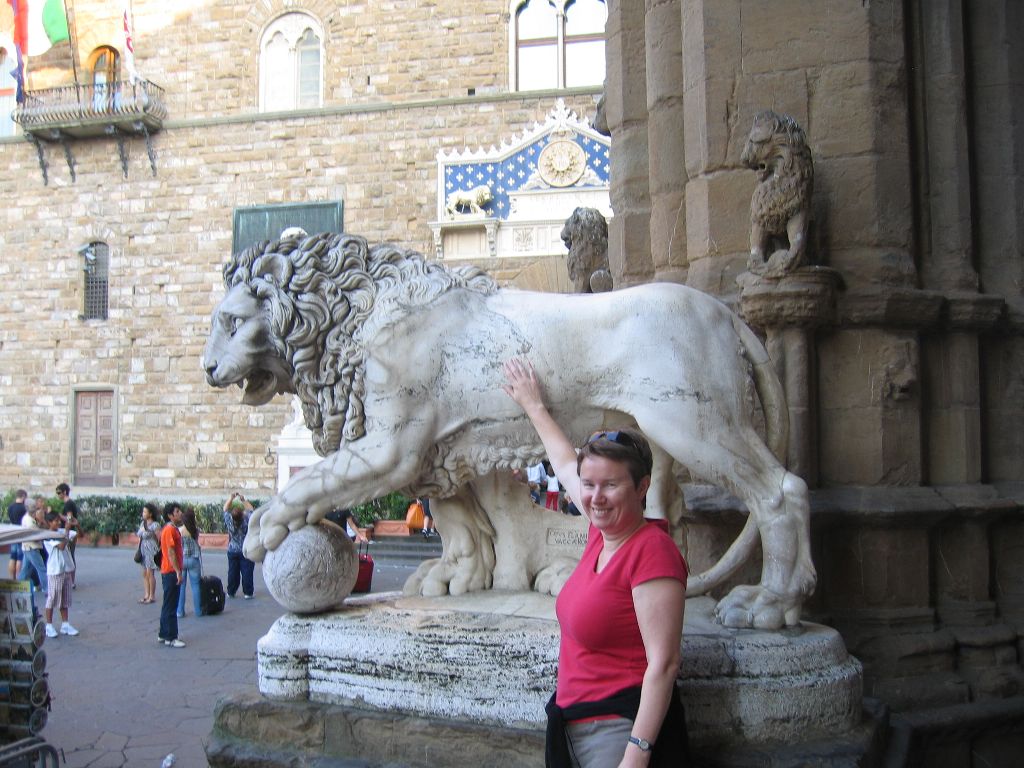
Pauline with LionSquare with statues
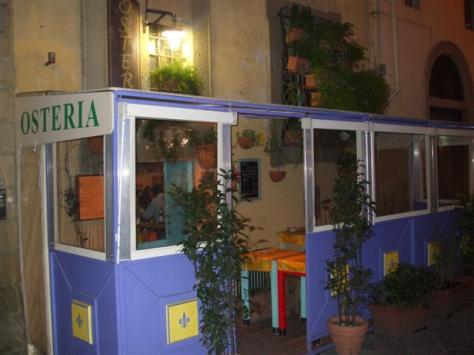
There’s a famous bridge across the river with shops on it, so we had a look at that, then after a rest back at the B&B we went looking for our dinner. And here we had a real piece of luck. Hidden away up a side street (Via delle Belle Donne) we found the Osteria Belle Donne, a wonderfully authentic rather rustic place run by two outrageously flamboyant, friendly guys. (An Osteria traditionally was the least formal type of Italian restaurant, James recommended we should go to one and we are very glad that we did.) Anyway, from the outside it looks rather basic, once inside it has a single room, very artistically decorated with vegetables, ancient postcards, movie posters, art, empty magnums of wine etc. The first night we elected to sit outside on the porch.
Osteria Belle Donne, Florence
The food was fantastic, things like Osso Bucco (braised veal shanks), arugula salad with pecorino and artichokes, eggplant Parmesan and roasted chicken with peppers, stuffed rabbit, but I had Porchettino al’Olio al Fromaggio del Grutto which is suckling pig with artichokes and mushrooms. Yum yum!
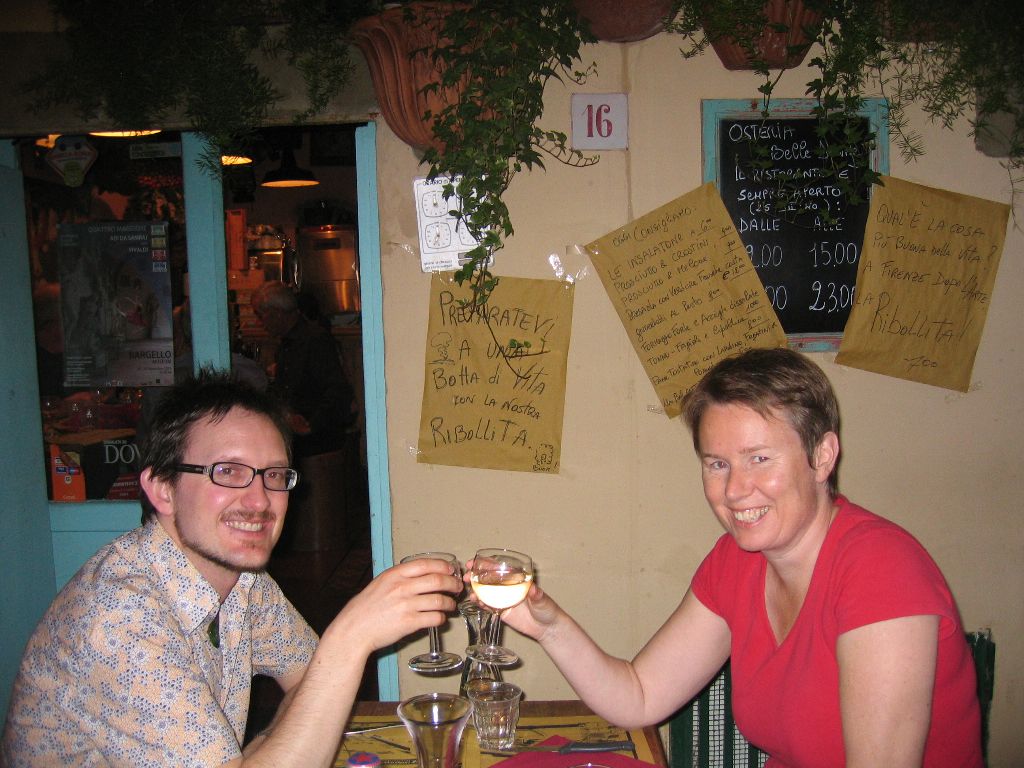
Osso BuccoJames and Pauline, Osteria Belle Donne
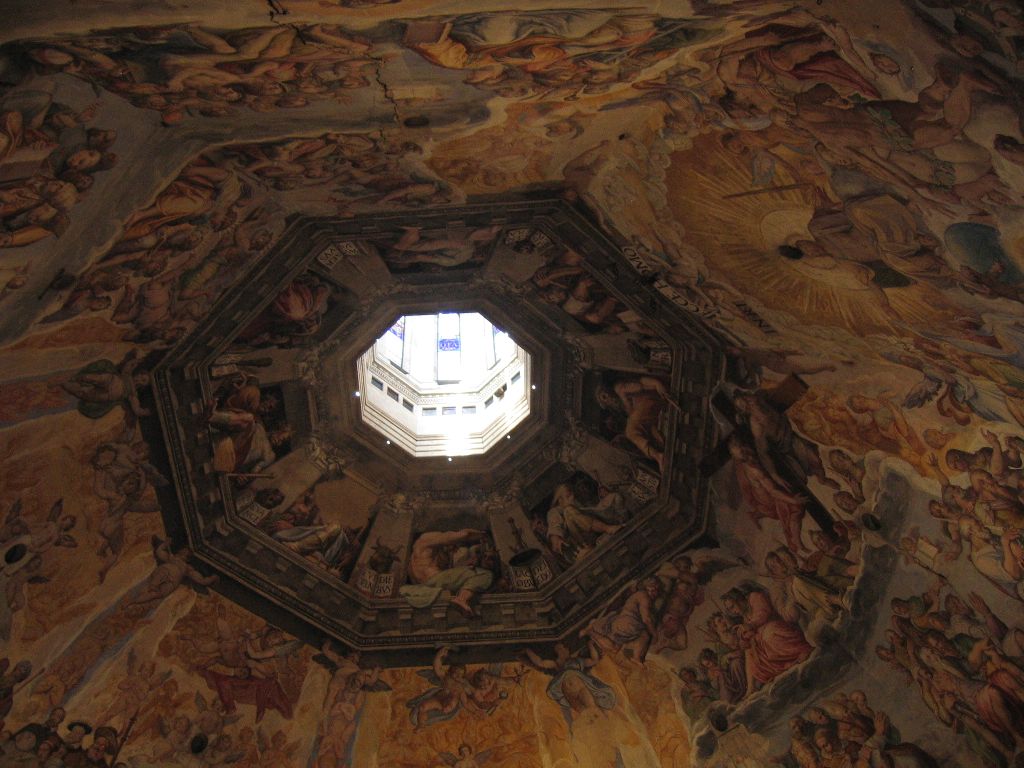
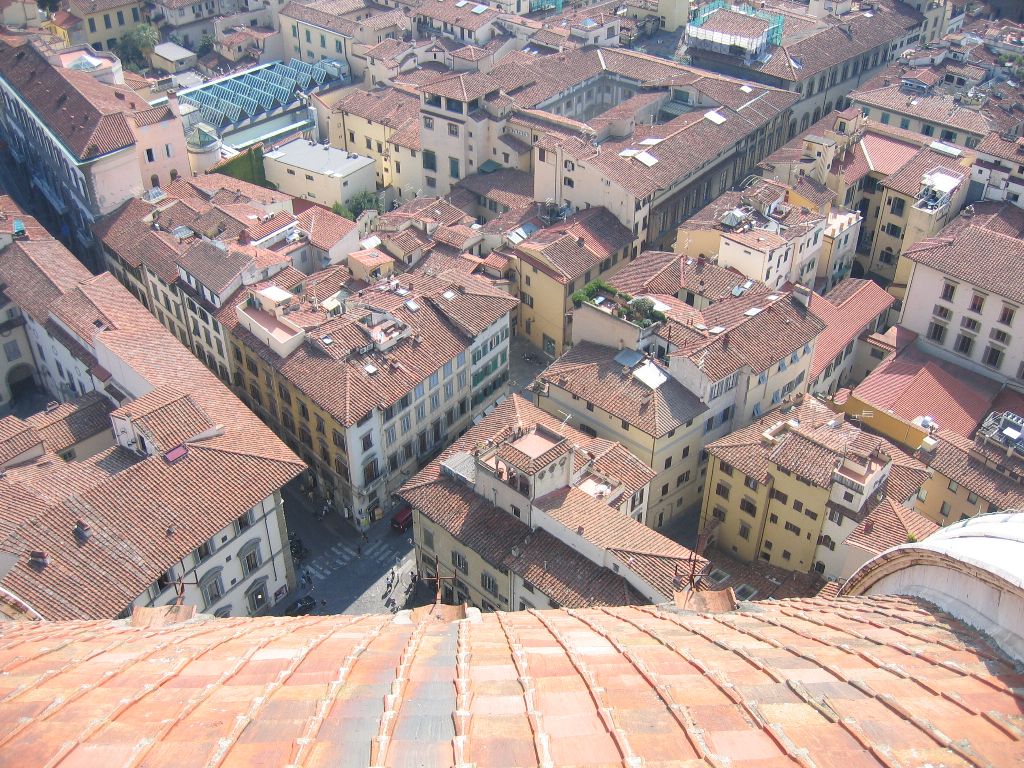
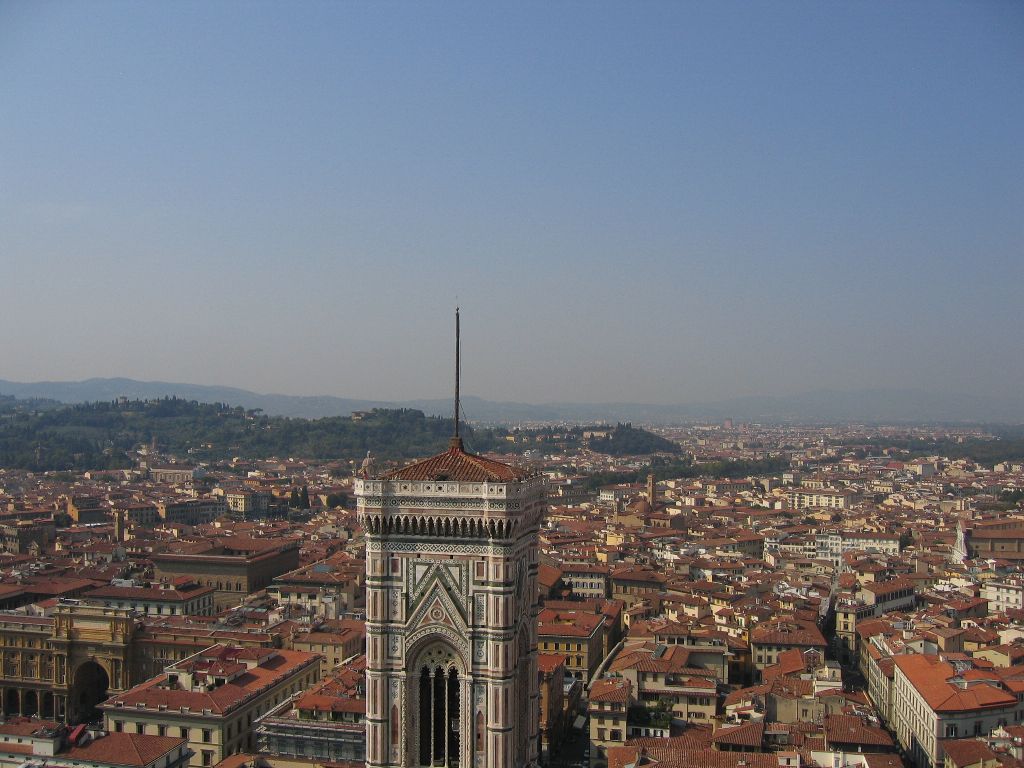
The next day, James had to fly back to NZ, but first we all climbed up the inside of the big brown dome you can see in my picture of the Duomo, as there’s a fabulous view from the top. Quite a climb up very narrow stone stairs, but great views of the inside of the dome, and then you get to the cupola and step outside – amazing! A little bit nerve wracking too.
The inside of the domeLooking down from the topLooking out over the city
Pauline and I looked around the city a bit more that day, we got a bit burned out because you couldn’t turn around without seeing some 11th century church or priceless artifact etc. In the evening, we went back to the Osteria for a rapturous welcome from the owners, and another excellent meal washed down with some Chianti. The next morning we visited the Institute and Museum of the history of Science, which unfortunately was mostly closed for renovations, however we did get to see several of Galileo’s telescopes, also one of his fingers! And there were some scientific instruments on display, some astrolabes, plenty of telescopes, however I would like to return there some time. And then it was time to head out of Florence, as we wanted a break from large cities, and off to our romantic Tuscan Villa.