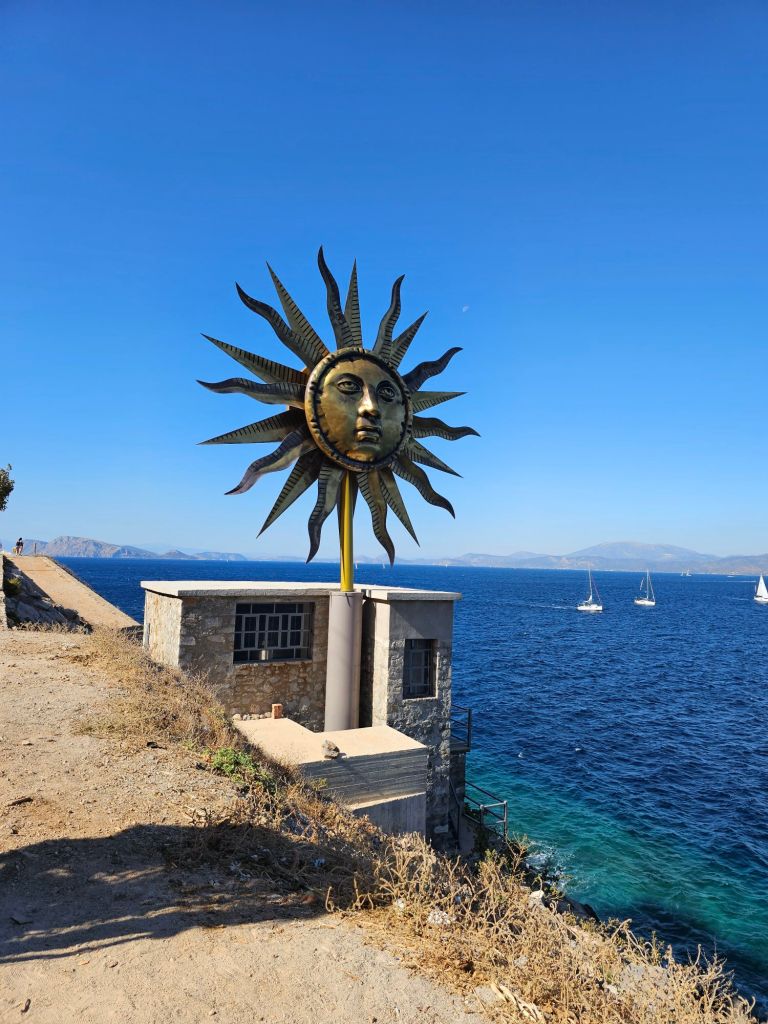

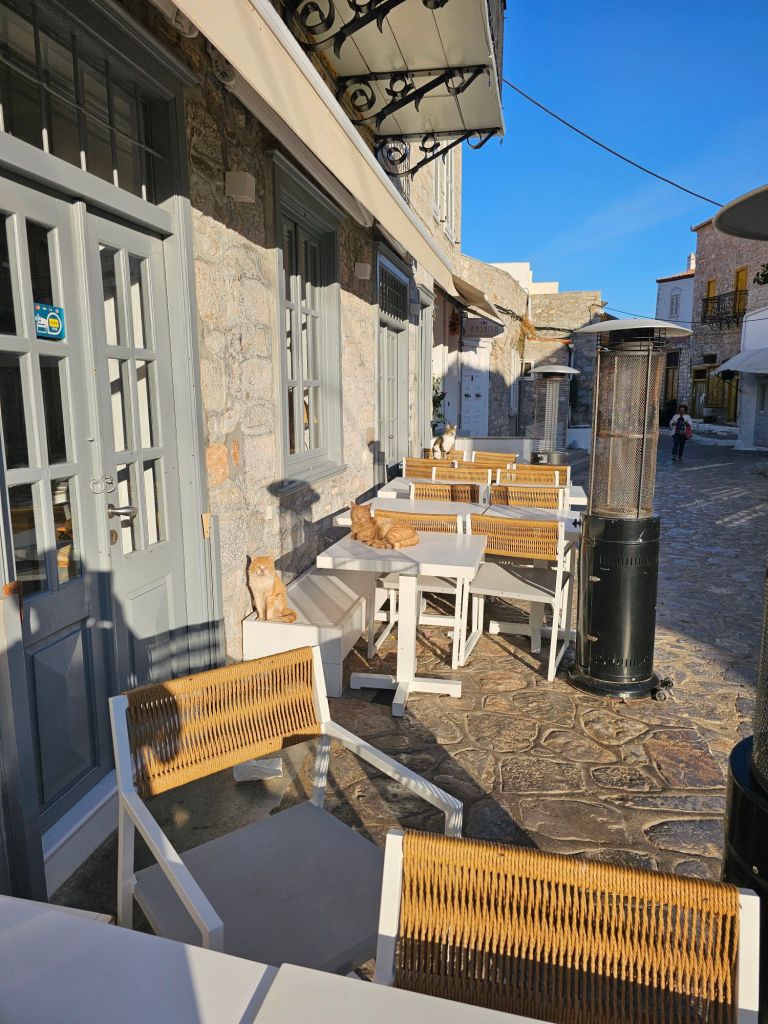

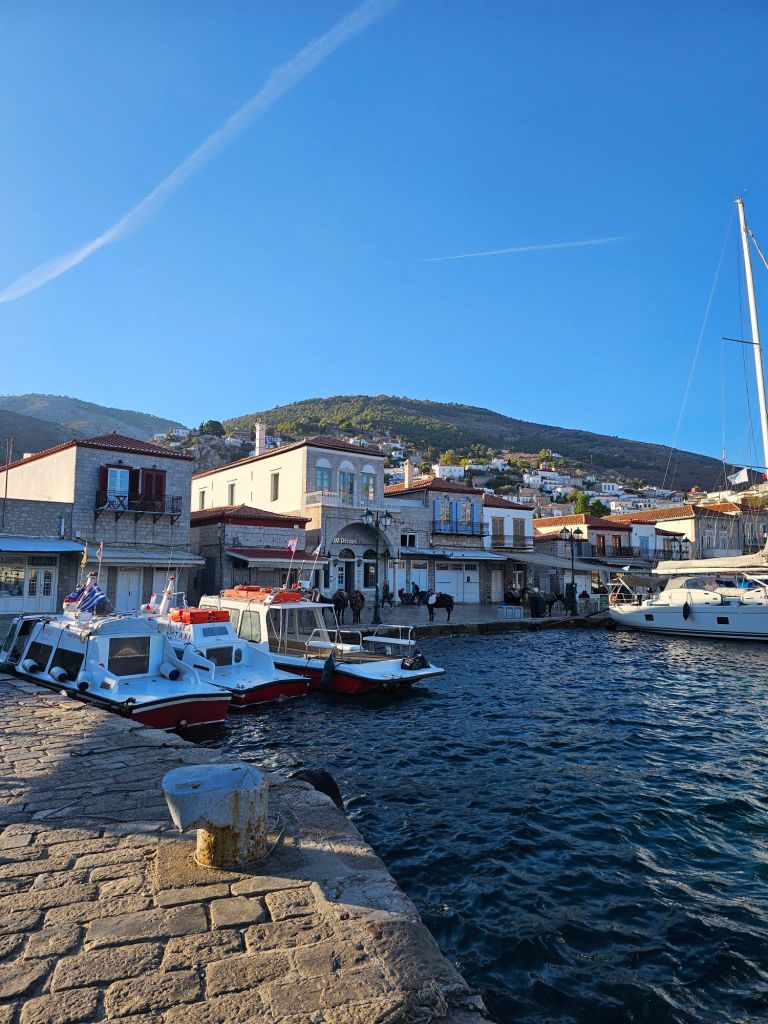
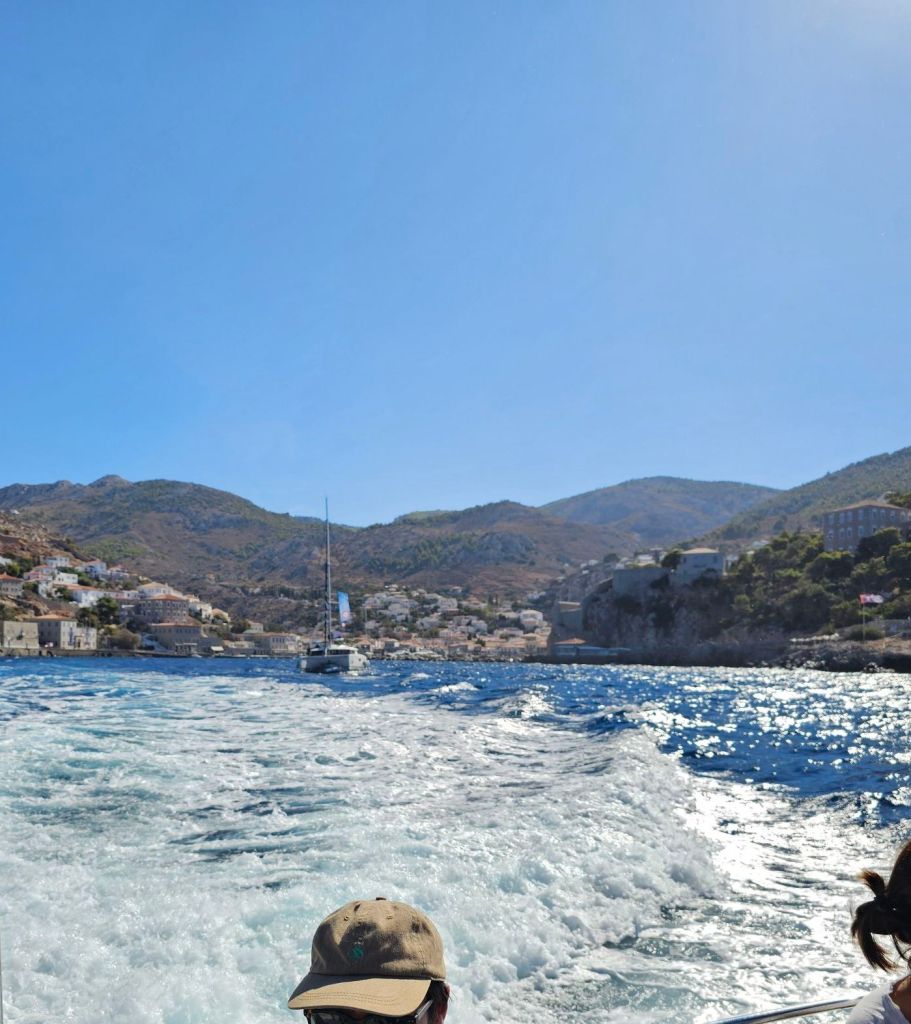
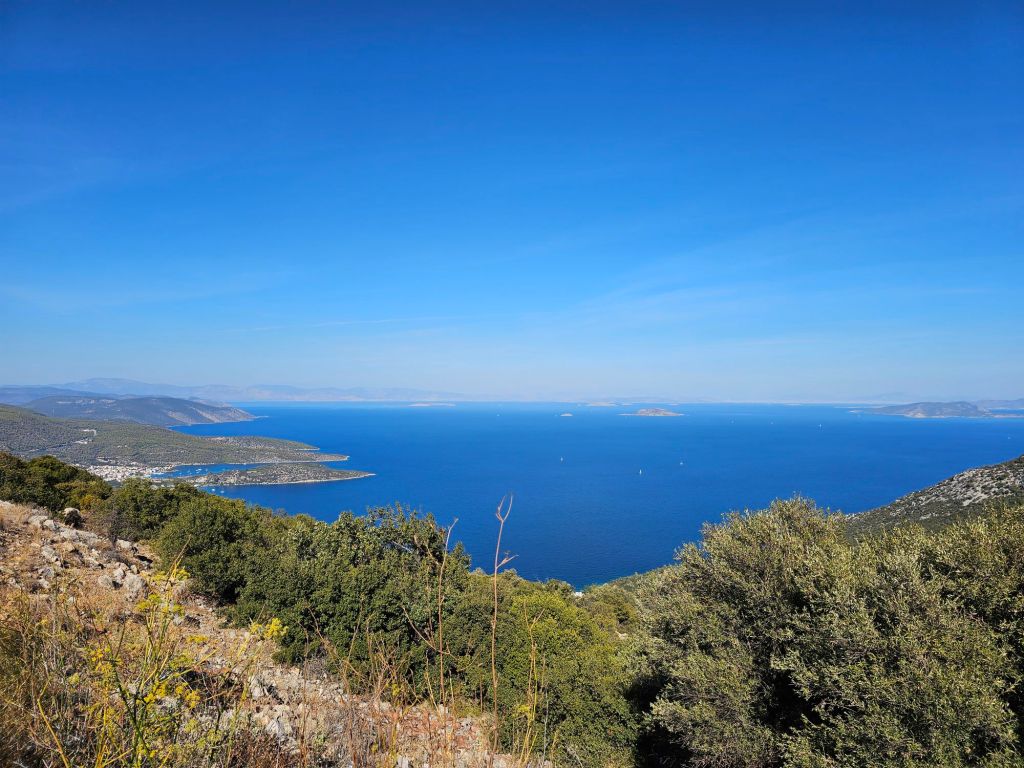
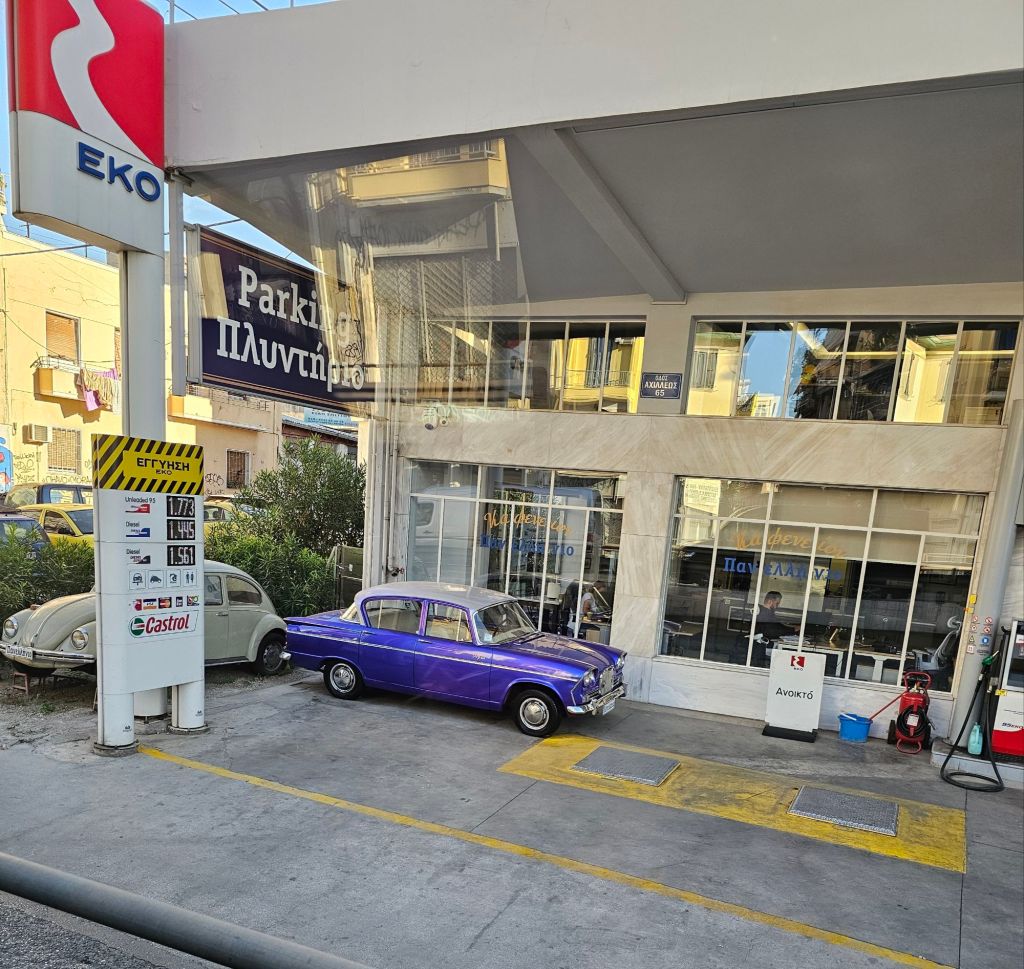
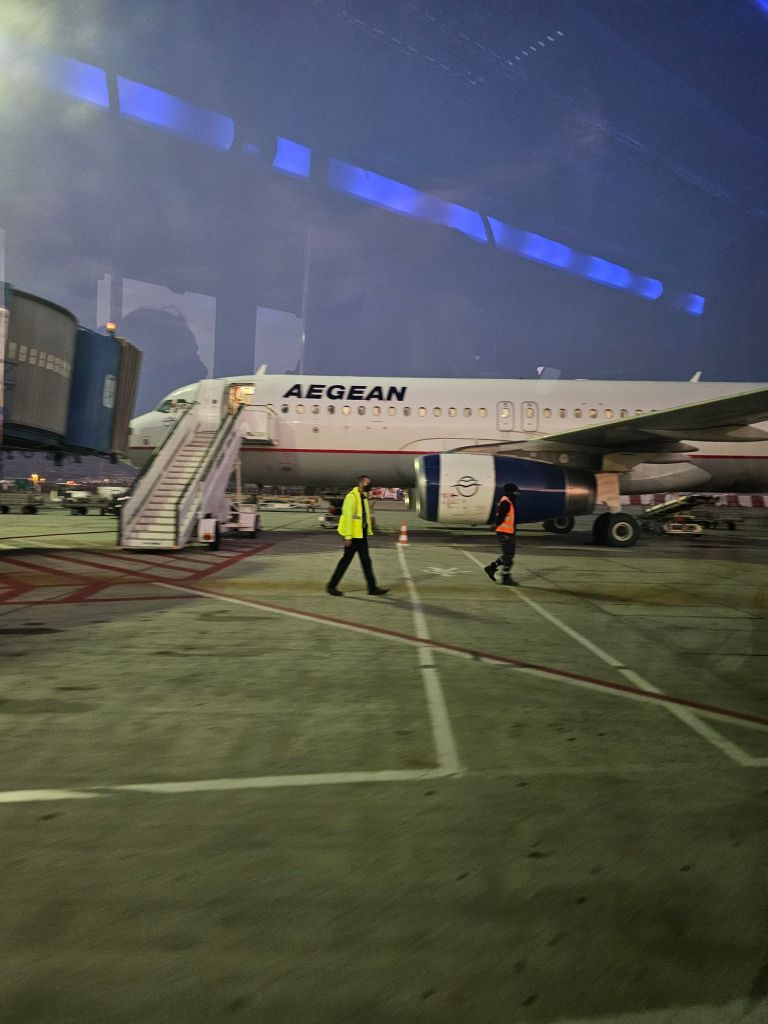
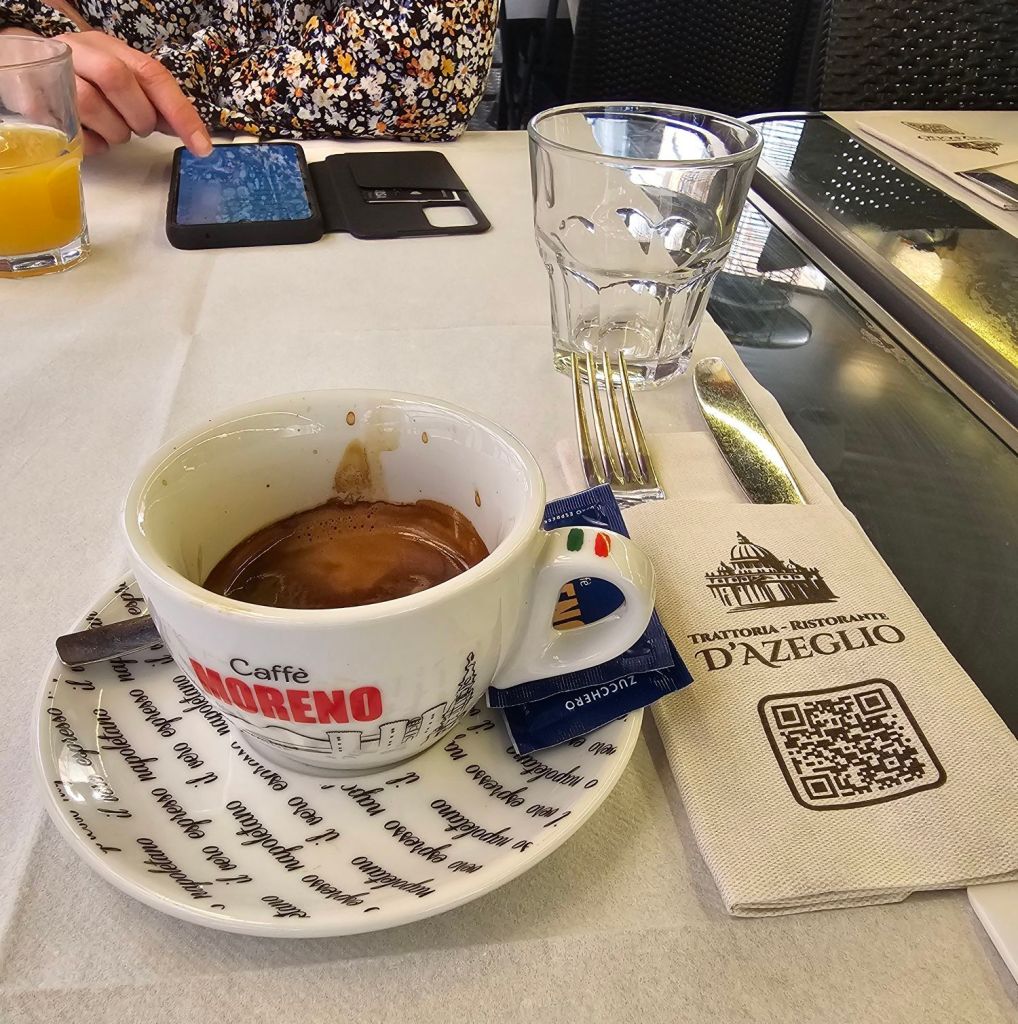

Monday we got up early and took the metro to the port of Pireaus and after some trouble finding the magic ferries terminal got the 10am ferry to the island of Hydra.


Leonard Cohen lived on Hydra for seven years in the ’60s. We are both big fans although perhaps Pauline more than me.
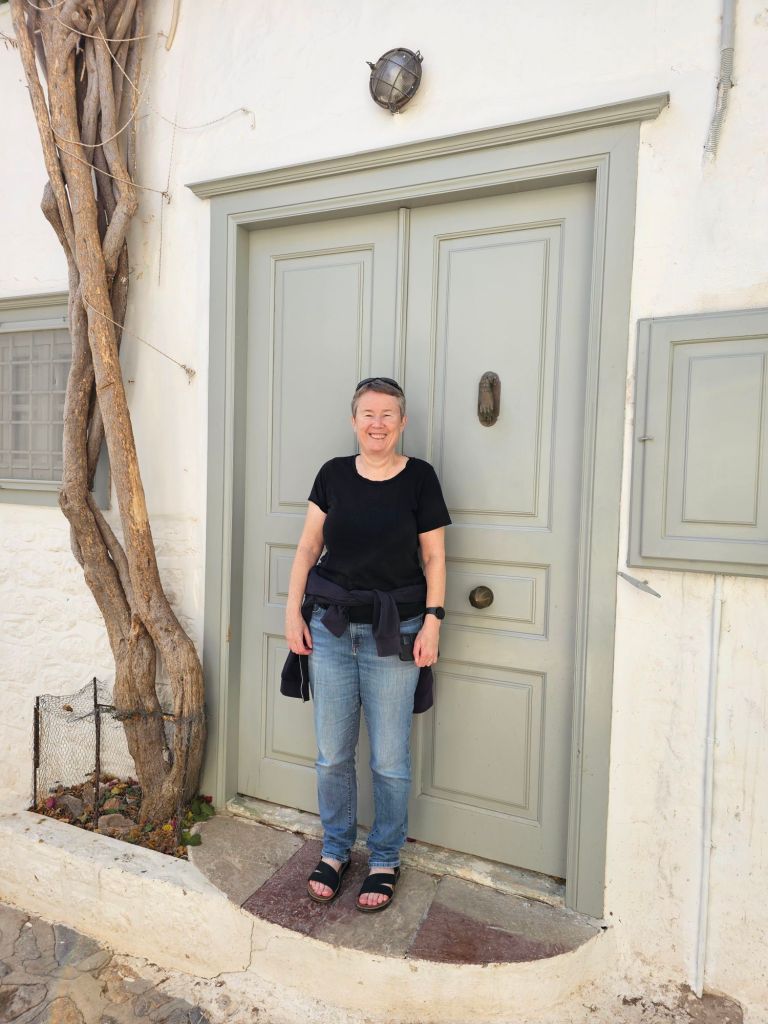
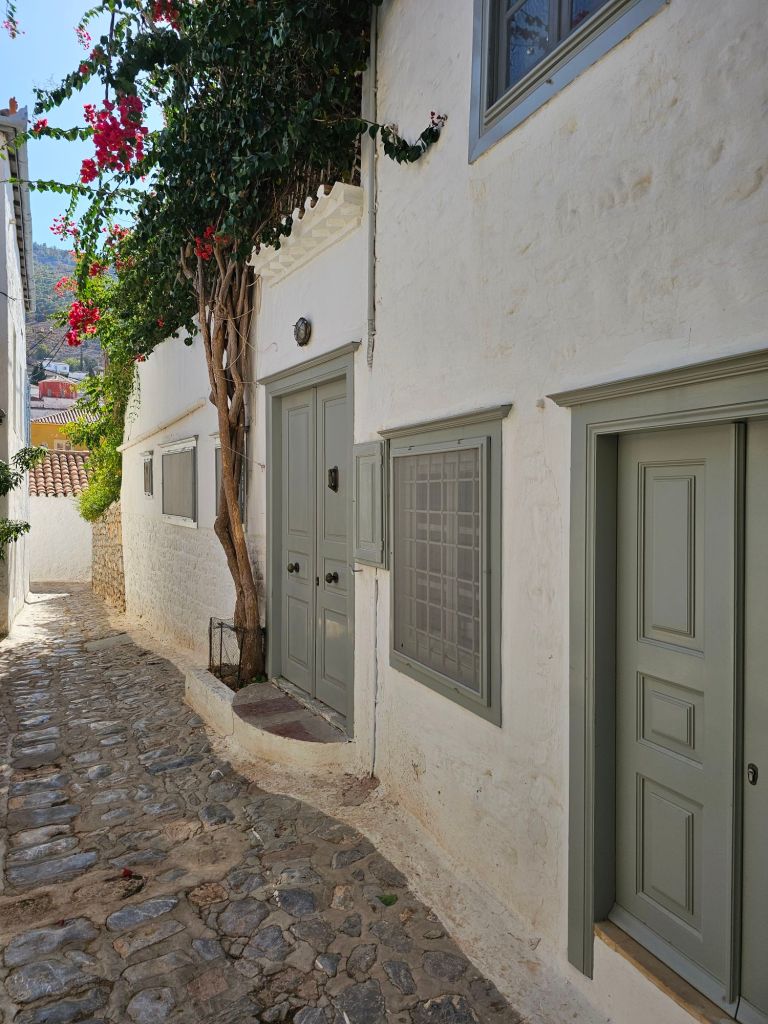
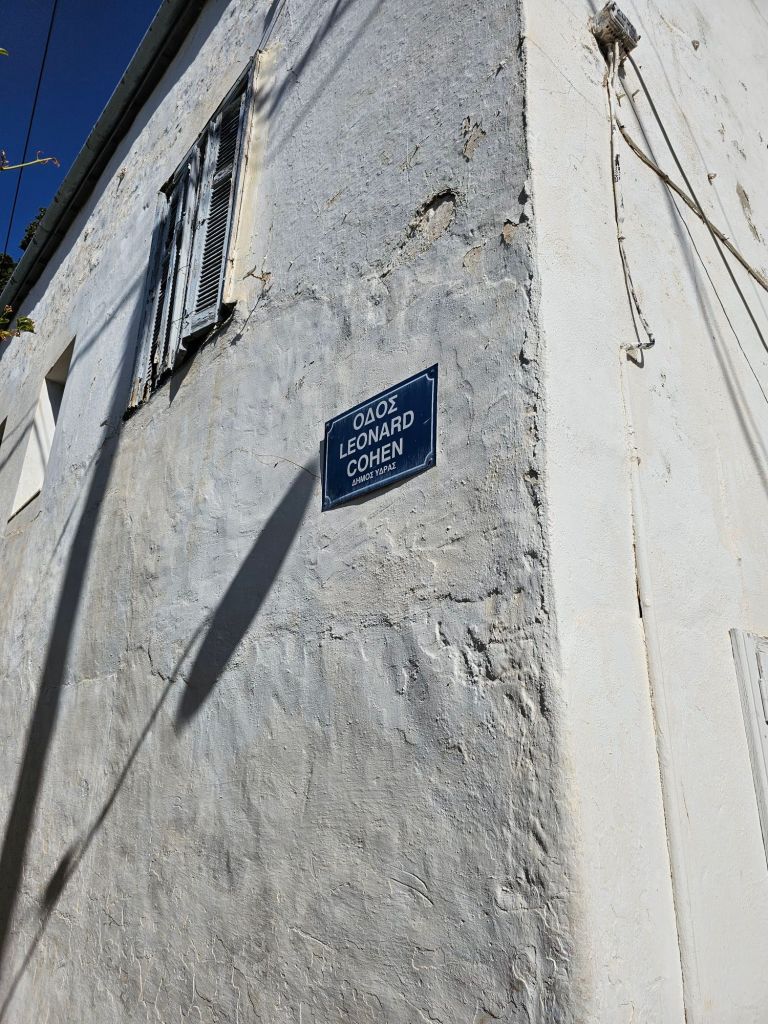
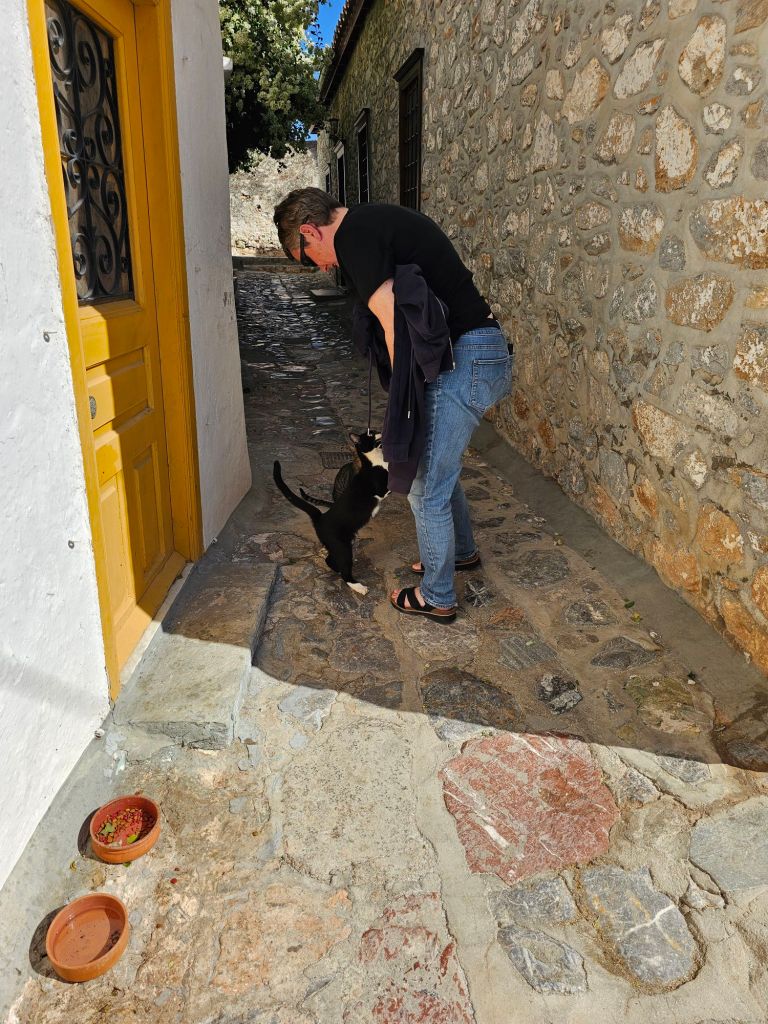

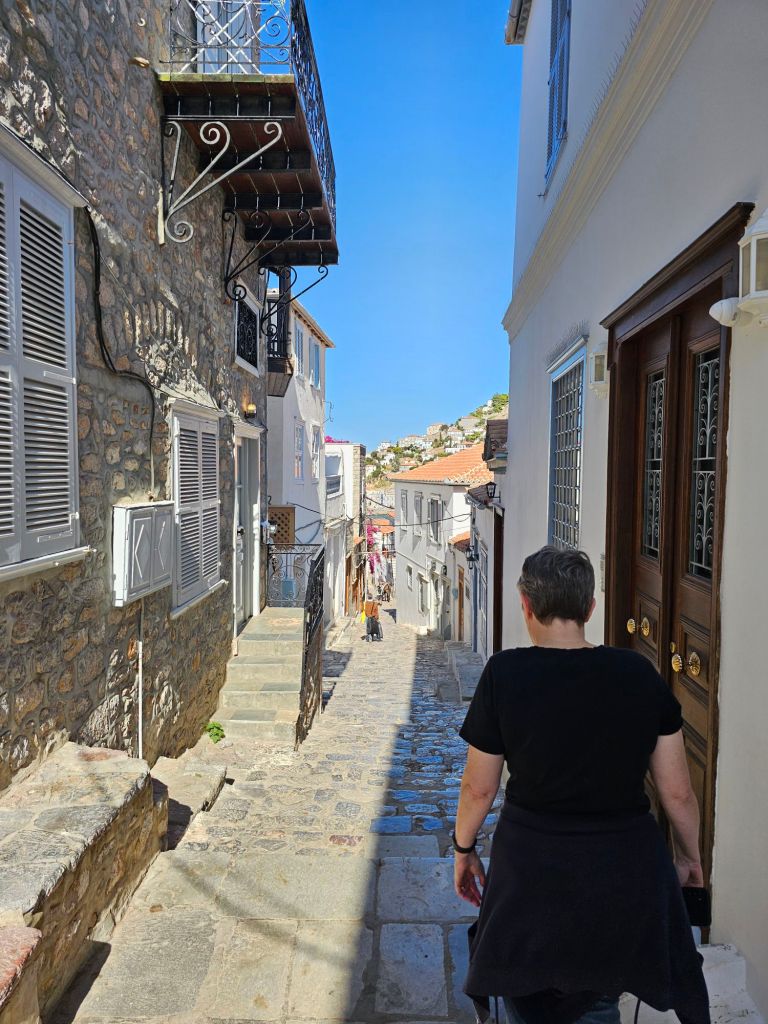
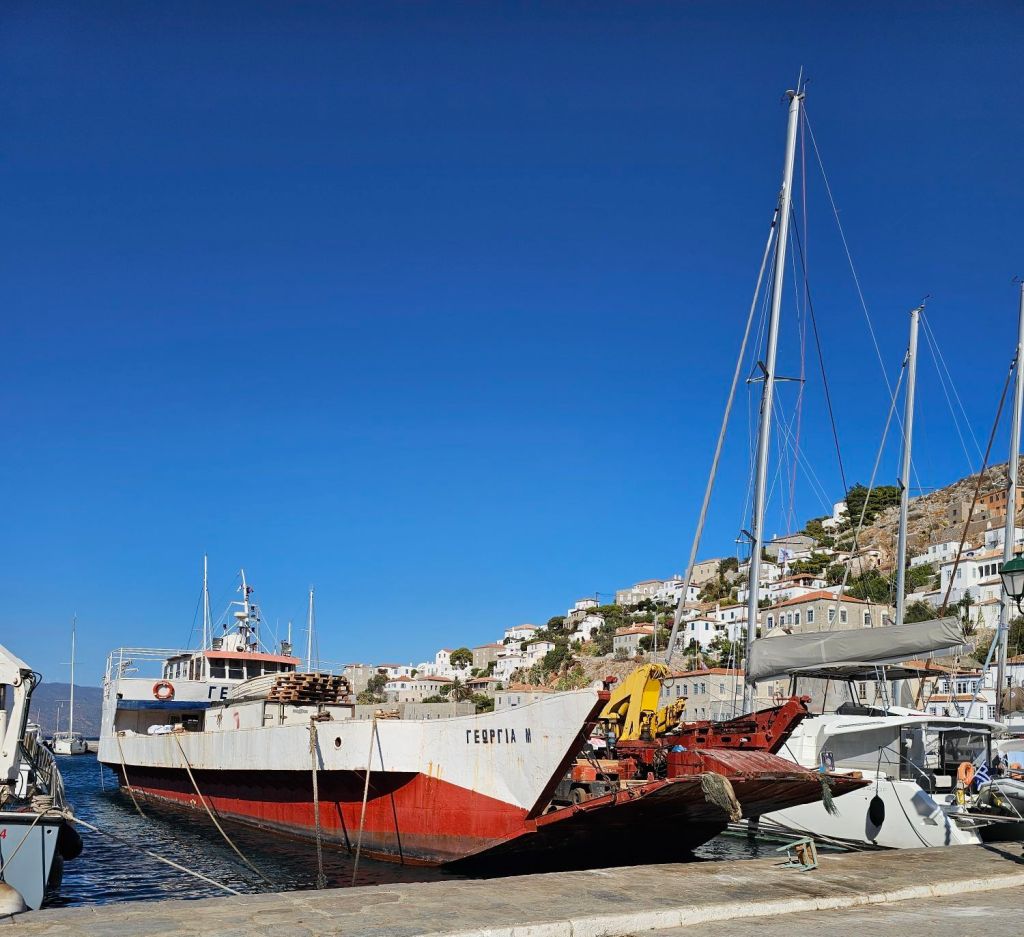
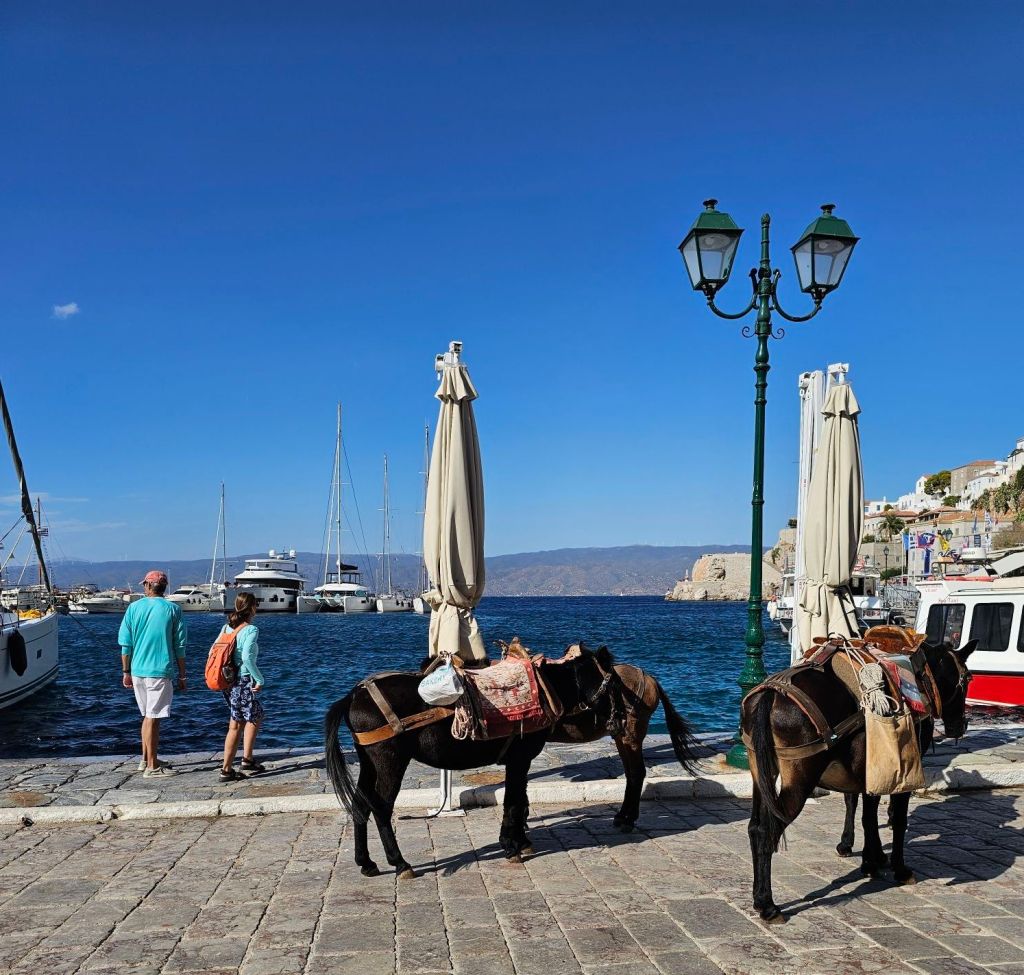
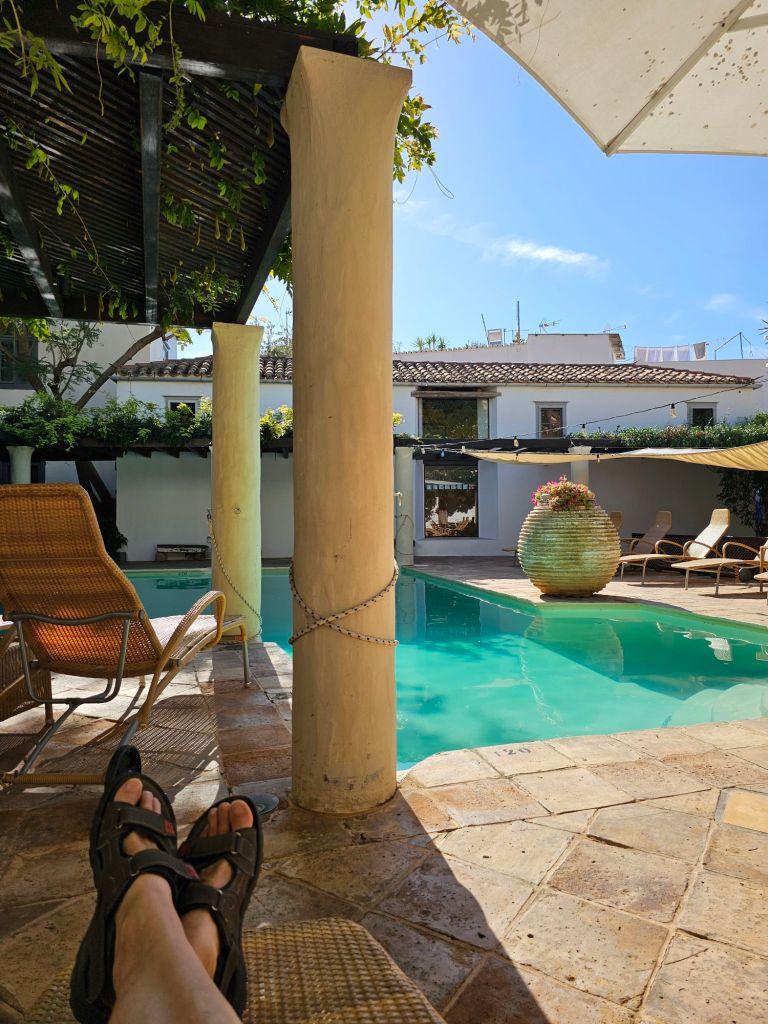
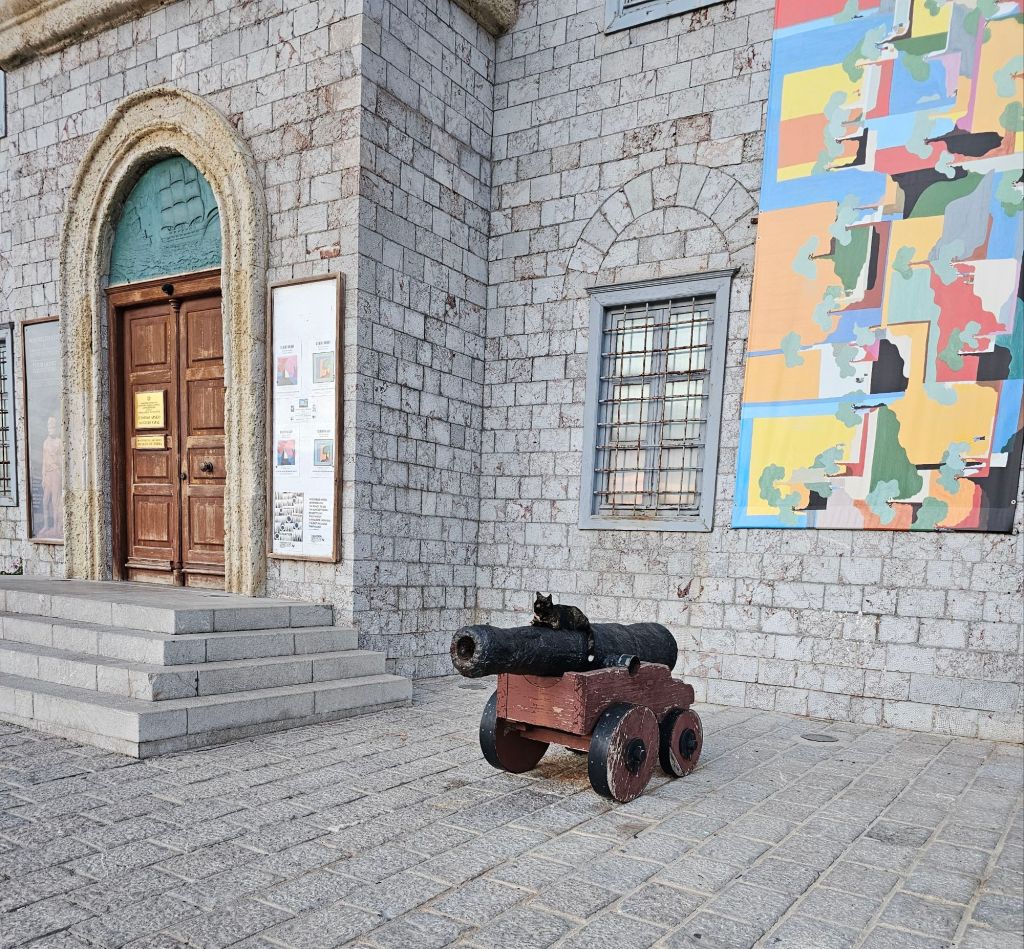


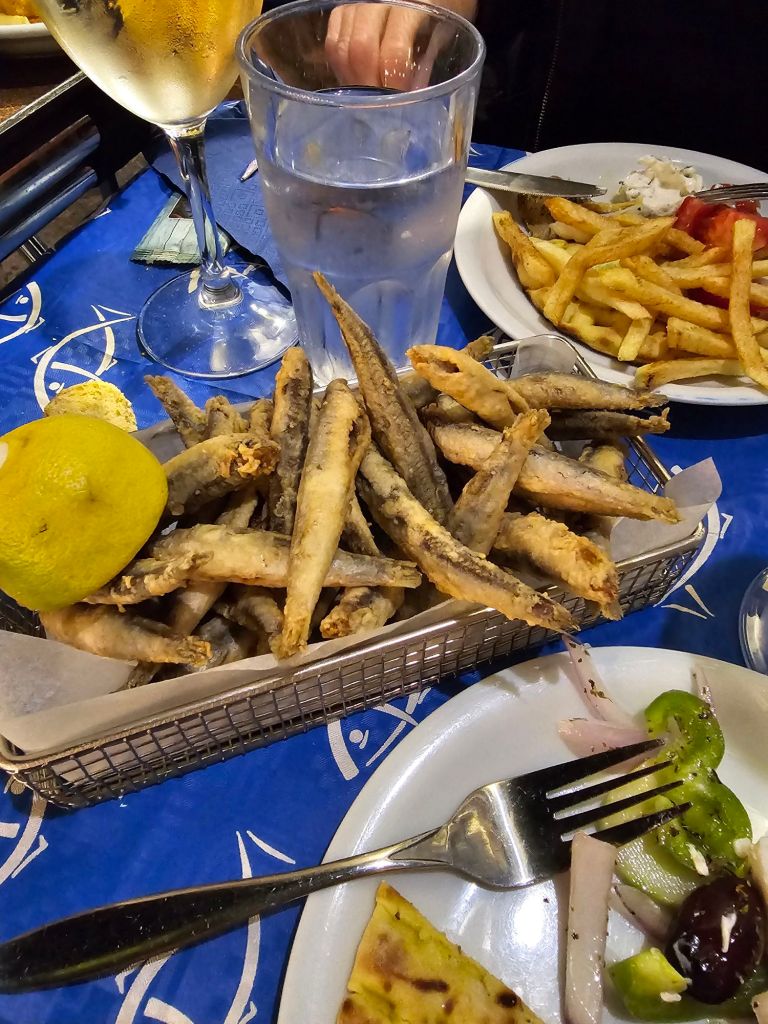

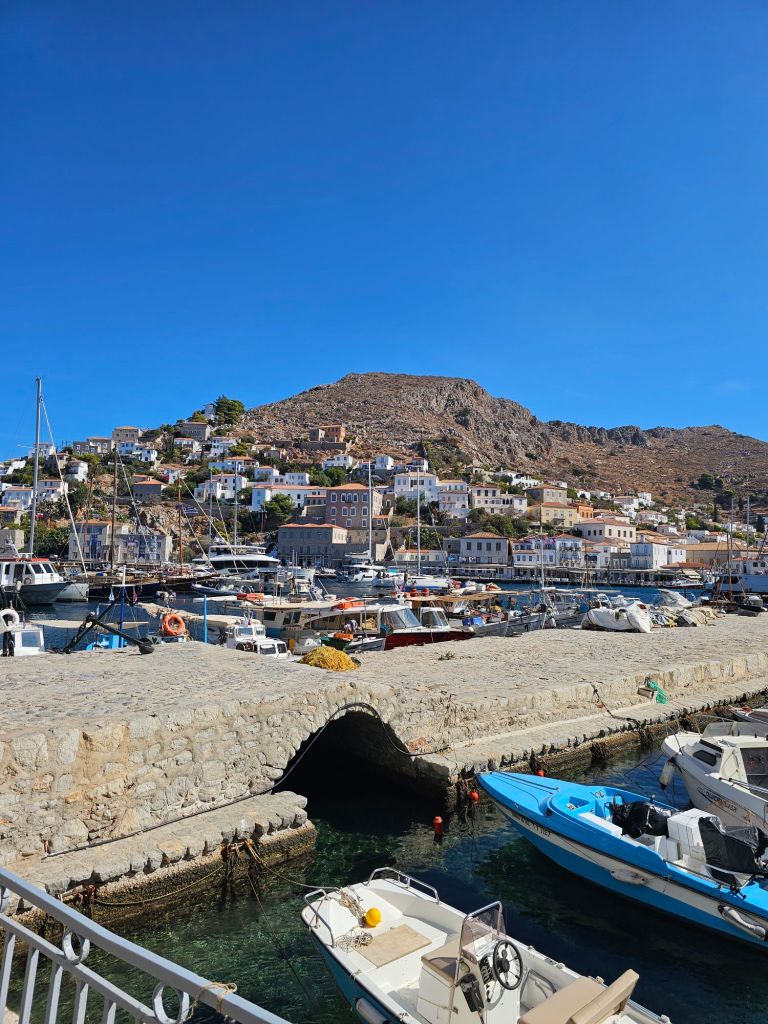


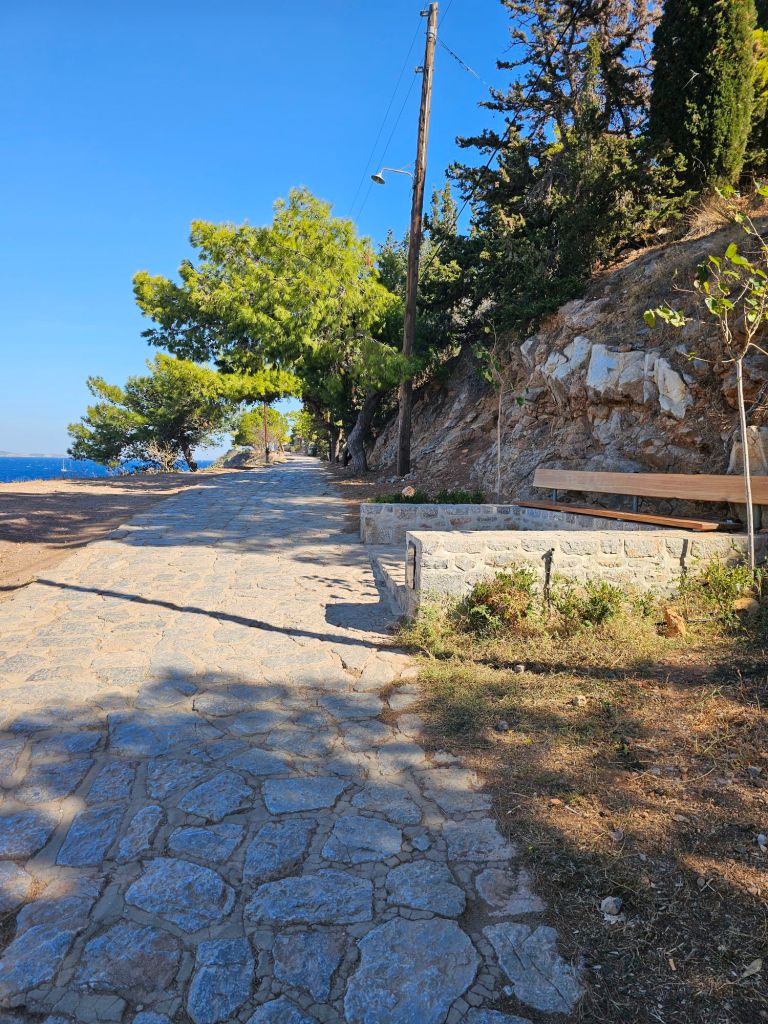

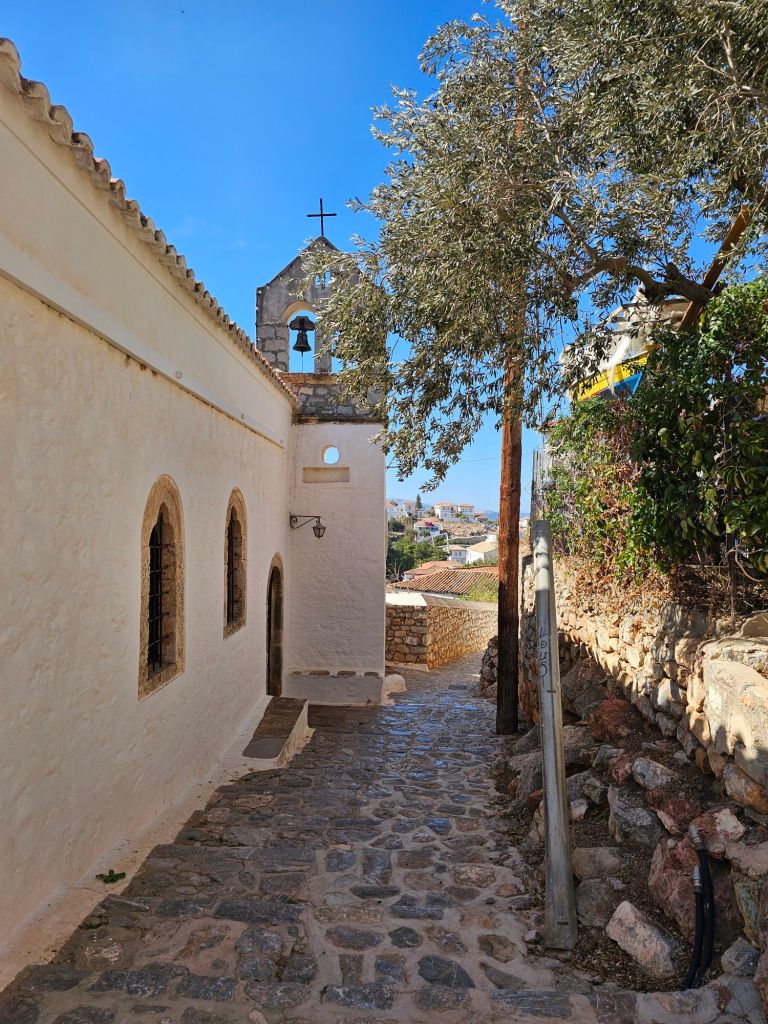
It’s a charming island Hydra, the Greeks all think it’s freezing because it’s only 22° but I’m definitely not complaining!
Pauline has never been to Greece or Rome and we figured now it’s a bit cooler in Josselin it would be a good time to go. Wednesday we took the bus to Rennes and the train to Paris Montparnasse, staying the night in Paris.







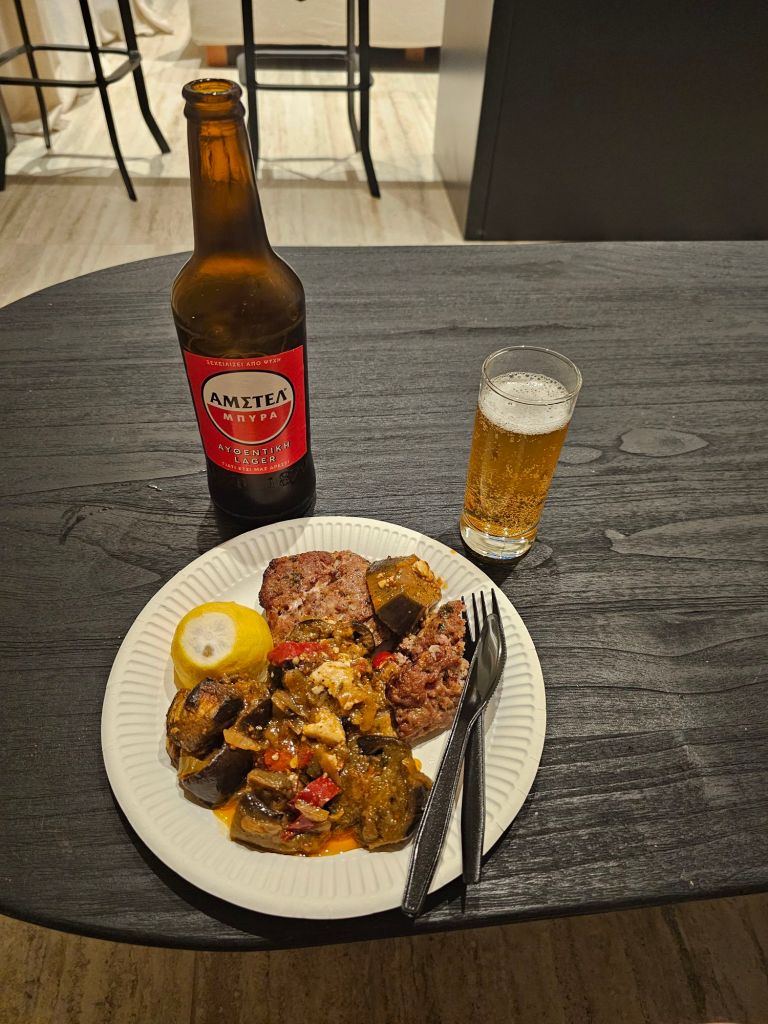
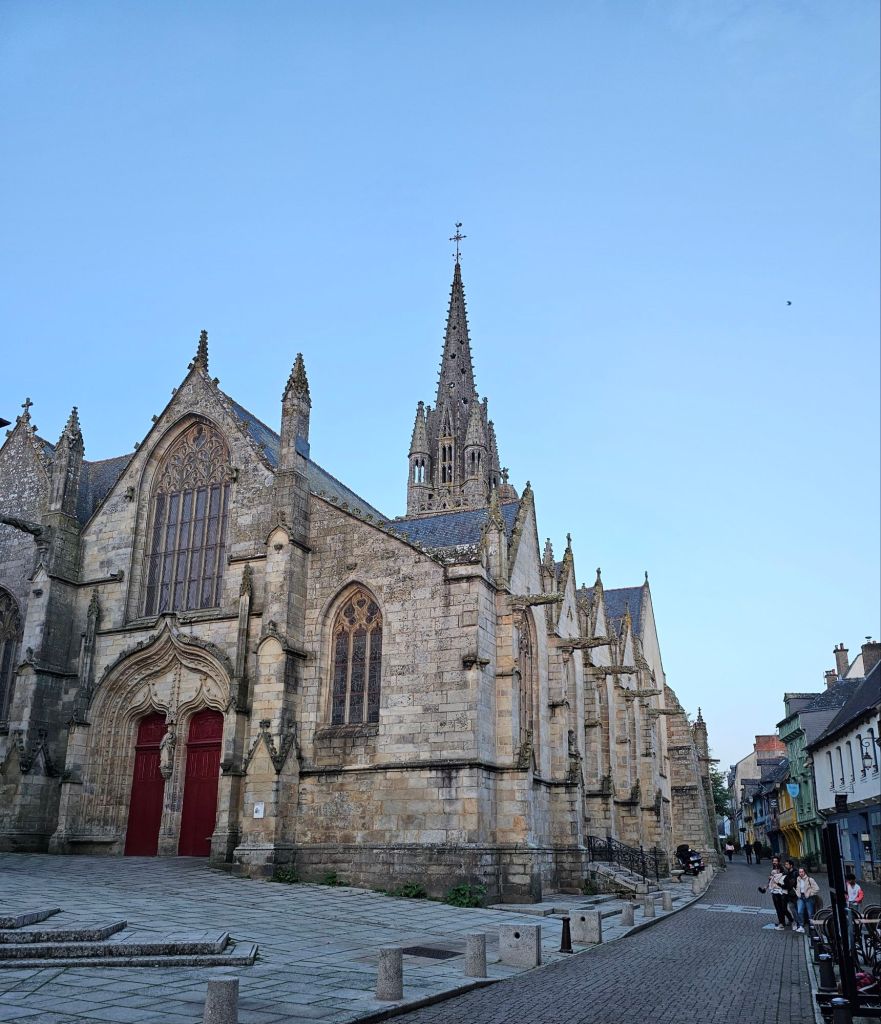
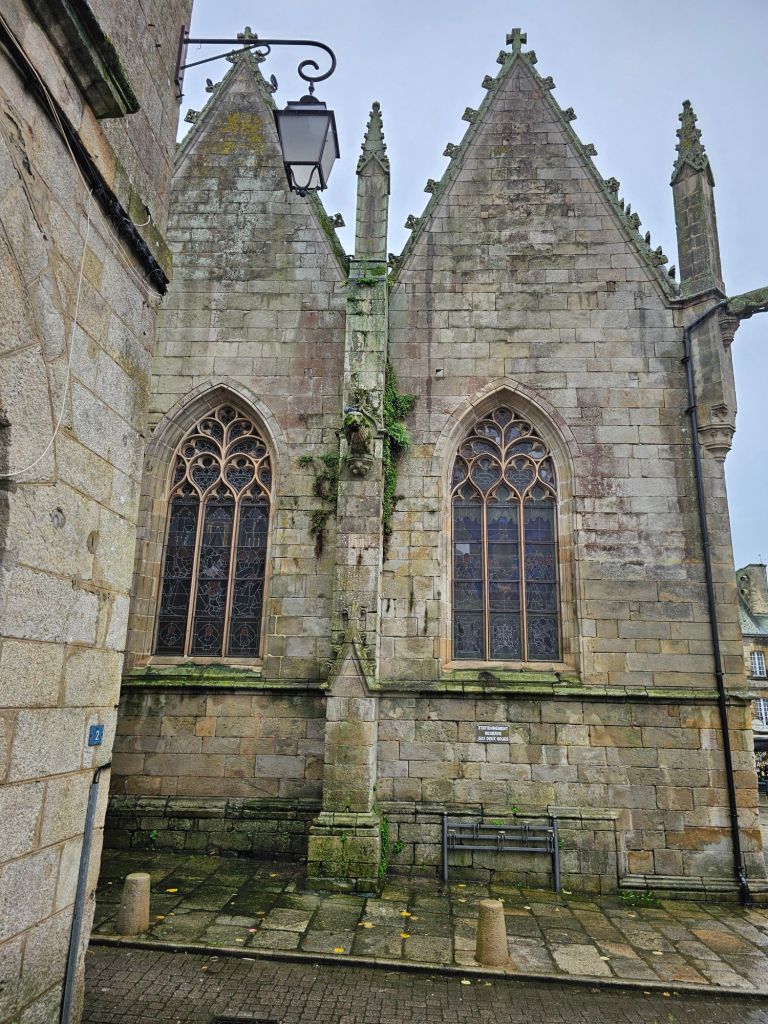
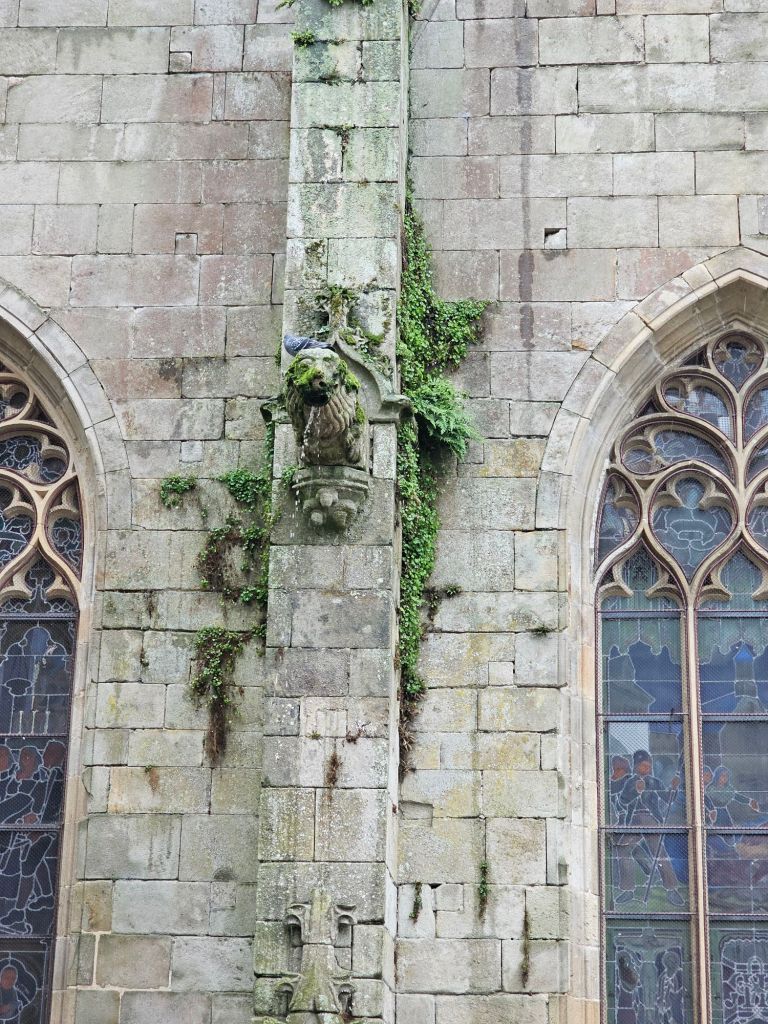
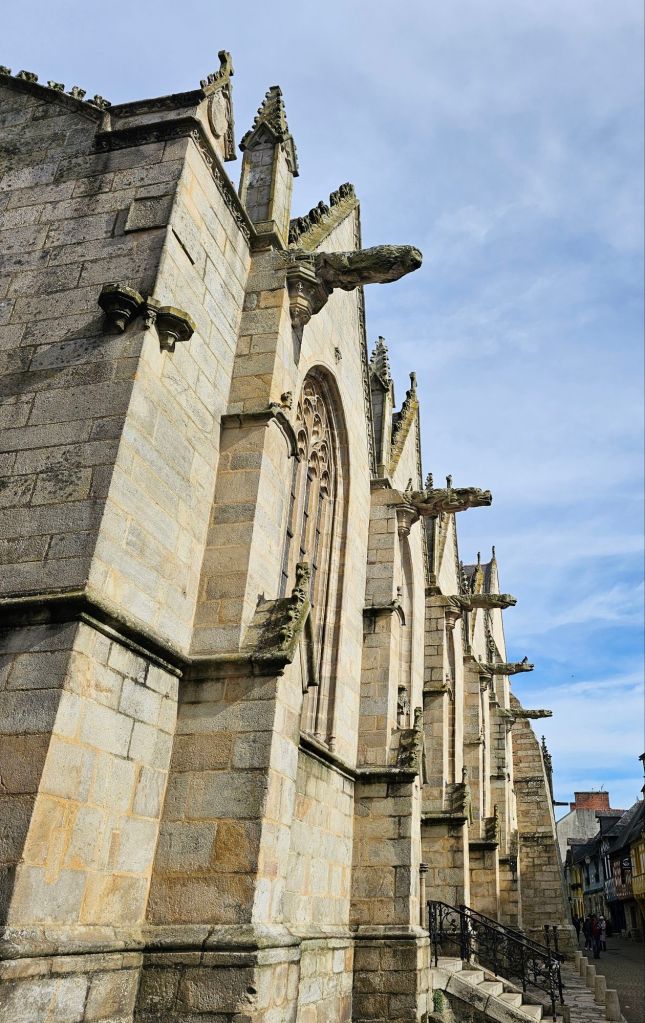
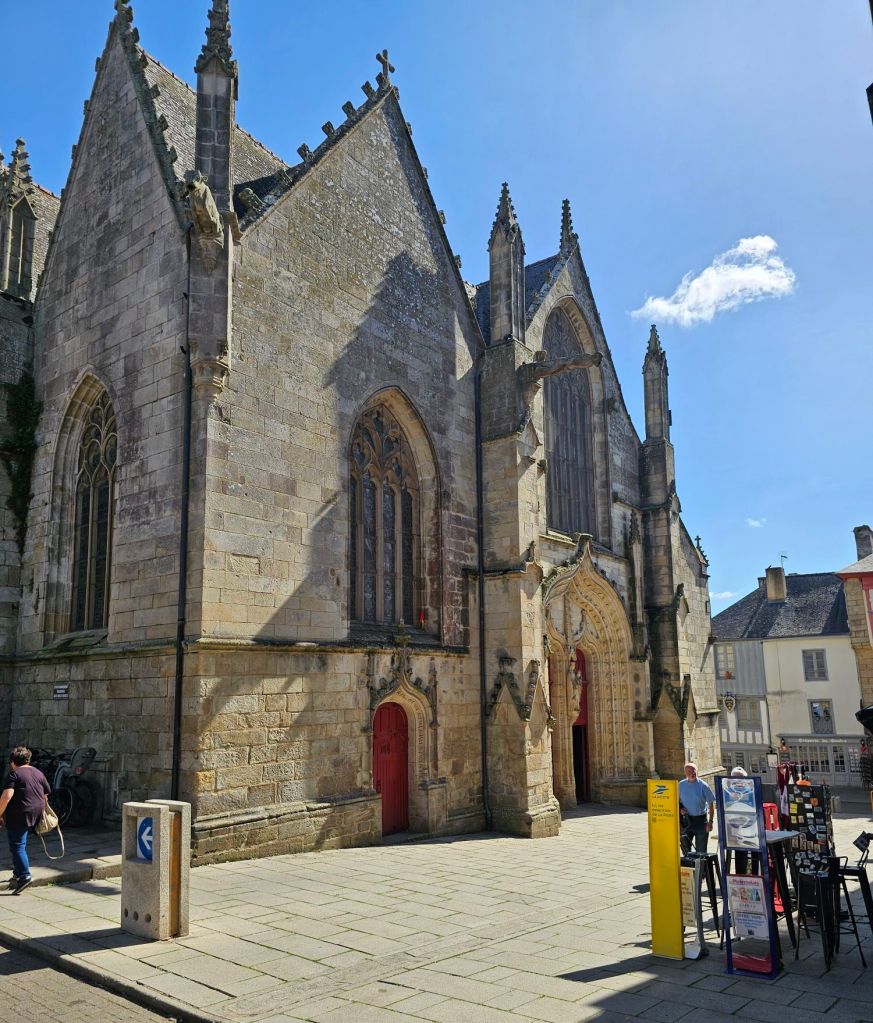
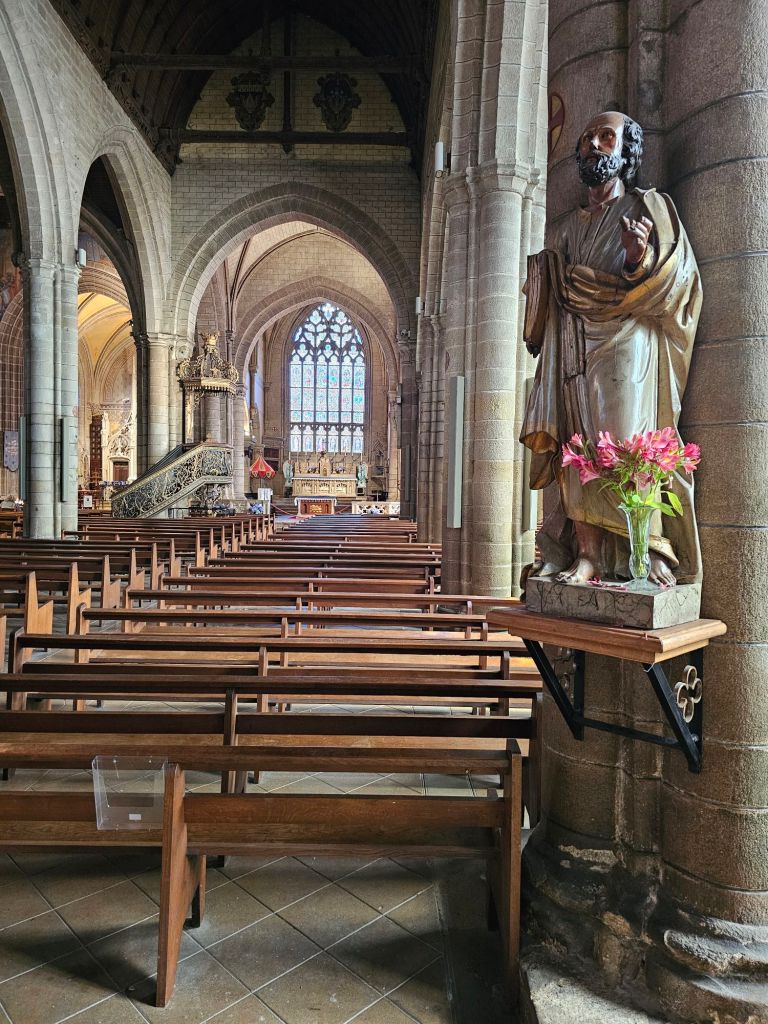
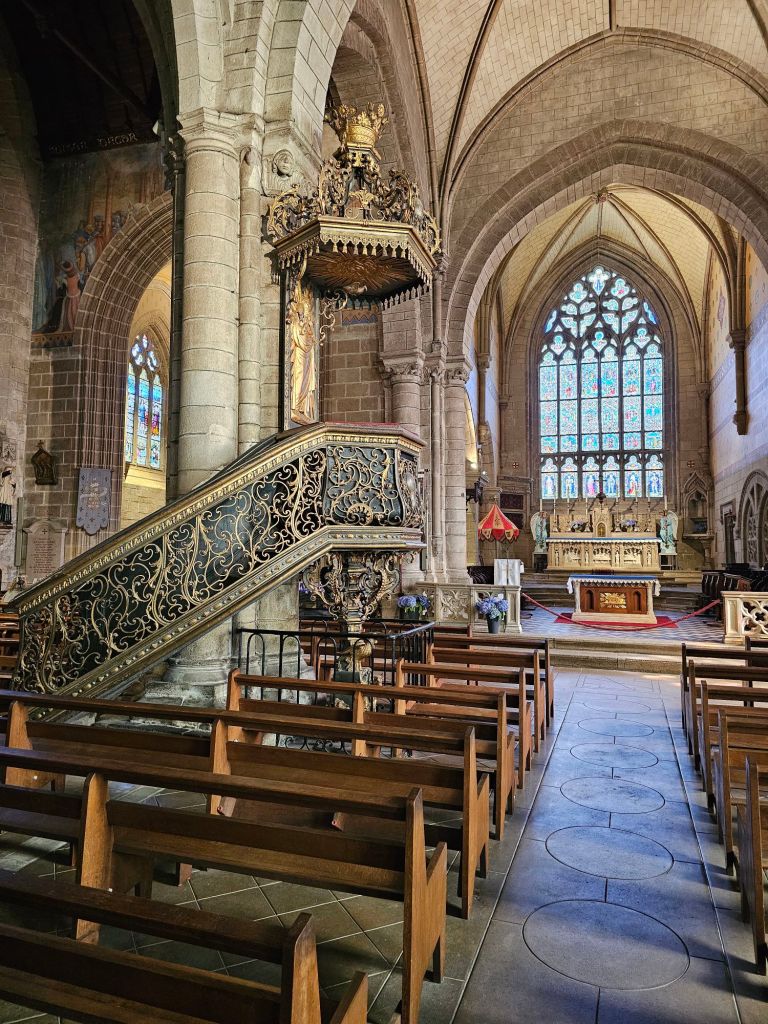
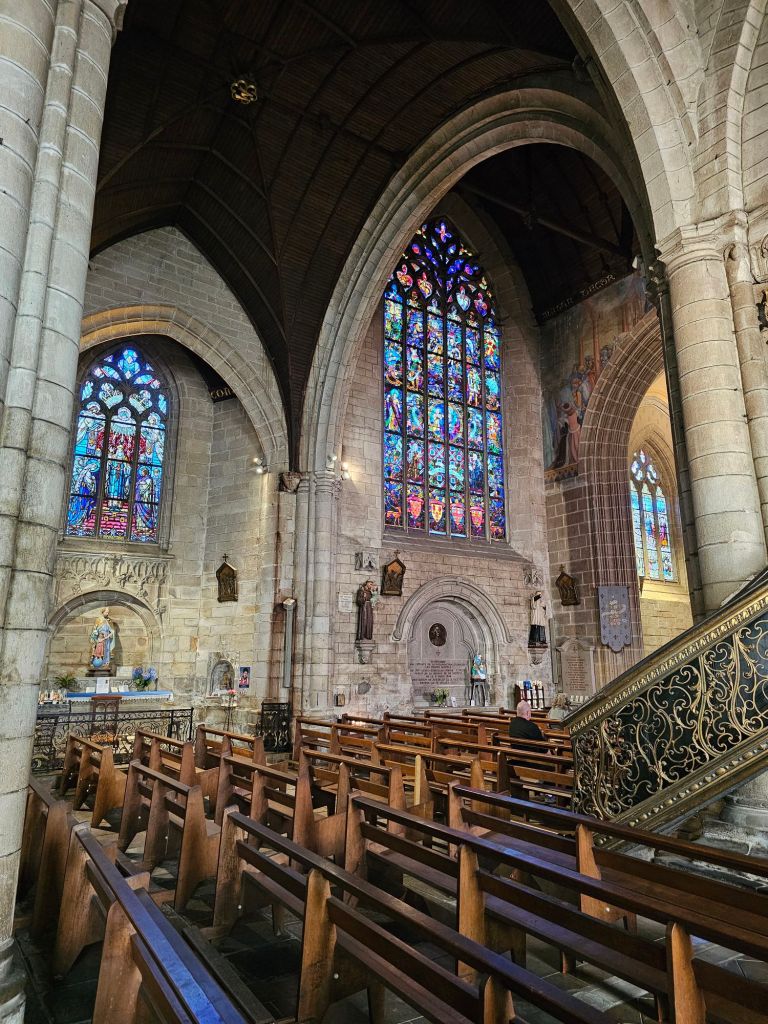
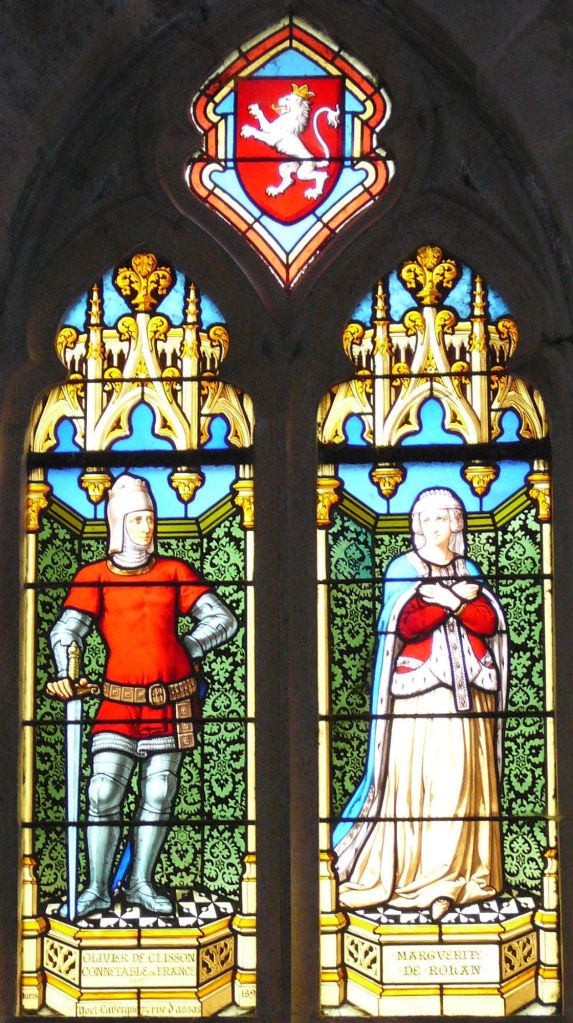
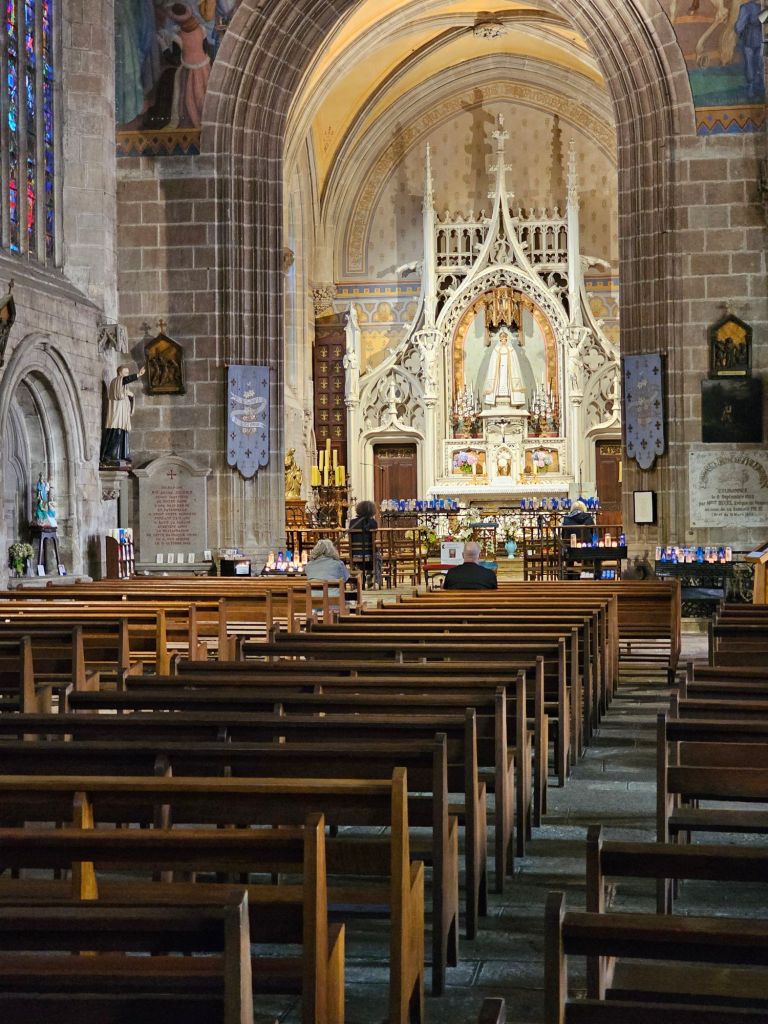
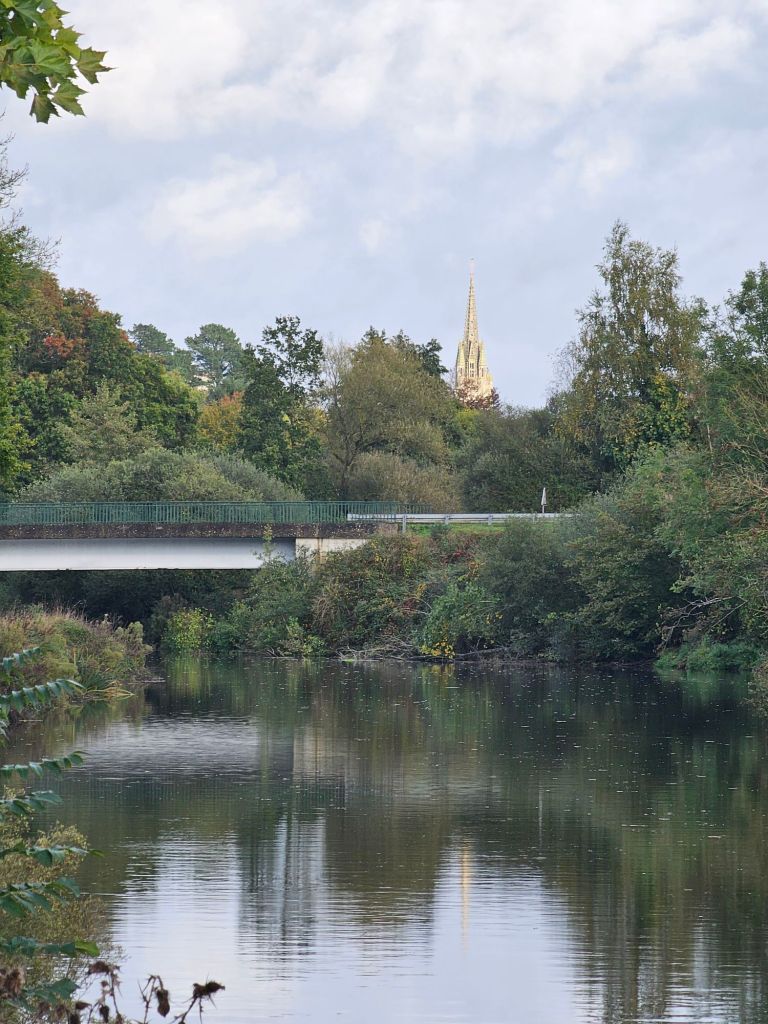
I’ve covered quite a few of the churches we have visited but it occurred to me I should write a post about the one in Josselin. It has an interesting history.
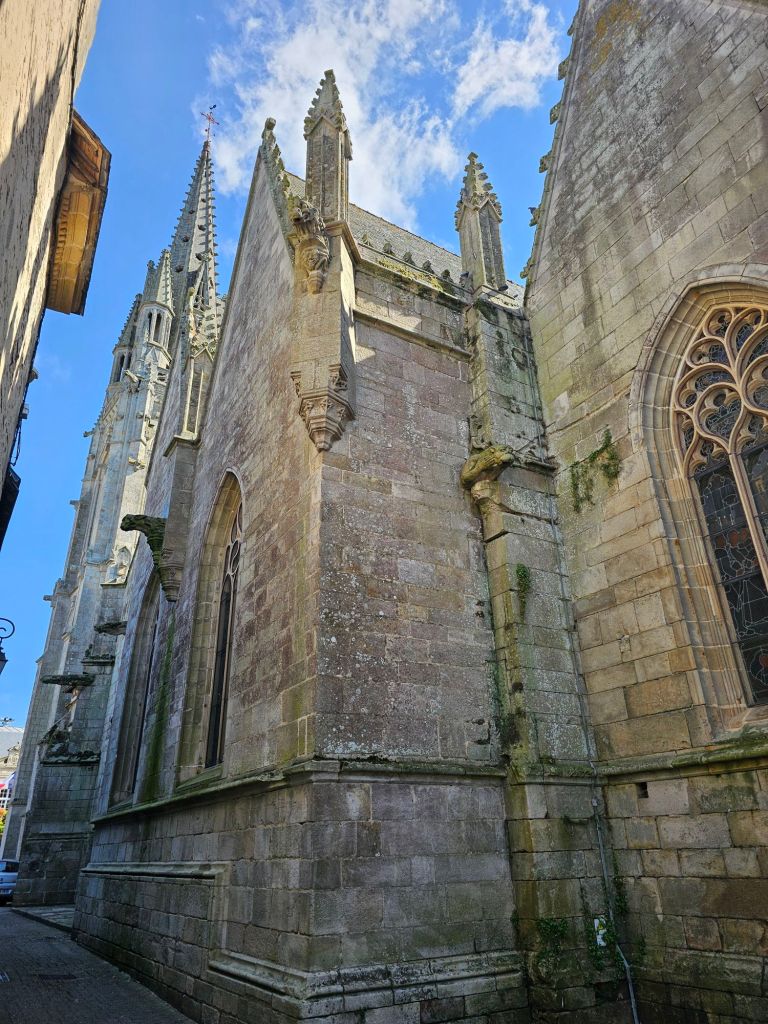
“In 808, the town of Josselin, in Bro Sant Maloù, did not yet exist. A ploughman was cultivating his land, at the place where the church of Notre-Dame du Roncier is currently located. Suddenly he saw, in a bramble bush, a statue of the Virgin Mary. A very Christian man, he took it and carried it home. But the next morning the statue had disappeared, and it was found in the bramble bush, where it had been the day before. Very surprised, the farmer took the statue back and brought it home again, but the next morning it had disappeared again. It was found again in the bramble bush, hence the name Notre-Dame du Roncier that was soon given to it. And this happened again for several days. The farmer then gathered his family for fervent prayer. And his daughter, blind from birth, was healed.
The peasant then decided to build a small chapel where the statue wanted to remain. Obviously, all this became known very quickly, and other people ran to pray. The bishop of Saint-Malo, the local bishop, authorized the worship. Very quickly, many people came to settle near the Chapel. A monastery was built. The city of Josselin was born.
Soon a Knight Guethenoc de Porhoët came to establish his castle not far from the chapel. He gave the name of his son, Josselin, to the nascent city. Immediate consequence: pilgrimages multiplied. Thanks to the construction of several monasteries and a Romanesque church which was later rebuilt in the Gothic style, the city of Josselin grew. The healings obtained, the preaching of Saint Vincent-Ferrier, the passage of pilgrims from Tro-Breiz and those from Santiago de Compostela broadened the influence of the sanctuary and the castle of Josselin.”

Maria lives in Hong Kong but she was flying in to Nantes from Porto where she’d been to a wedding. We drove to Nantes to meet her planning a pleasant drive along the coast, hoping for a walk on a beach along the way. Unfortunately it poured down all the way. When we reached Nantes the cloud base was quite low and it was raining quite heavily. We watched her plane on flight radar clearly on hold and then coming in for an approach, and then aborting at about 1300 feet and heading off at a great rate of knots diverting to Bordeaux. D’oh! So we drove back to Josselin as it was getting quite late and Pauline had a meeting that night. Meanwhile Maria’s flight refueled and came back for another go, this time successfully. She ended up staying the night in Nantes and getting the train to Rennes the next day and then the bus to Josselin arriving a day late but bearing gifts from Porto.

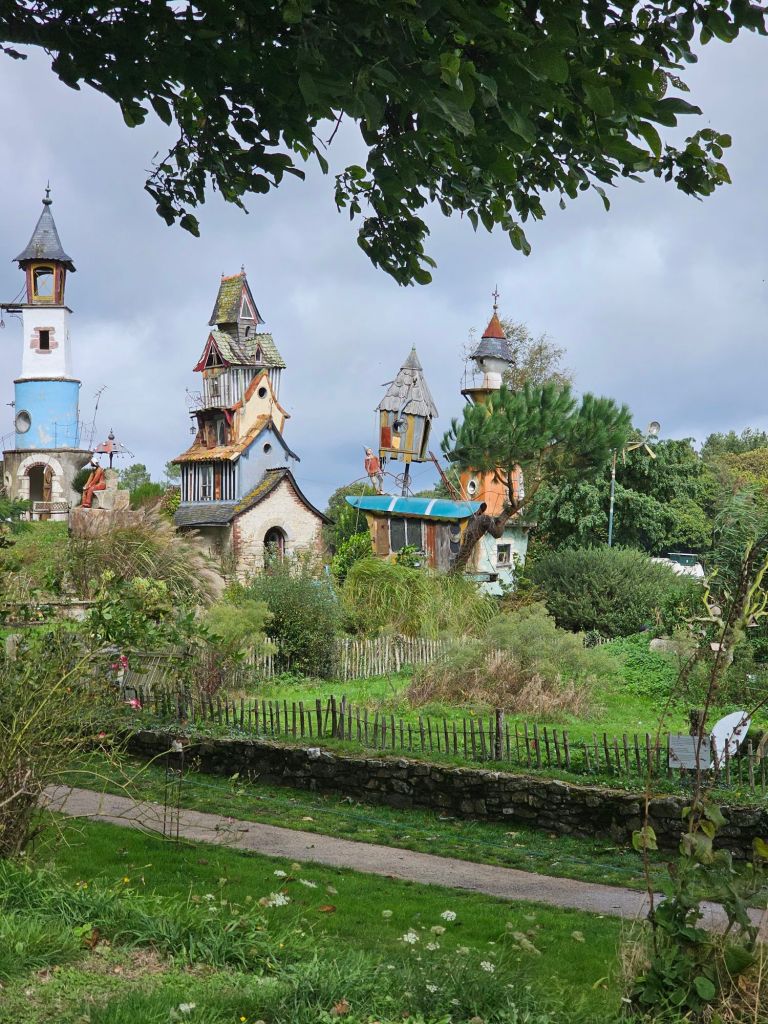
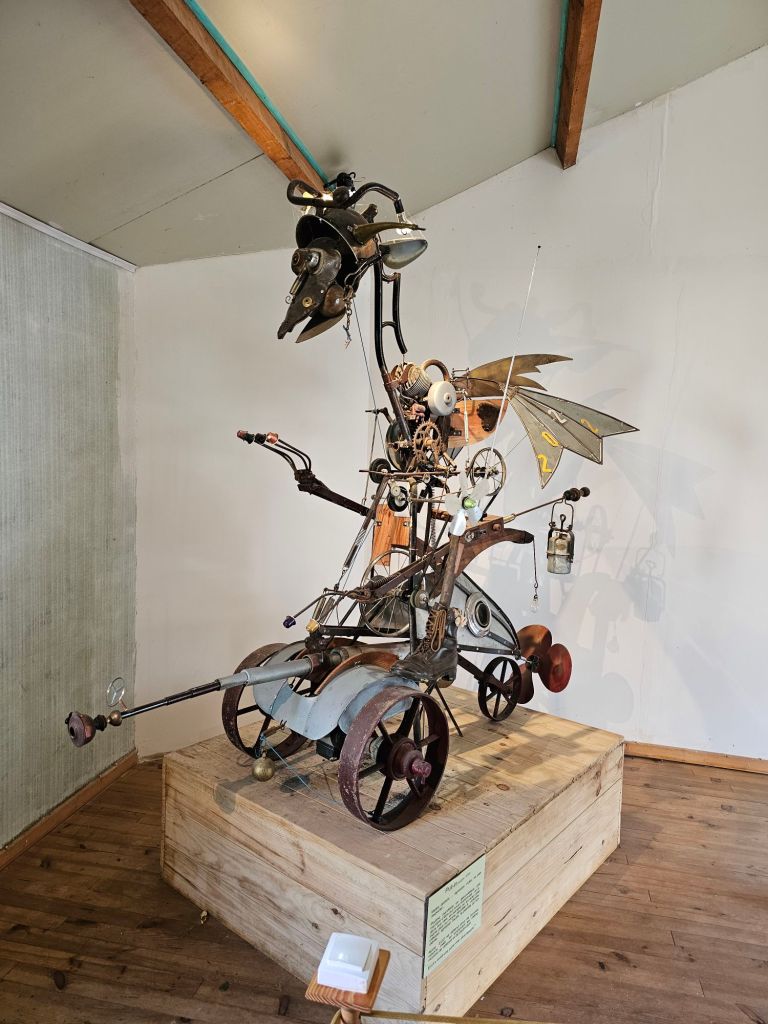
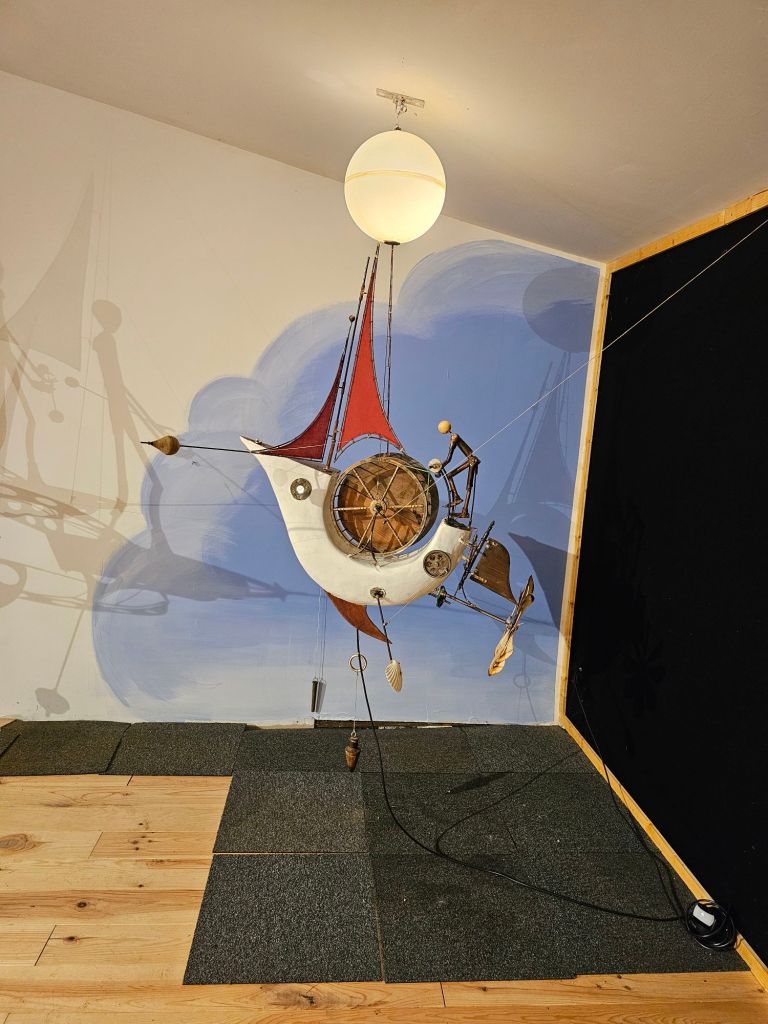
The next day was still a bit rainy so we set off to L’univers du Poète Ferrailleur, an indoor/outdoor museum of funky art not far from Josselin. It’s similar to the Lost Gypsy in Papatowai. Both are well worth a visit if you’re either in Morbihan or the Catlins.




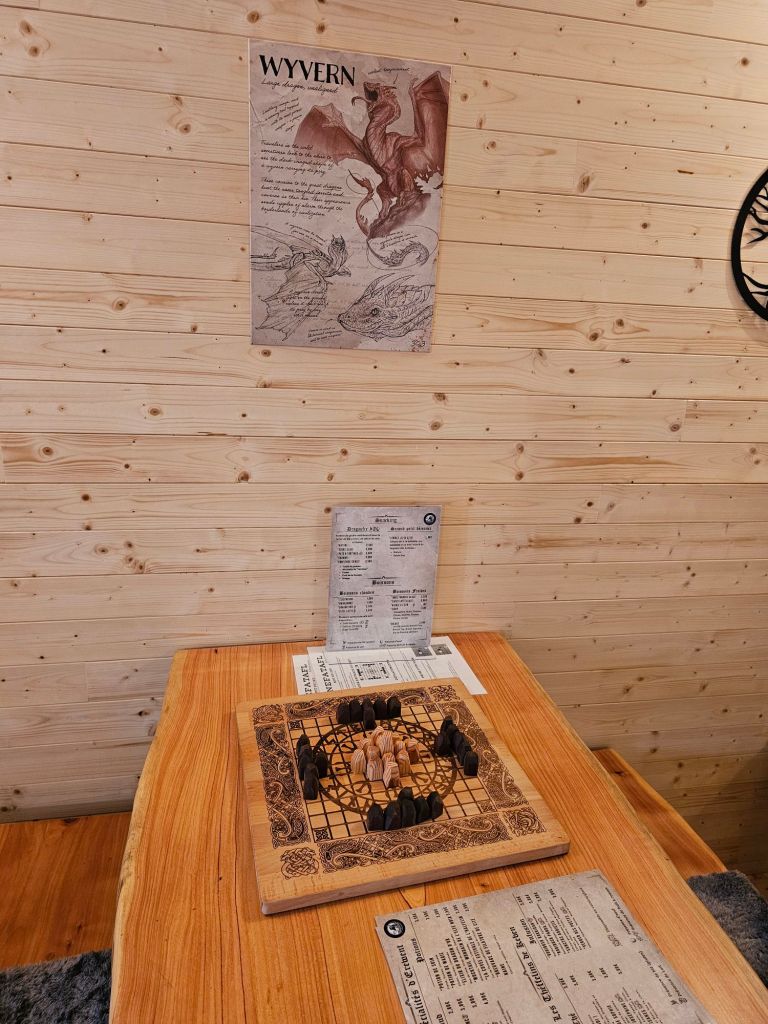
After the museum we stopped by at the café du dragon noir in Malestroit as it was still very much an indoors sort of day.

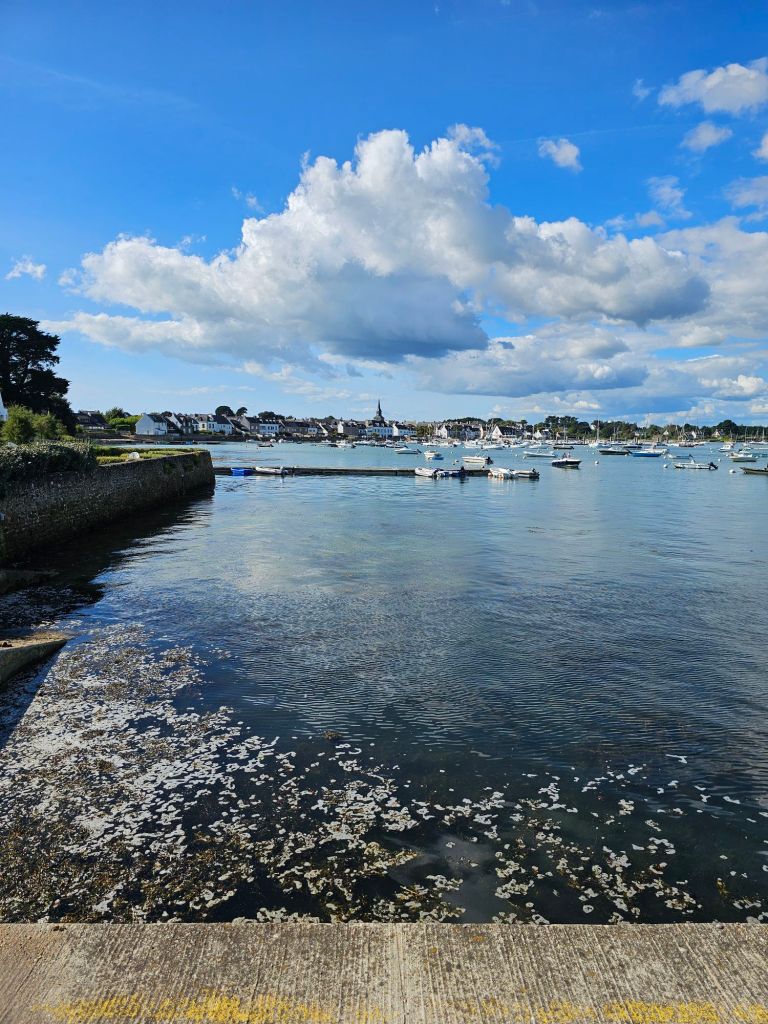
The next day was a lot sunnier so we drove to Locmariaquer which is a small coastal town in the Gulf of Morbihan and walked along the coast a bit. You can get a boat tour around the gulf, Pauline and I did it once, it was great. Very pretty part of the world.
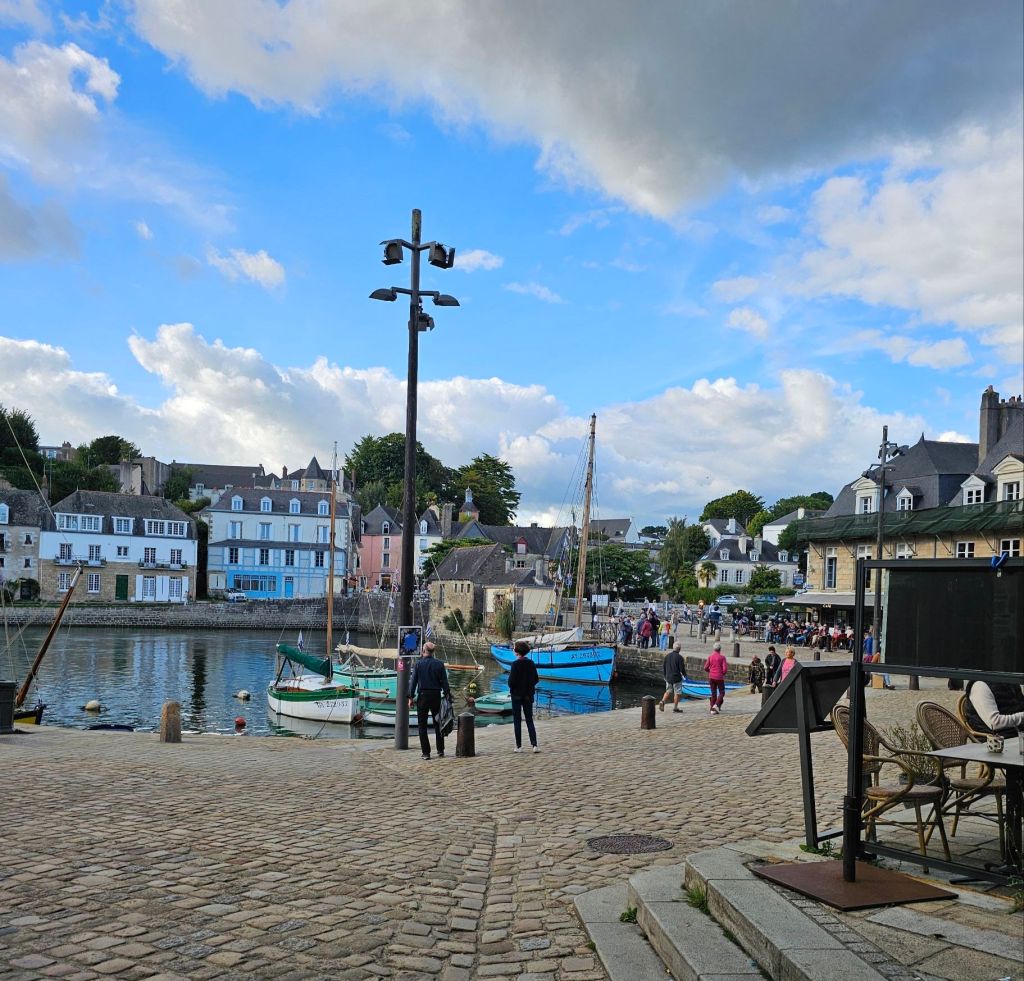
On the way back we stopped in Auray, one of our favourite little towns.


Pauline has known Maria since she was a baby, it was very nice for her (and me) to be able to spend some time together. Thanks very much for dropping by Maria, it was a very nice couple of days.
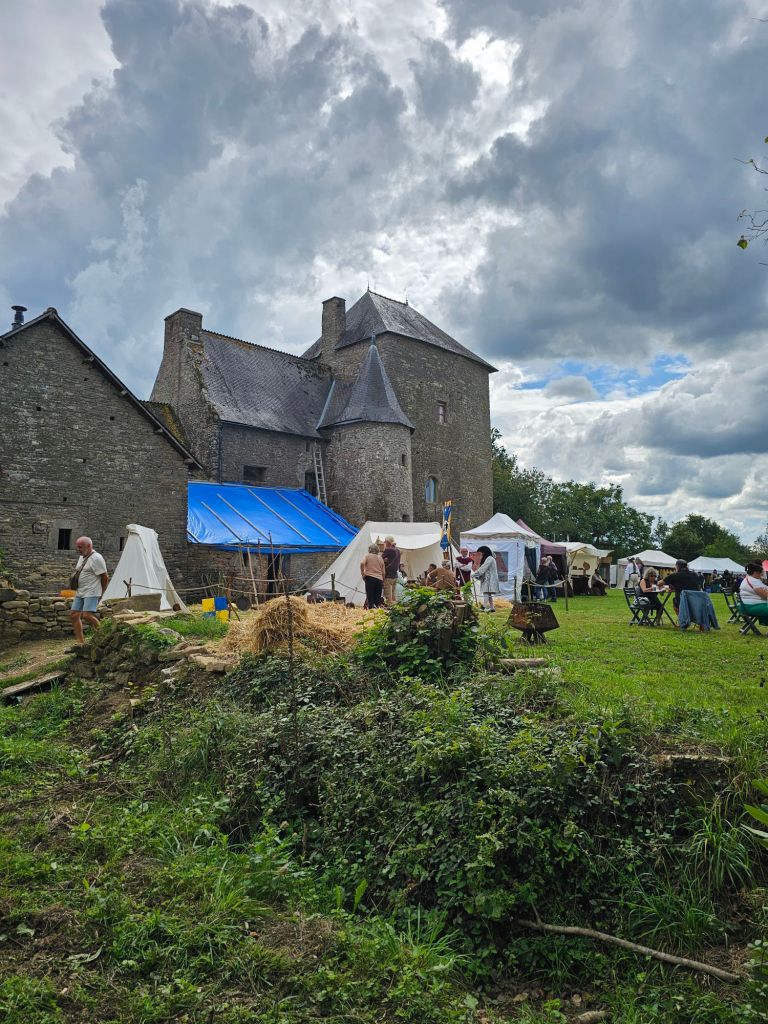
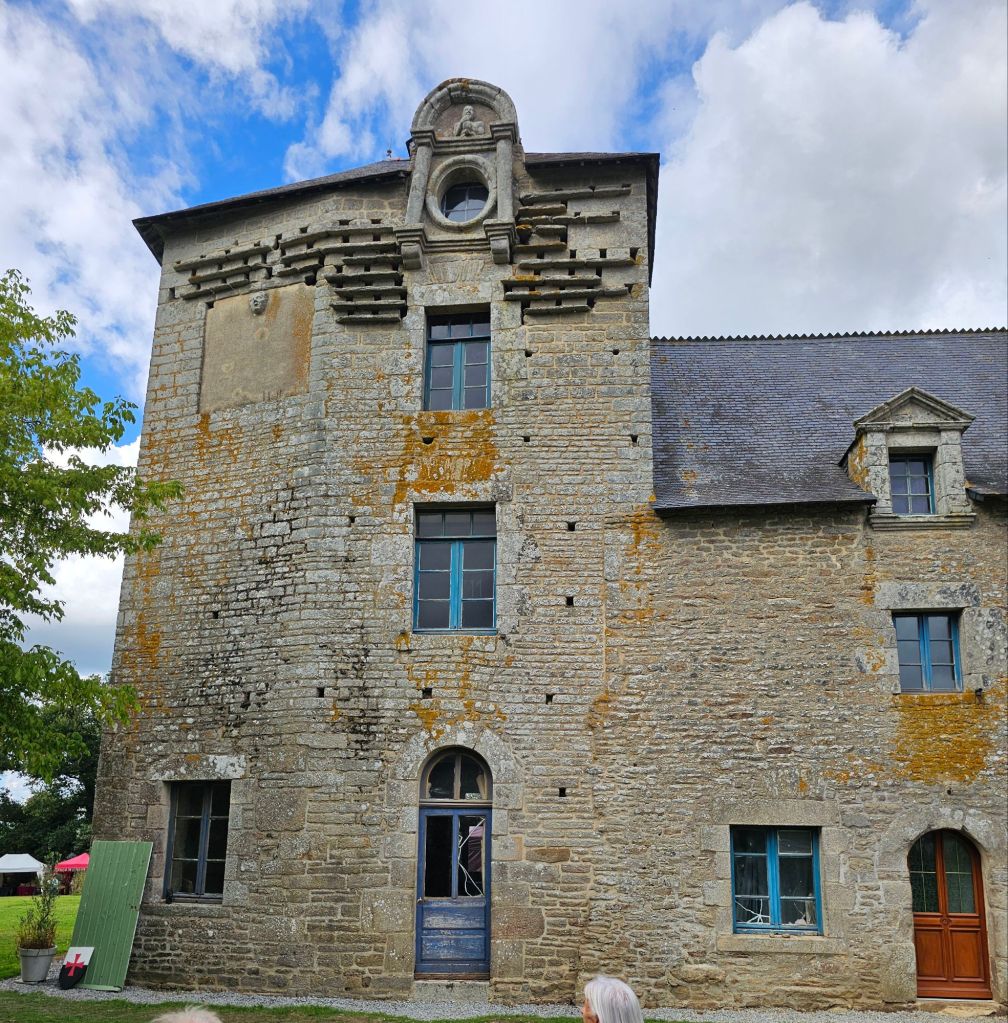
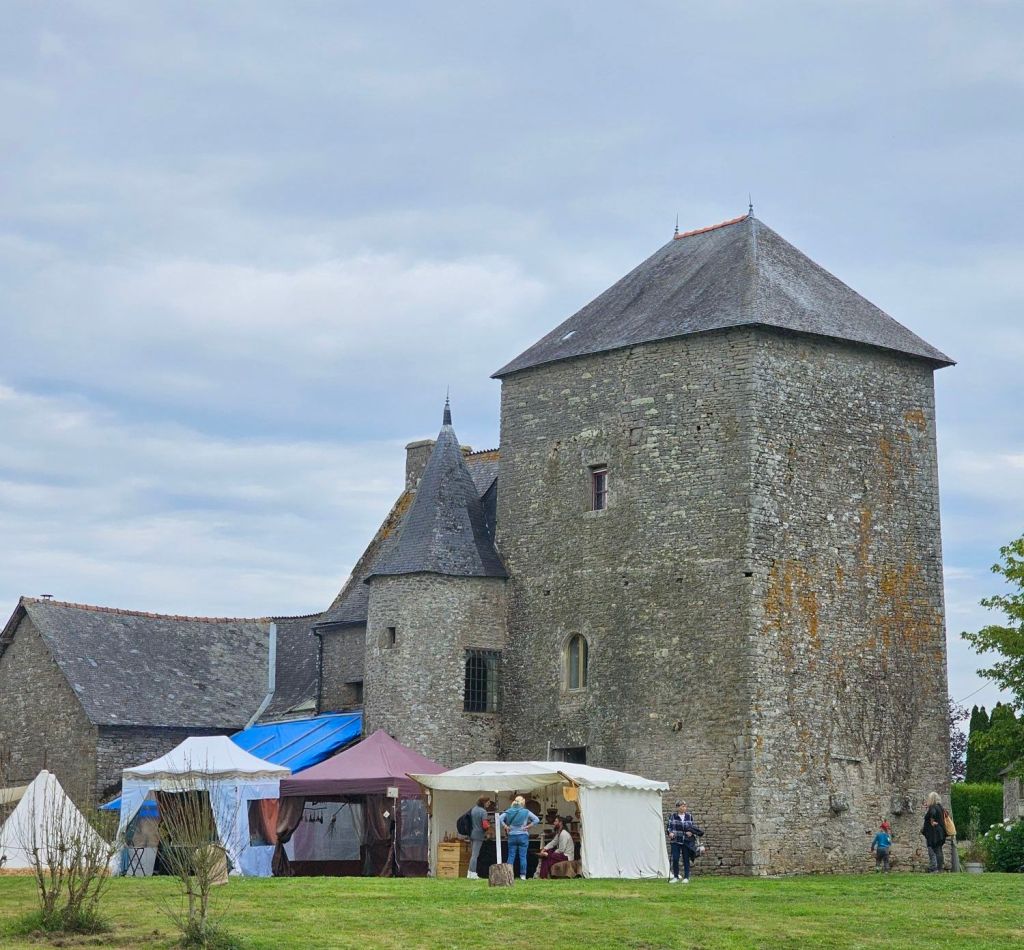
This is slightly out of order as it was before we had our visitors and before we went to St Malo. The 41st edition of the European Heritage Days took place on 21 and 22 September 2024. This year, it had two themes: “Heritage of routes, networks and connections” and “Maritime”
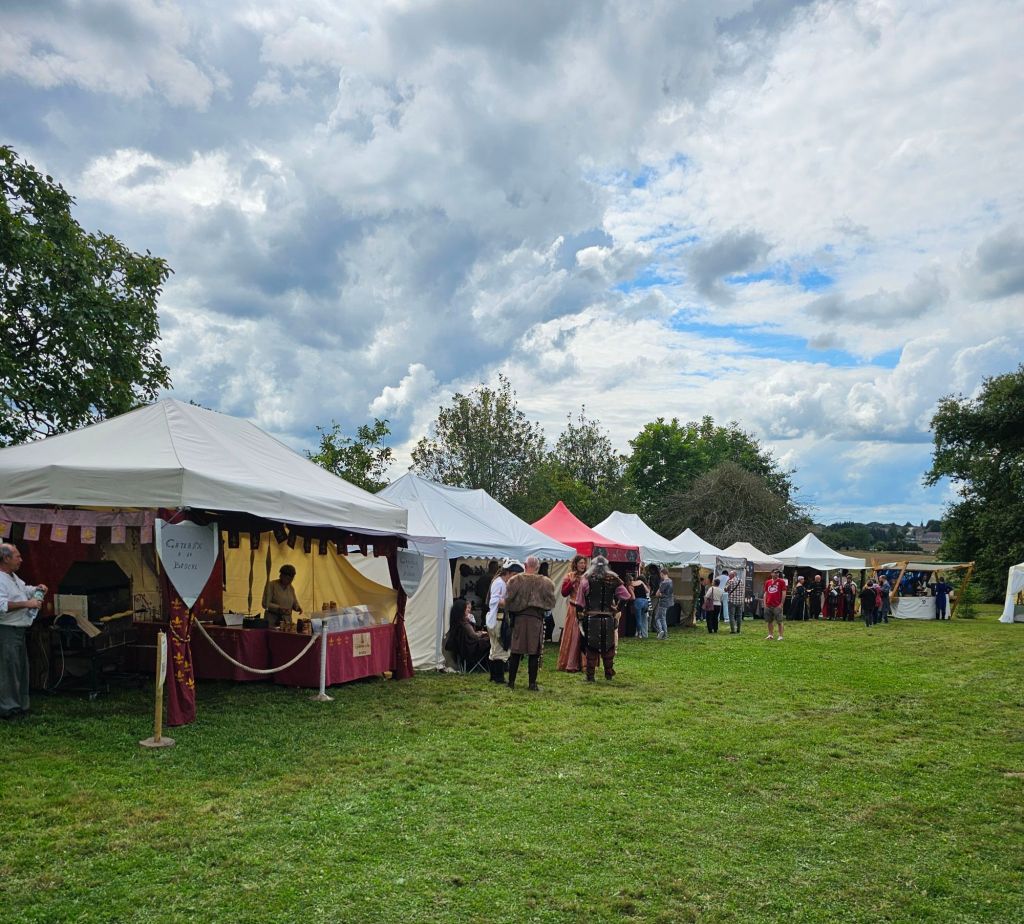
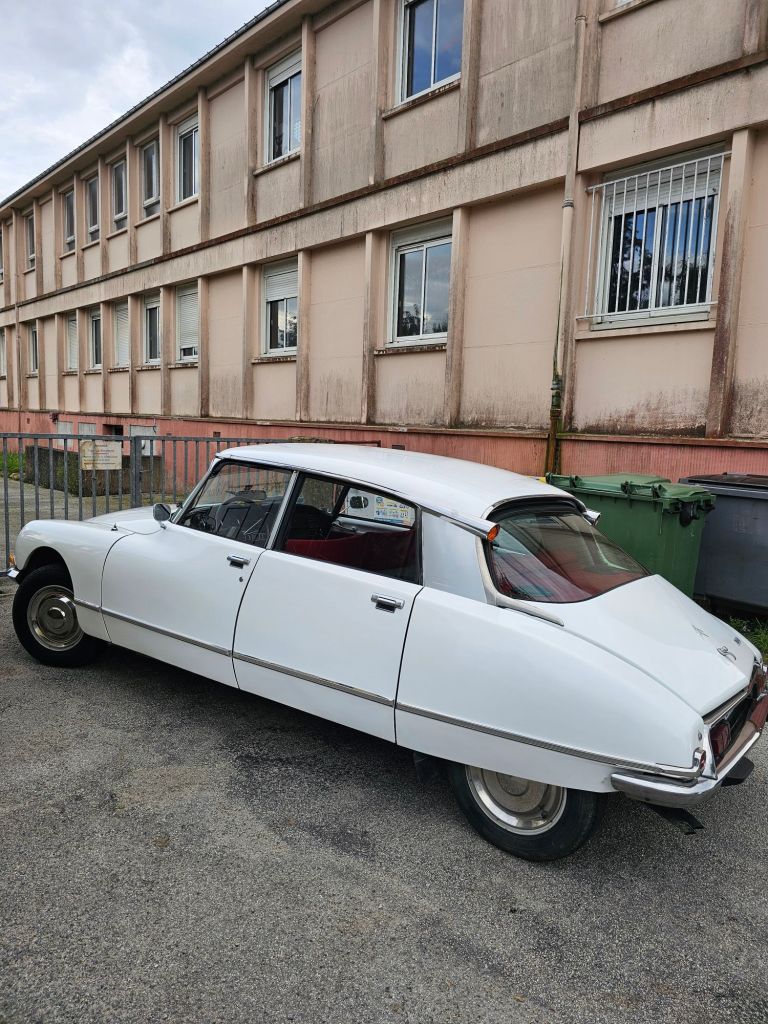
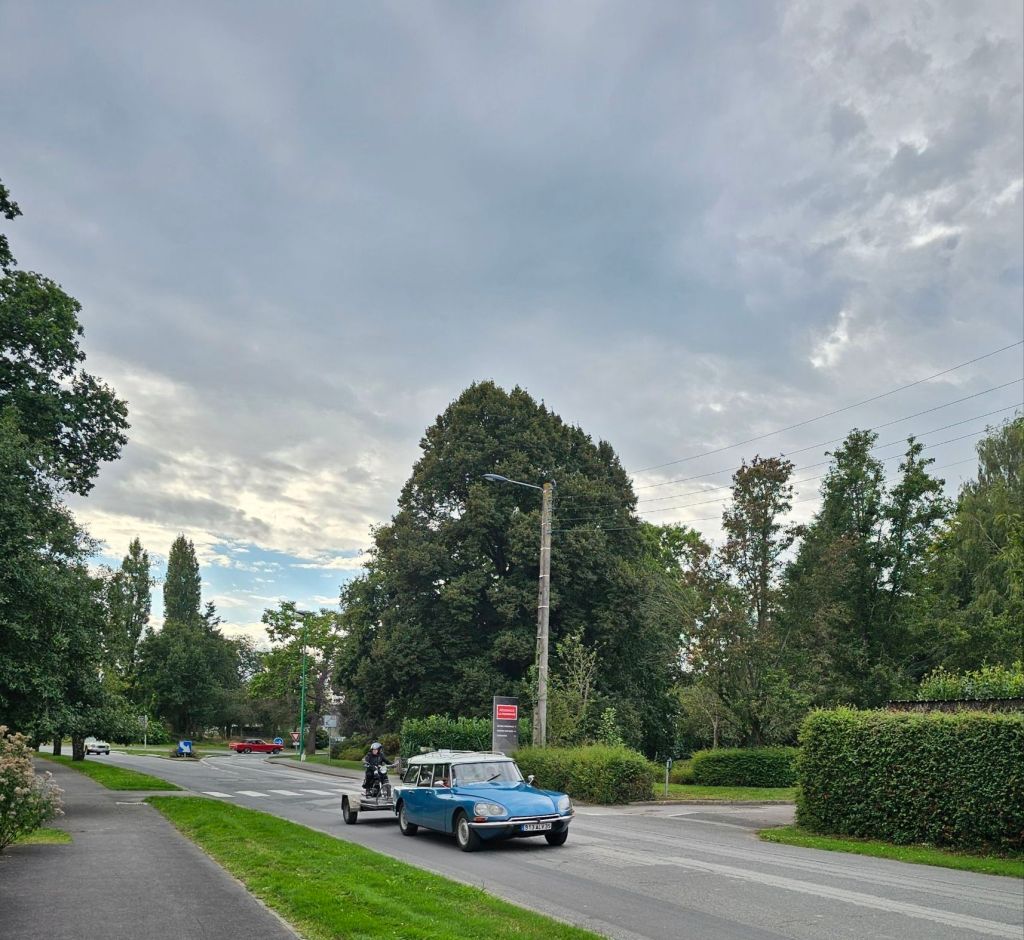
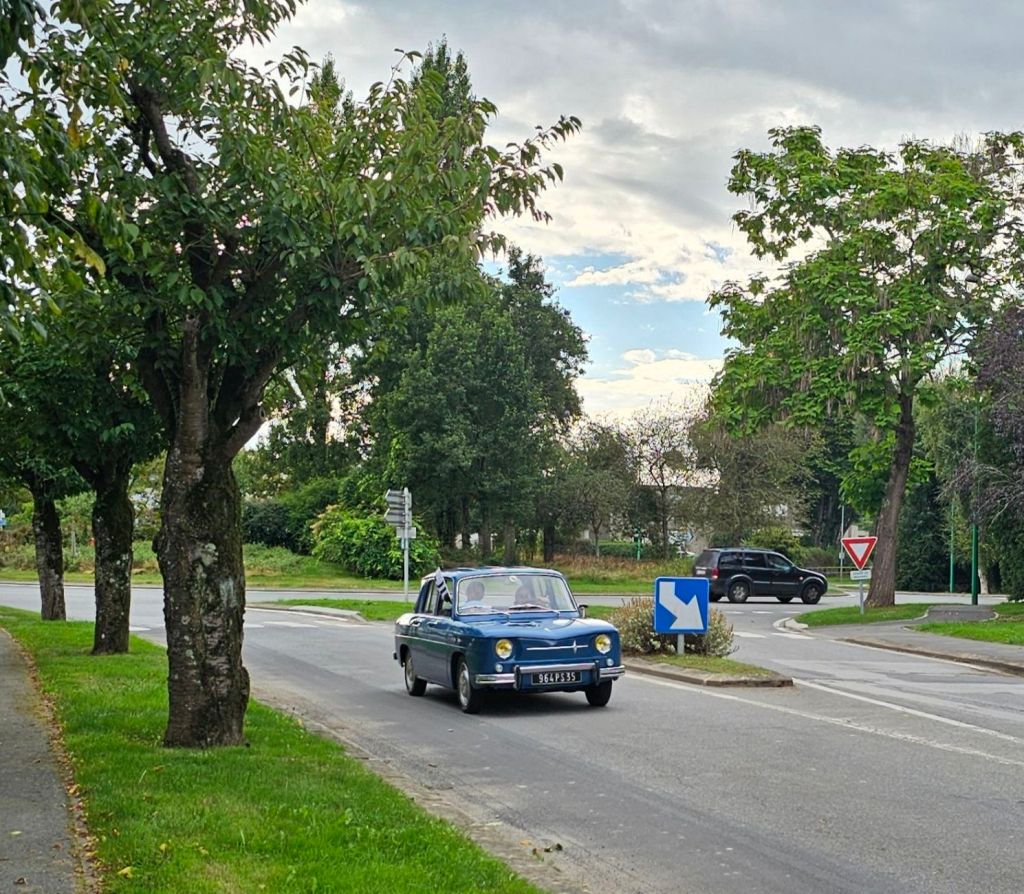
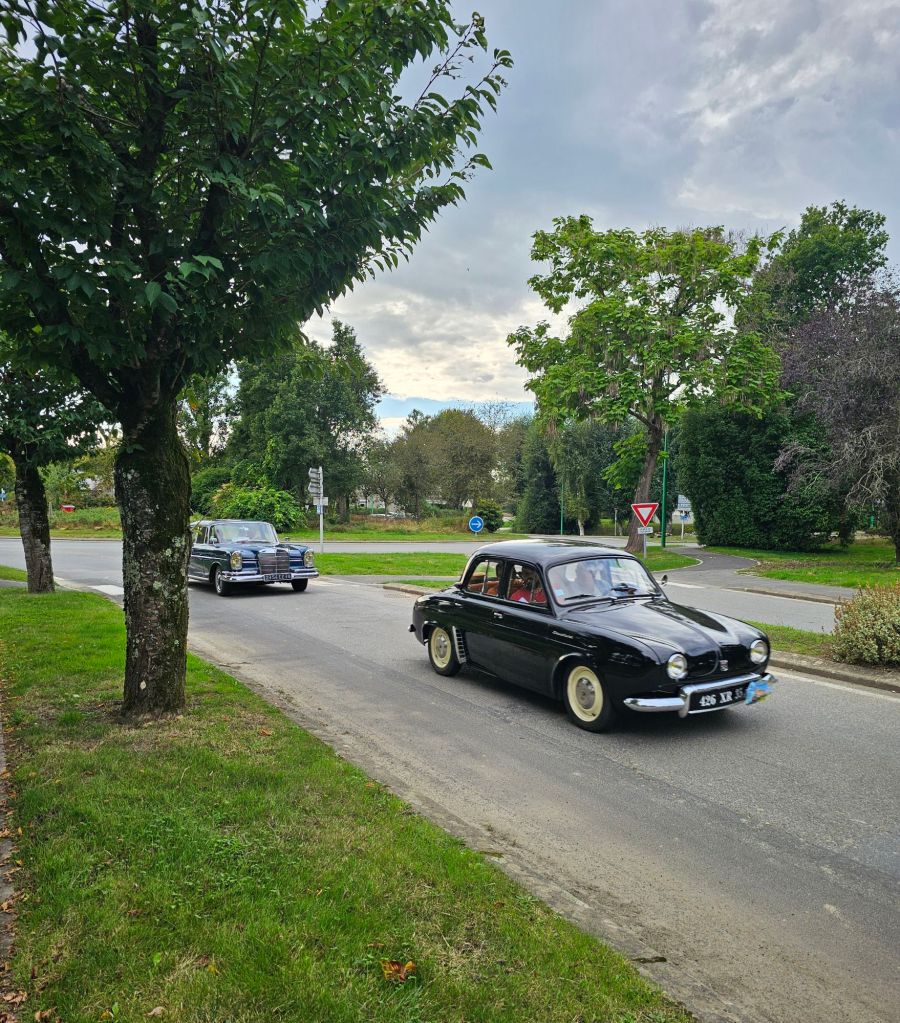
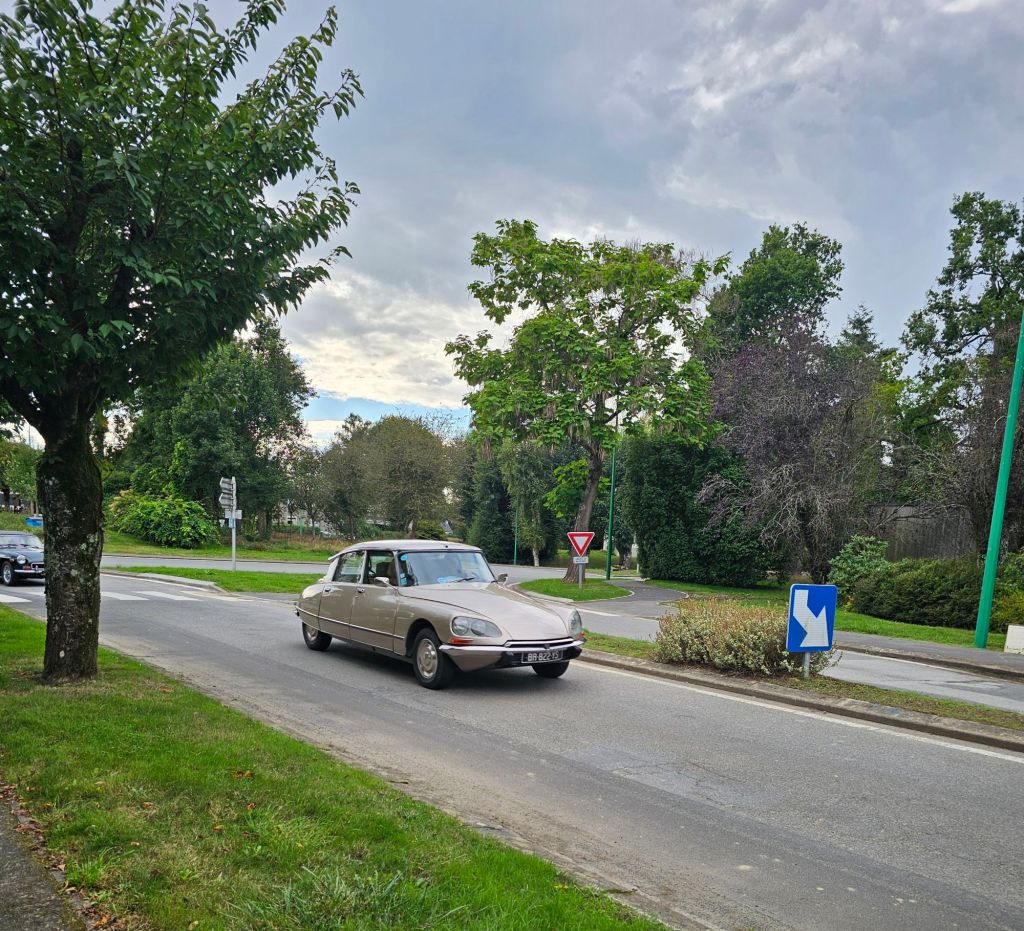
On these days a large number of châteaux, churches and other heritage sites held open days for the public. We chose to visit the Manoir d’Even which is not far from Josselin and where I had already been for a medieval festival and I thought Pauline would find it interesting. The Manoir has recently been bought by a young French couple and they have a huge task ahead of them. They showed us around the Manoir and grounds and explained some of the renovations required. Happily as the theme this year was “heritage of routes and connections” a local classic car club turned up with some fabulous cars. We had a thoroughly enjoyable afternoon here.


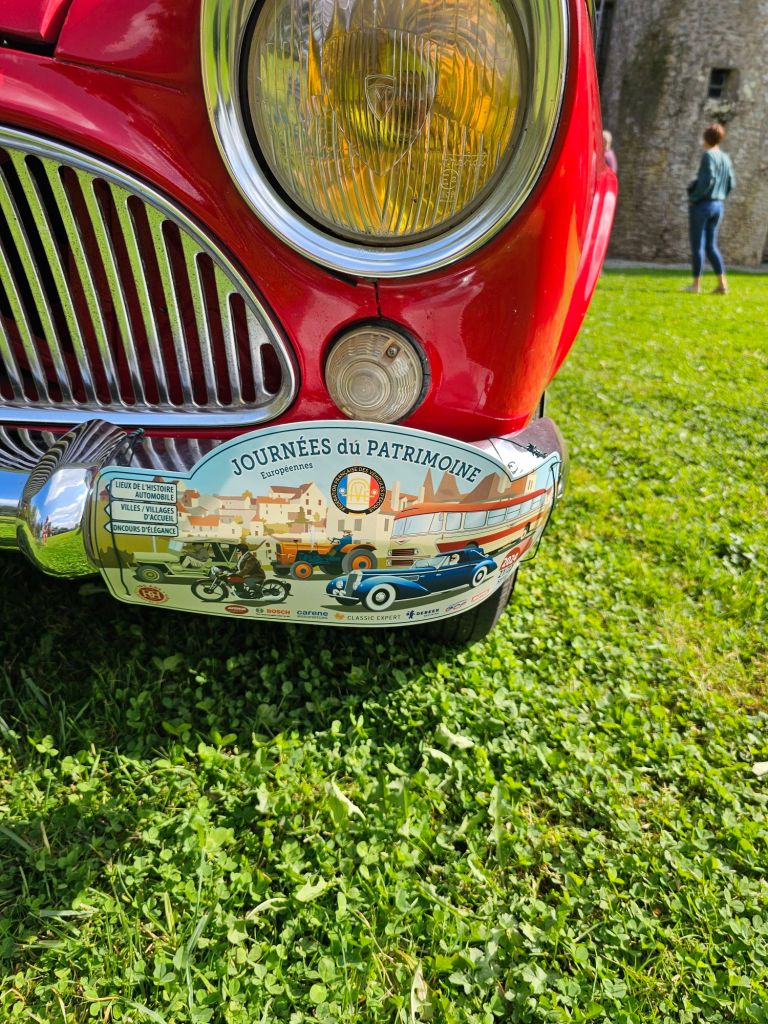
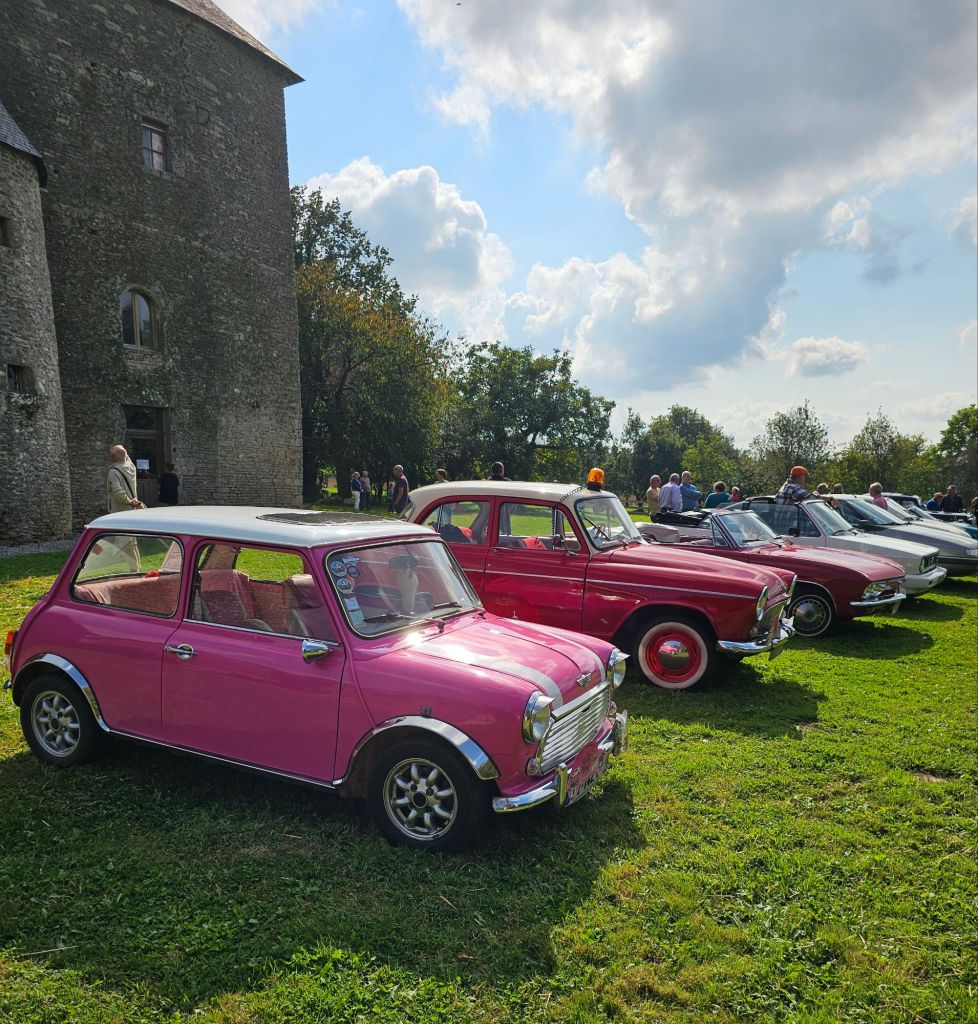
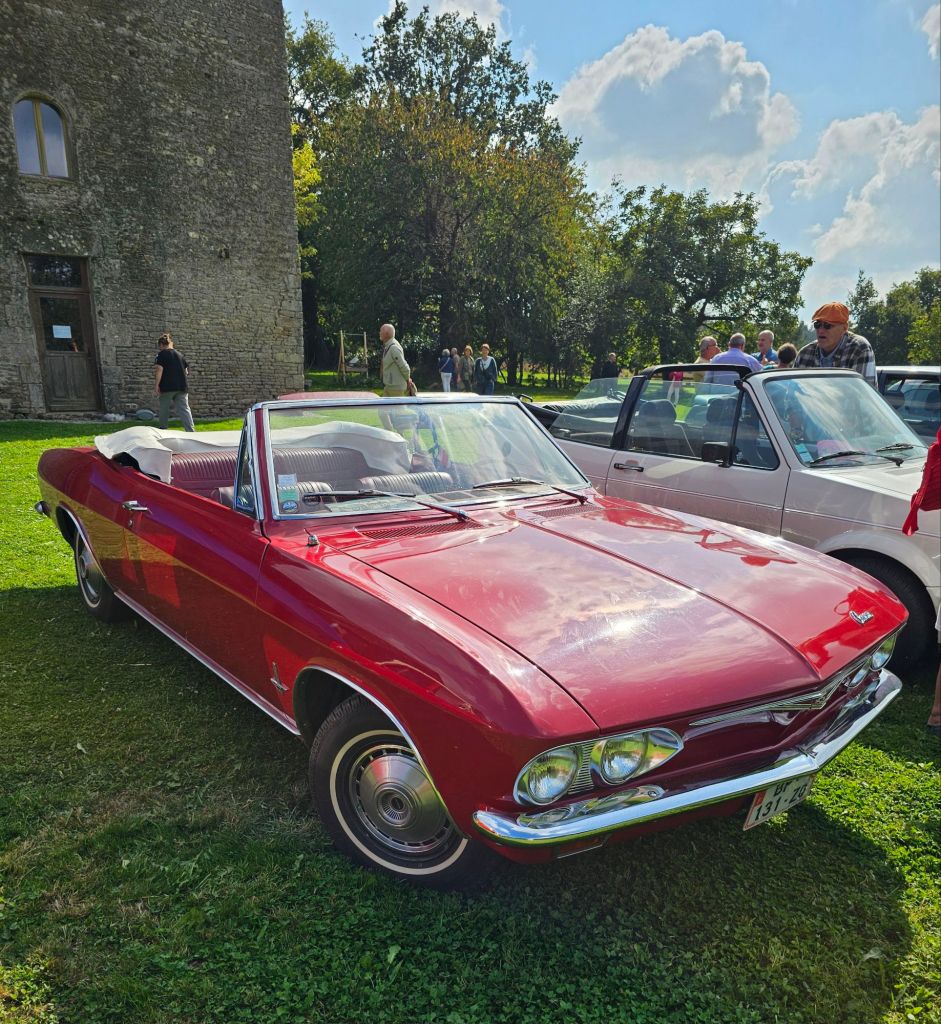
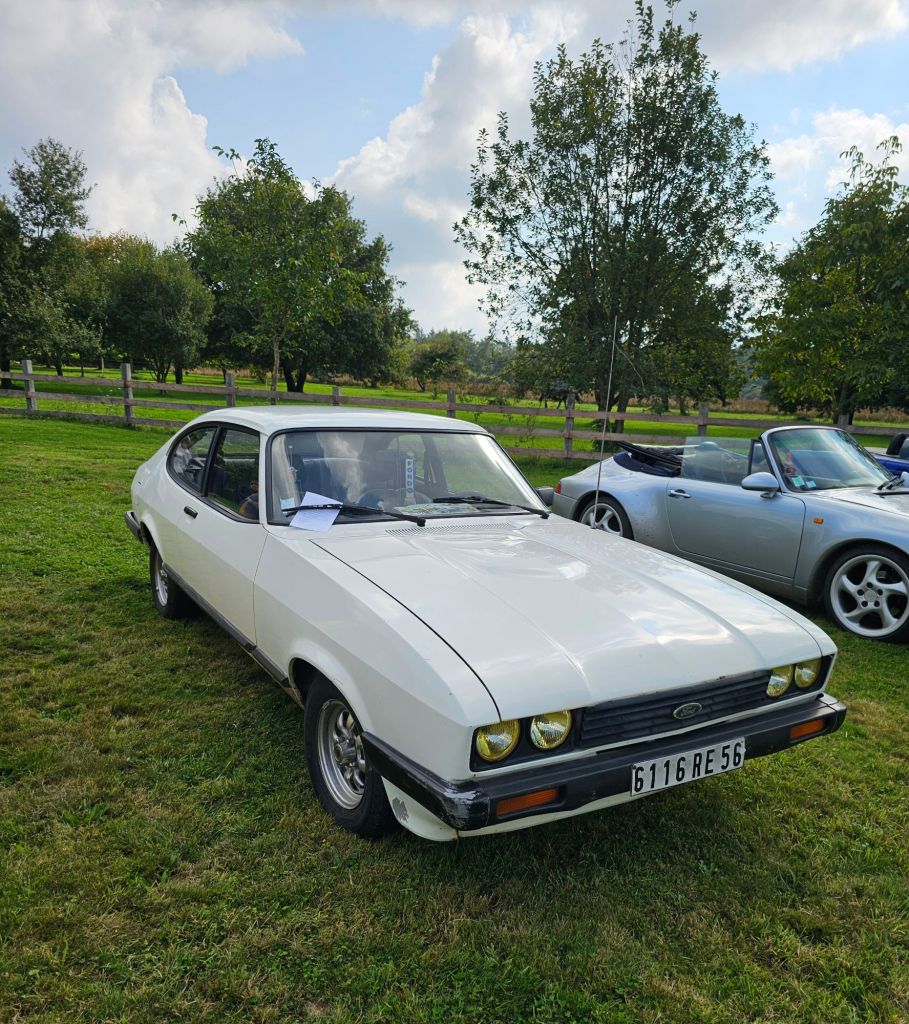

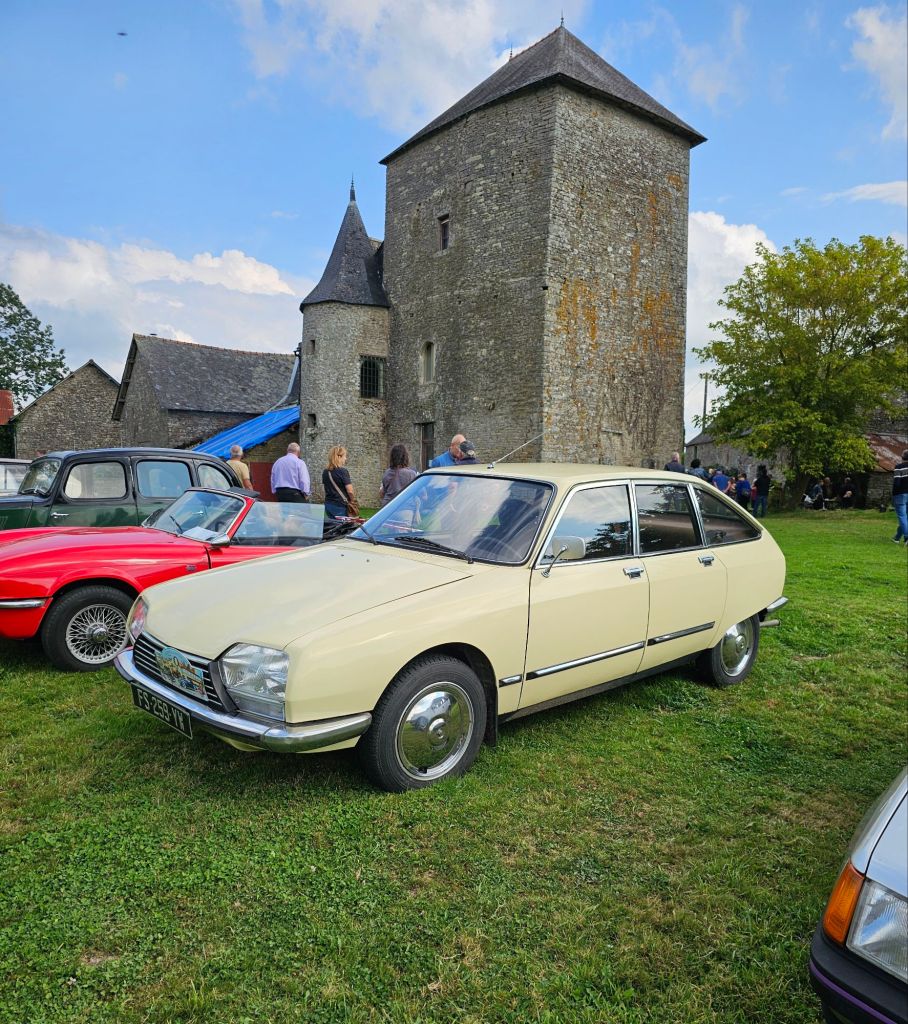


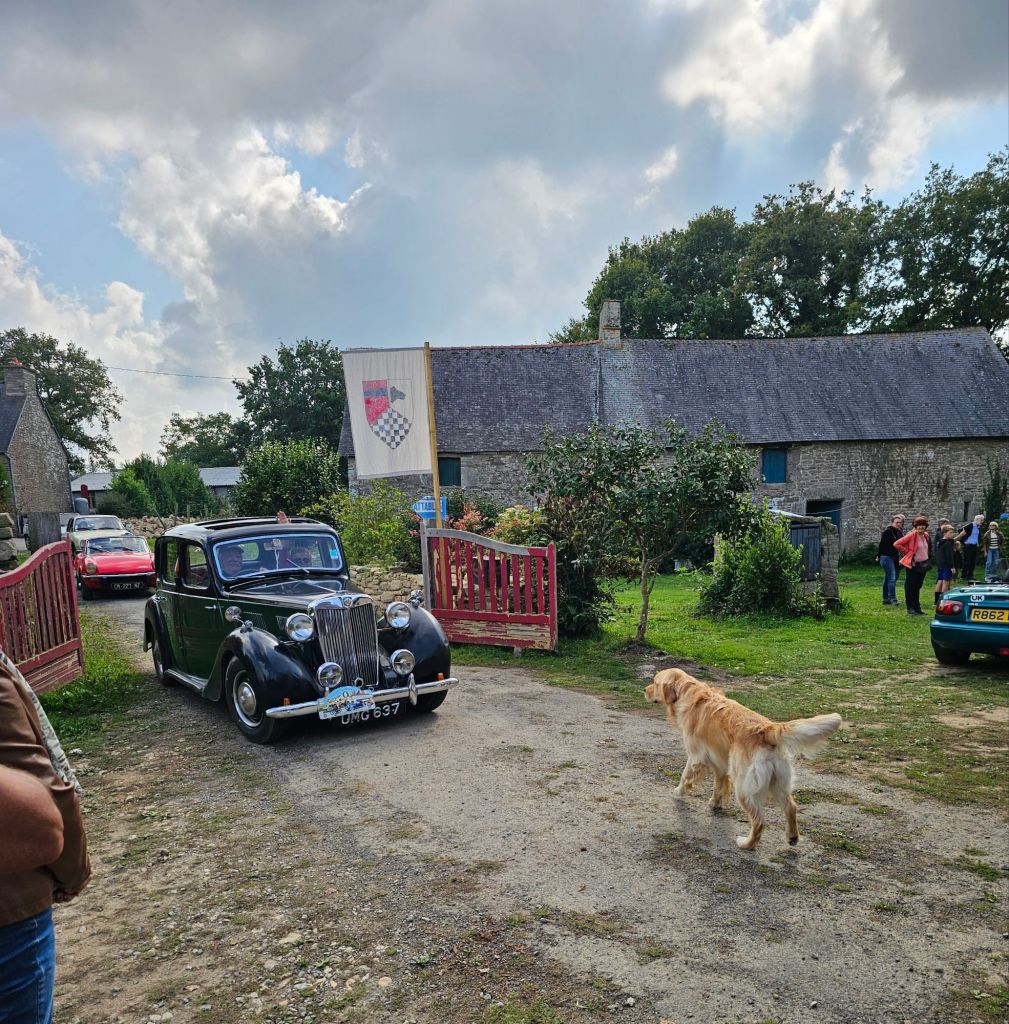
This was a nice afternoon in the country, I have to say my French struggled a bit with the vocabulary around restoring ancient buildings!
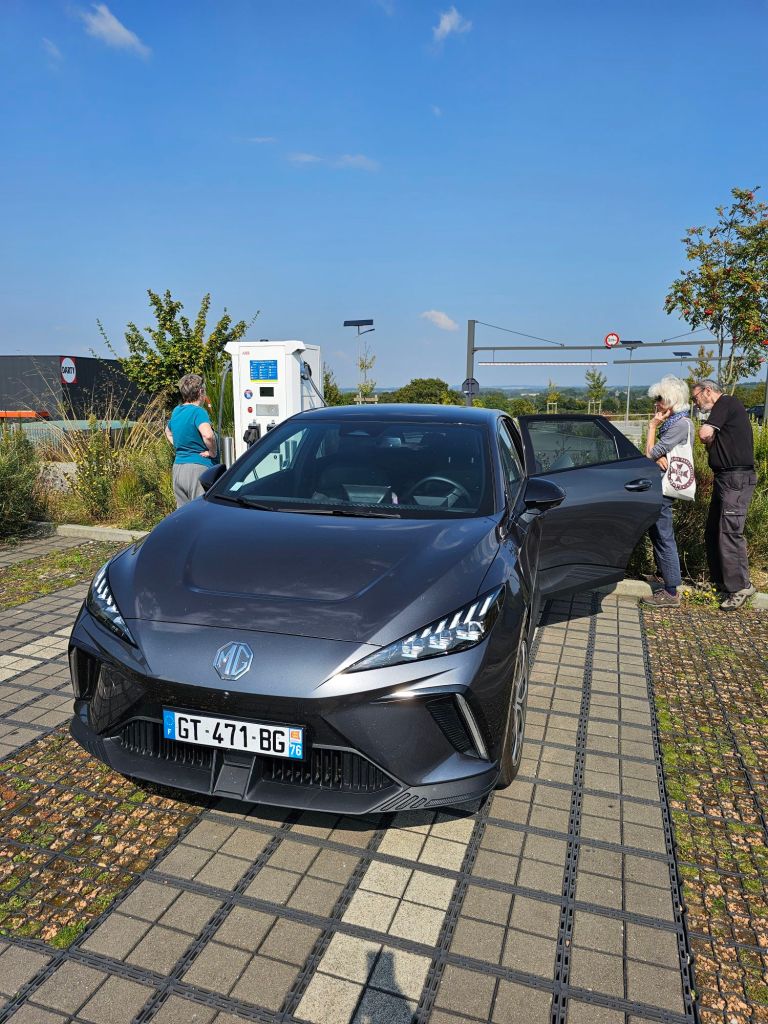
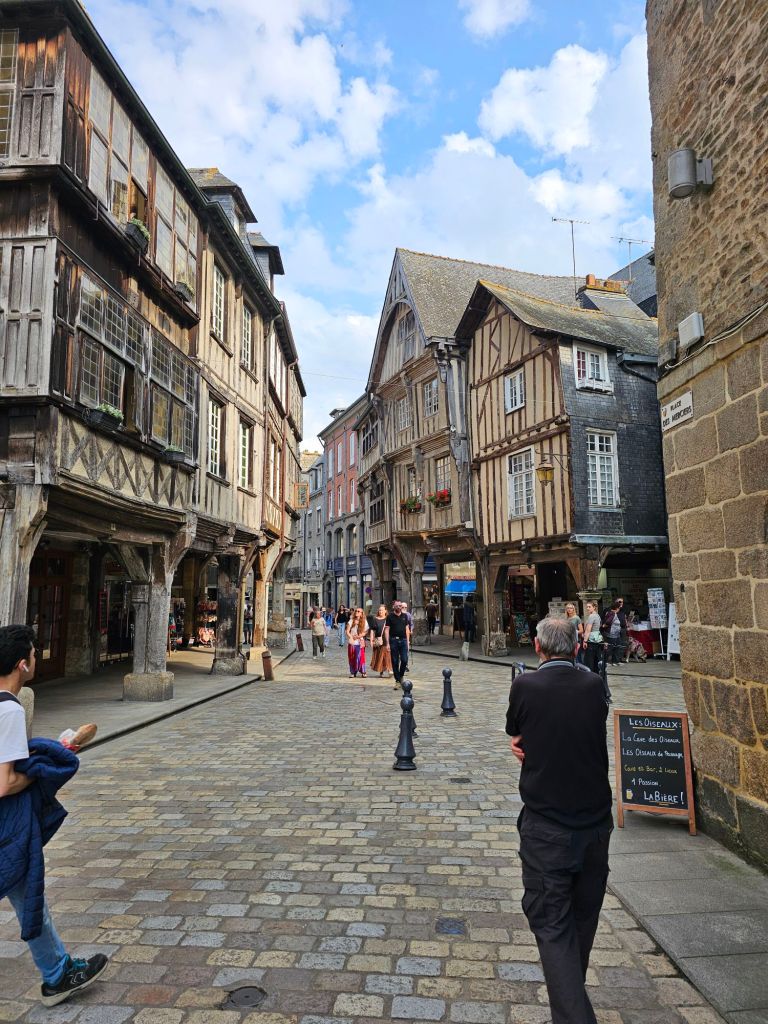
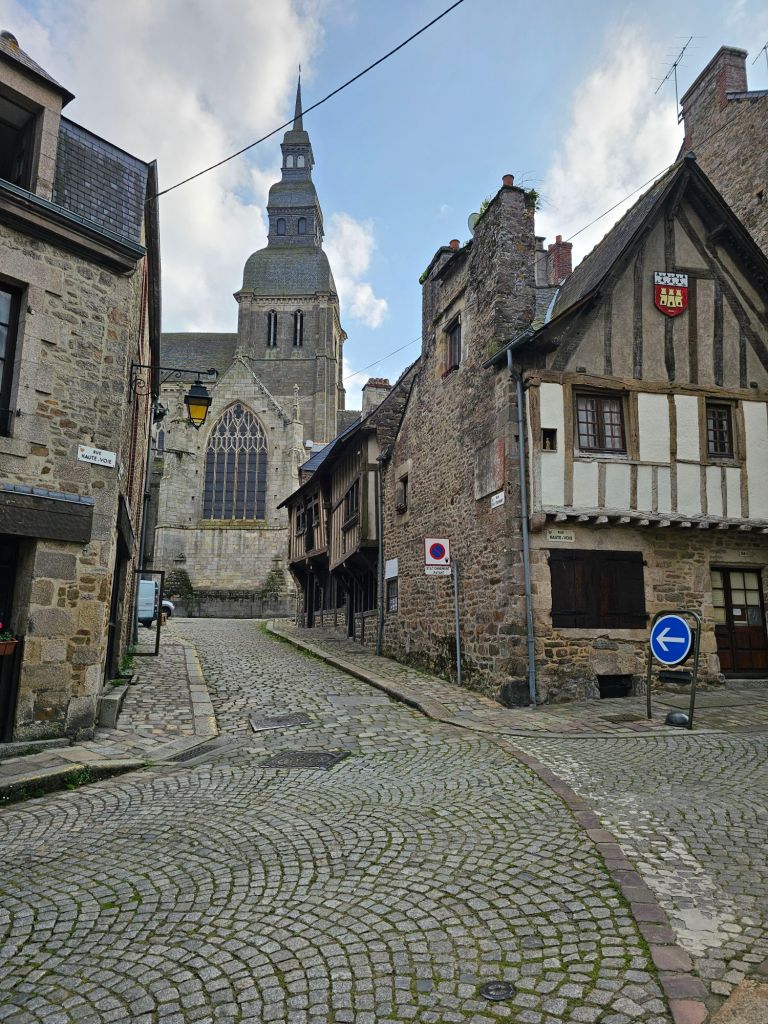
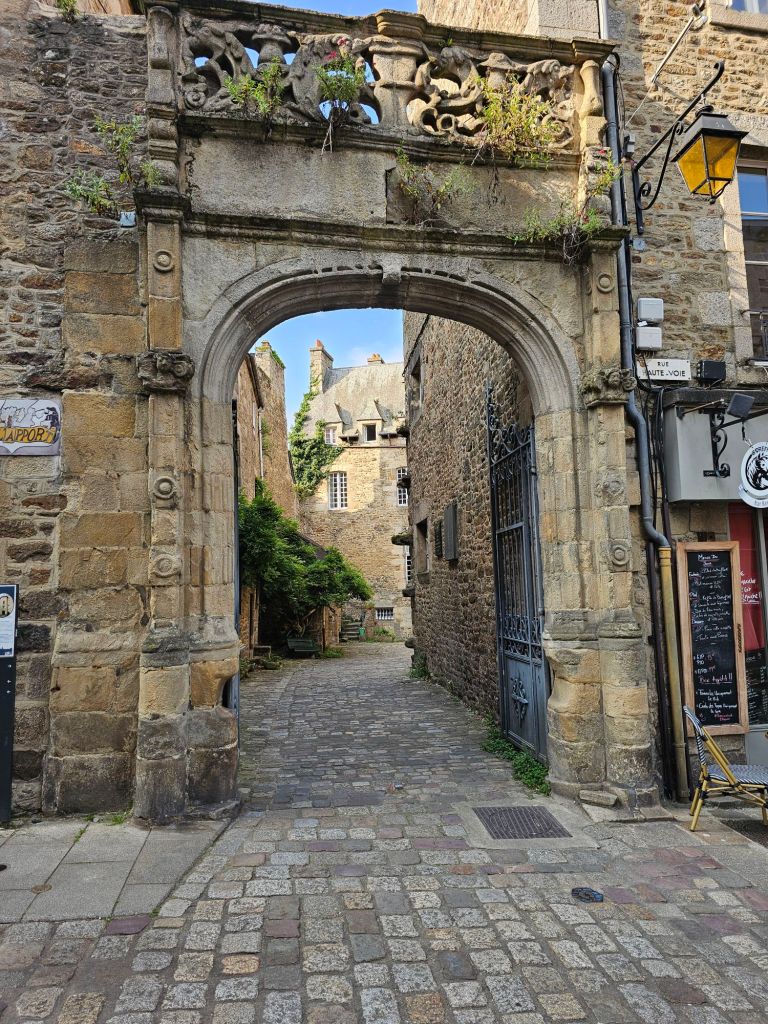
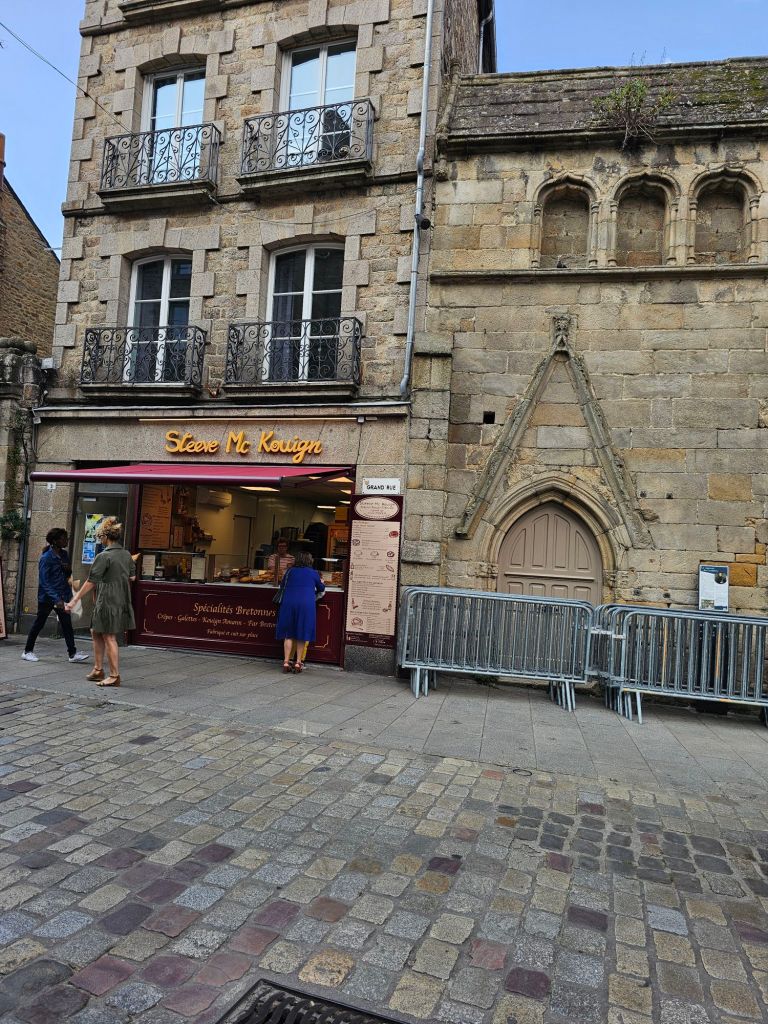
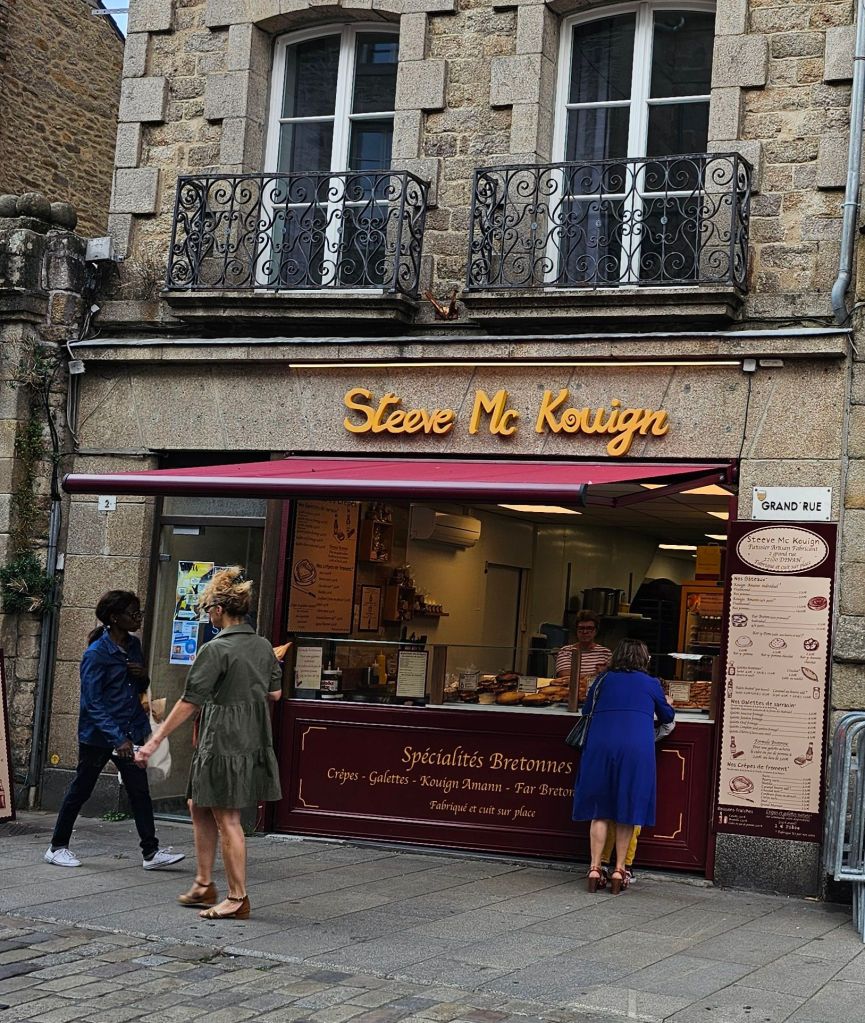
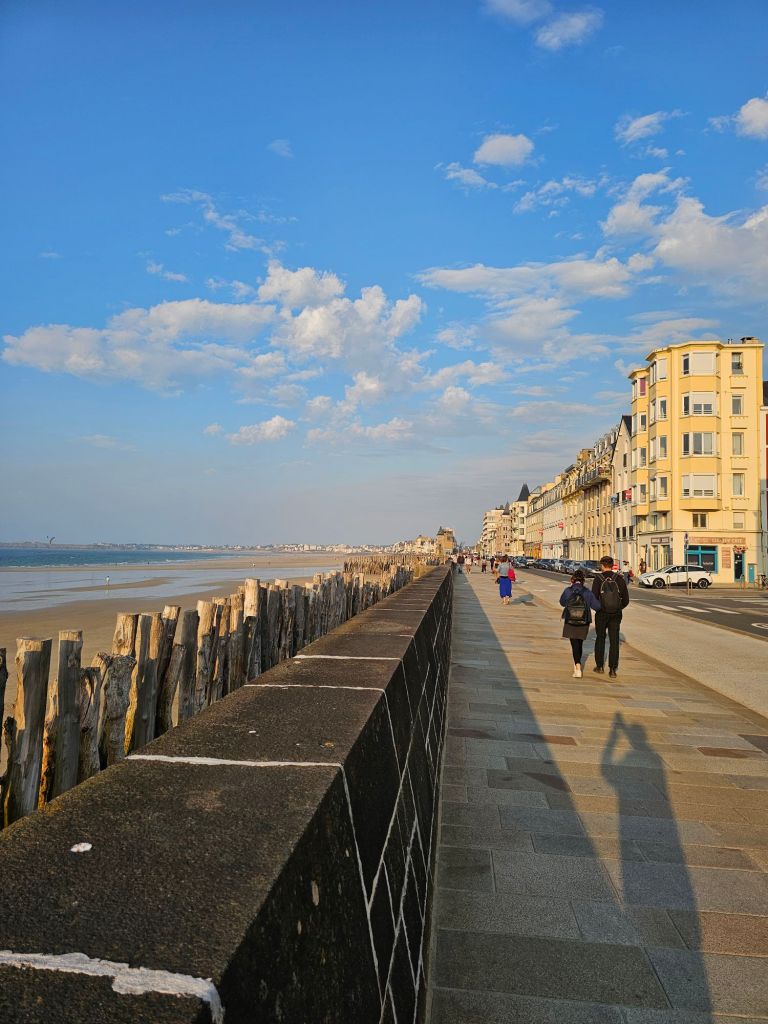
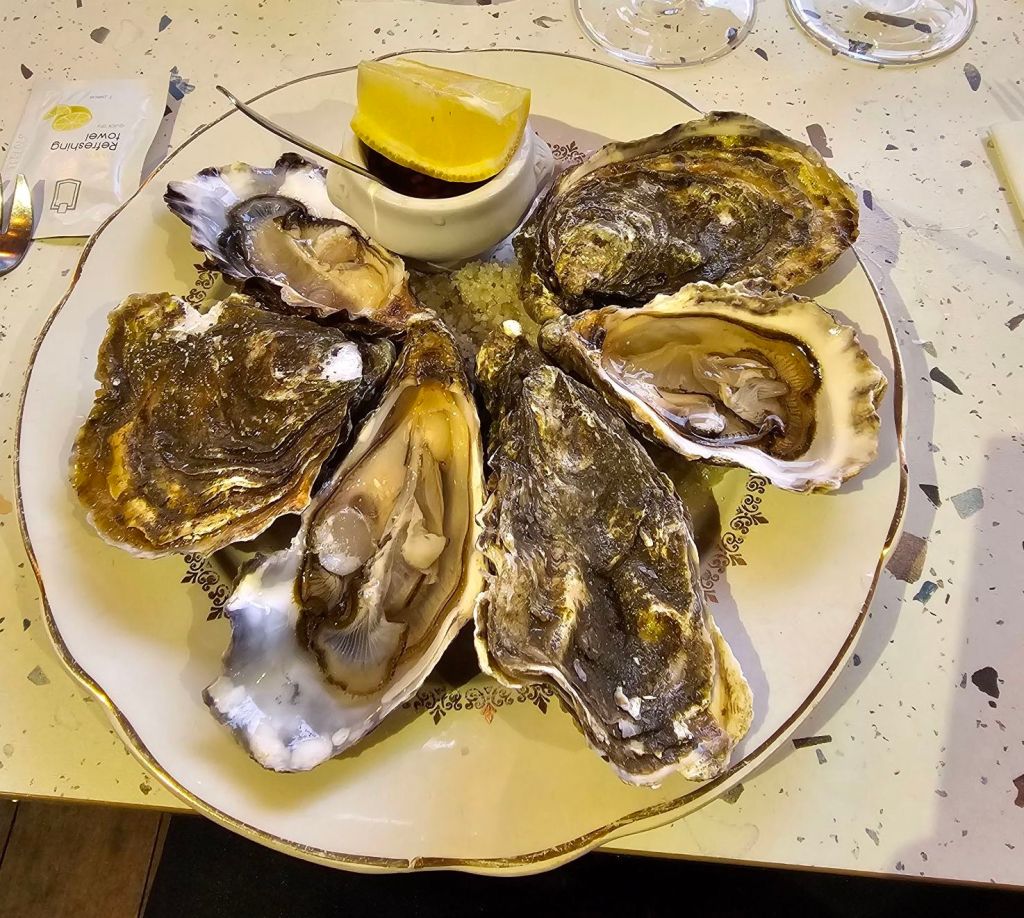
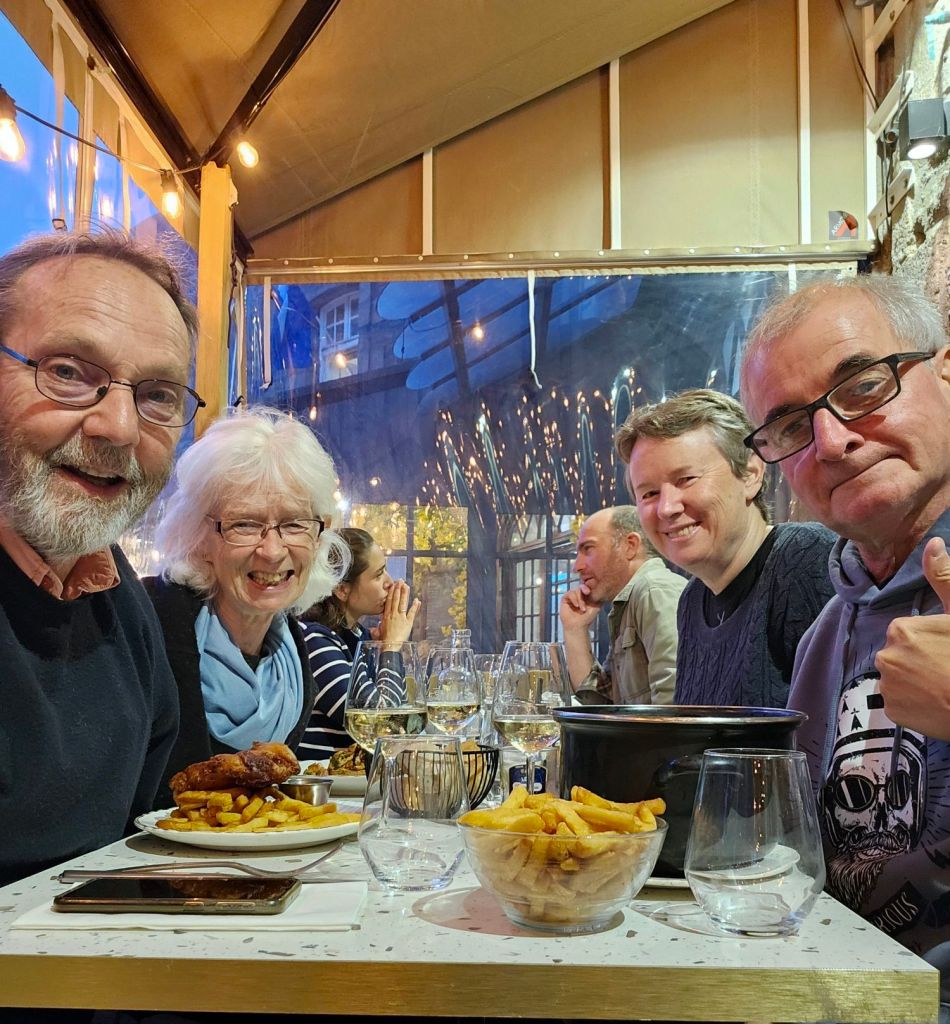
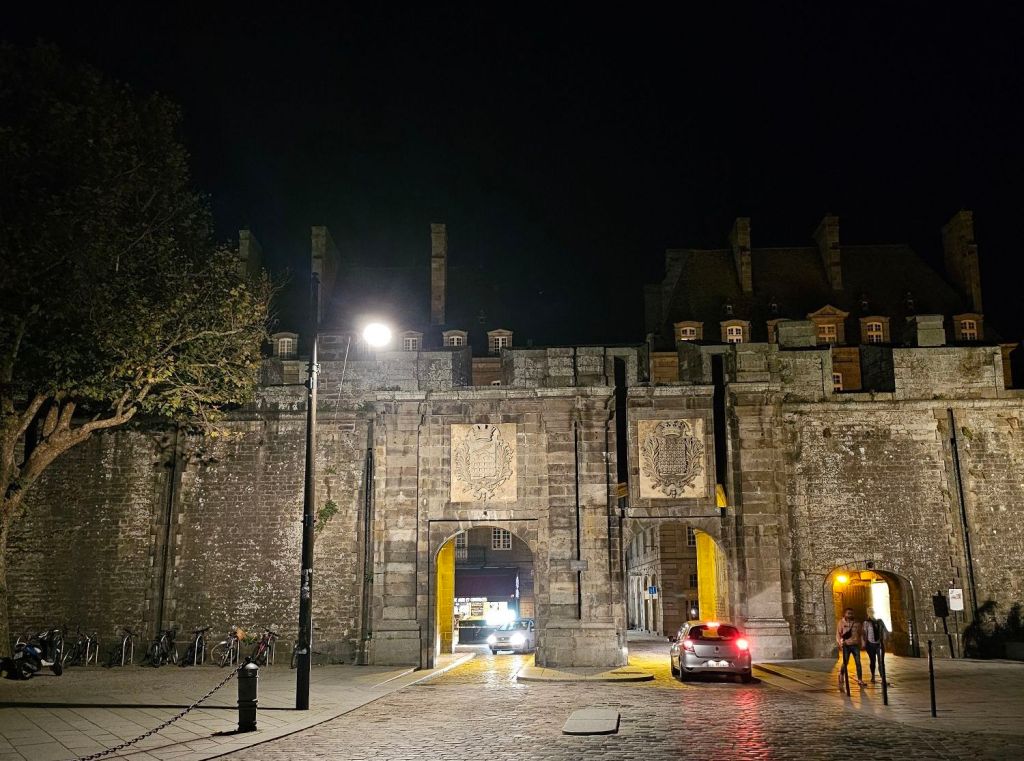
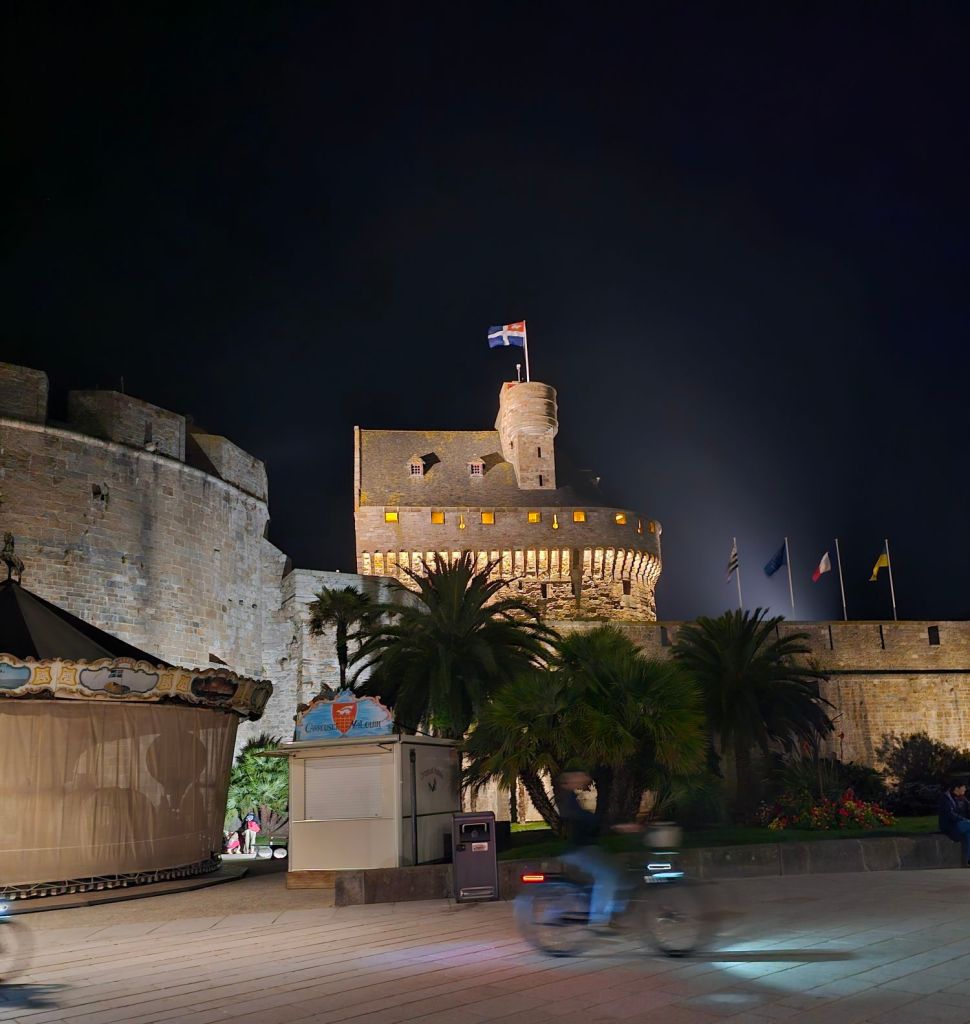
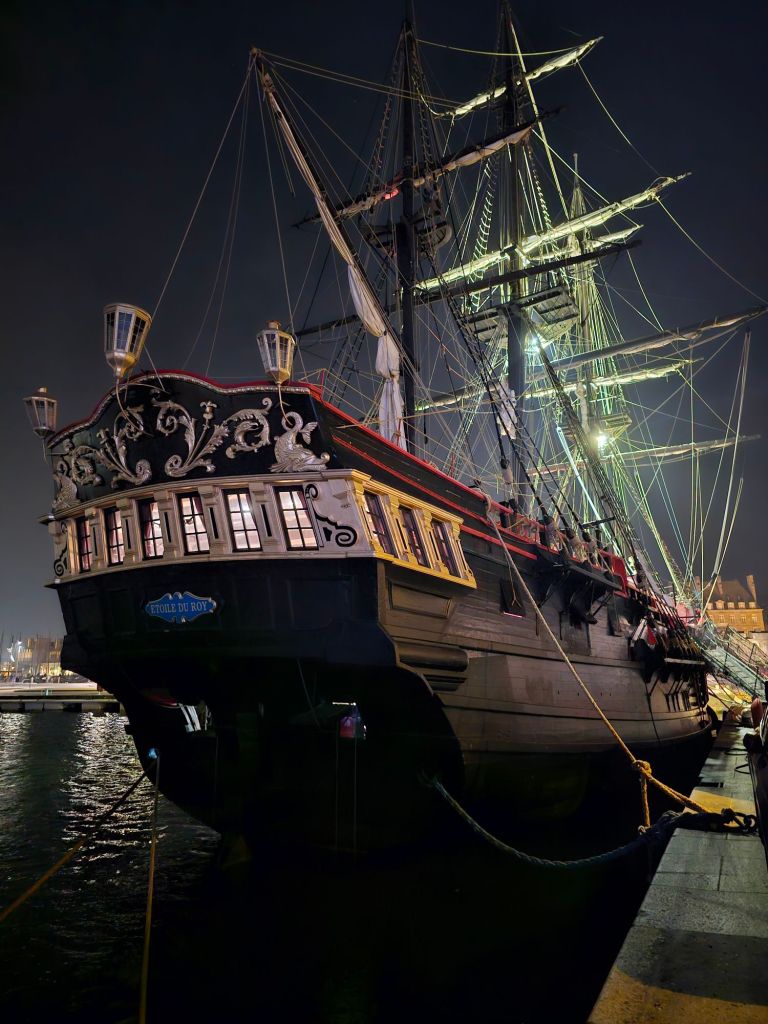
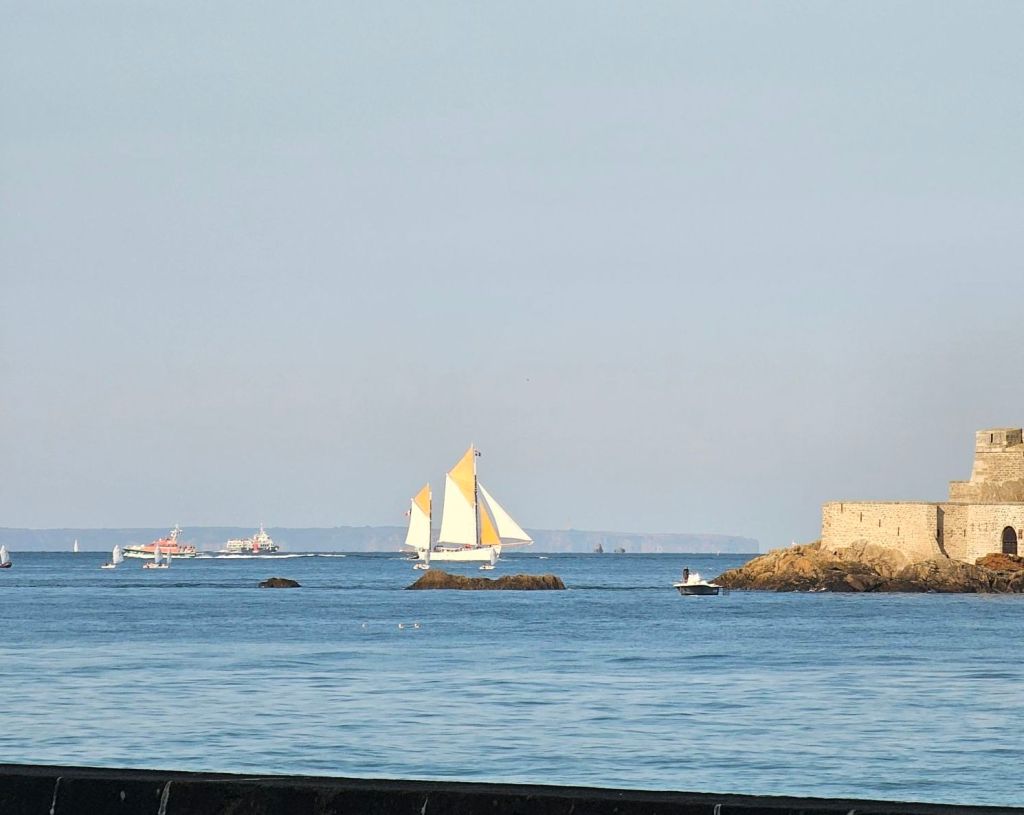
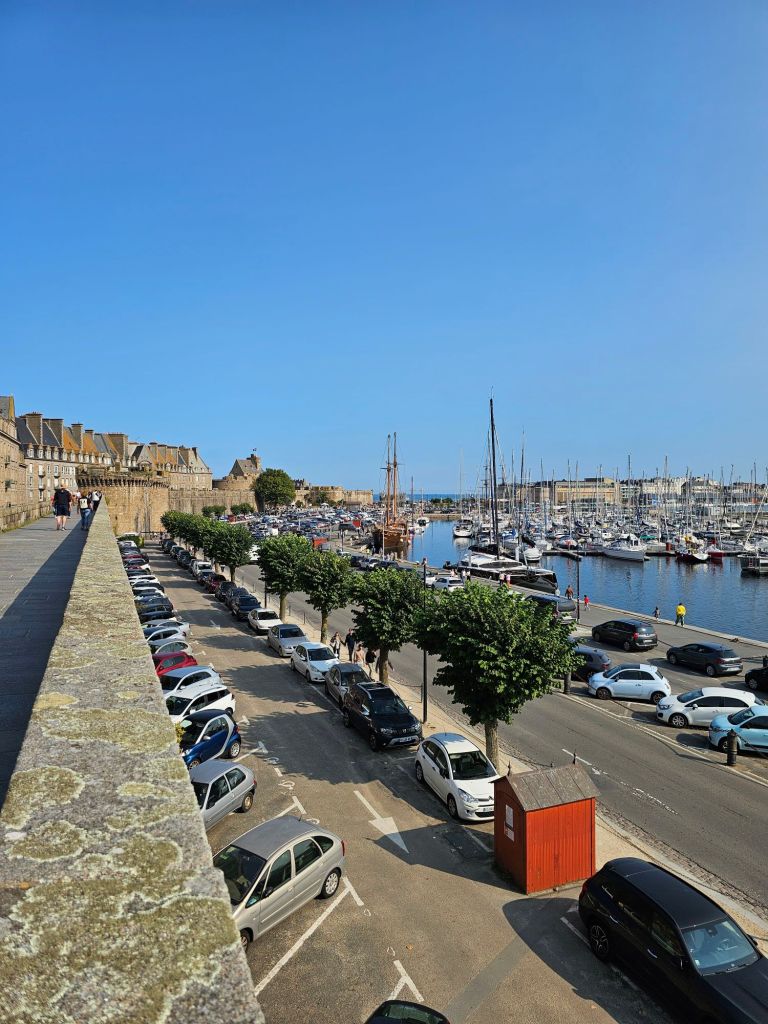
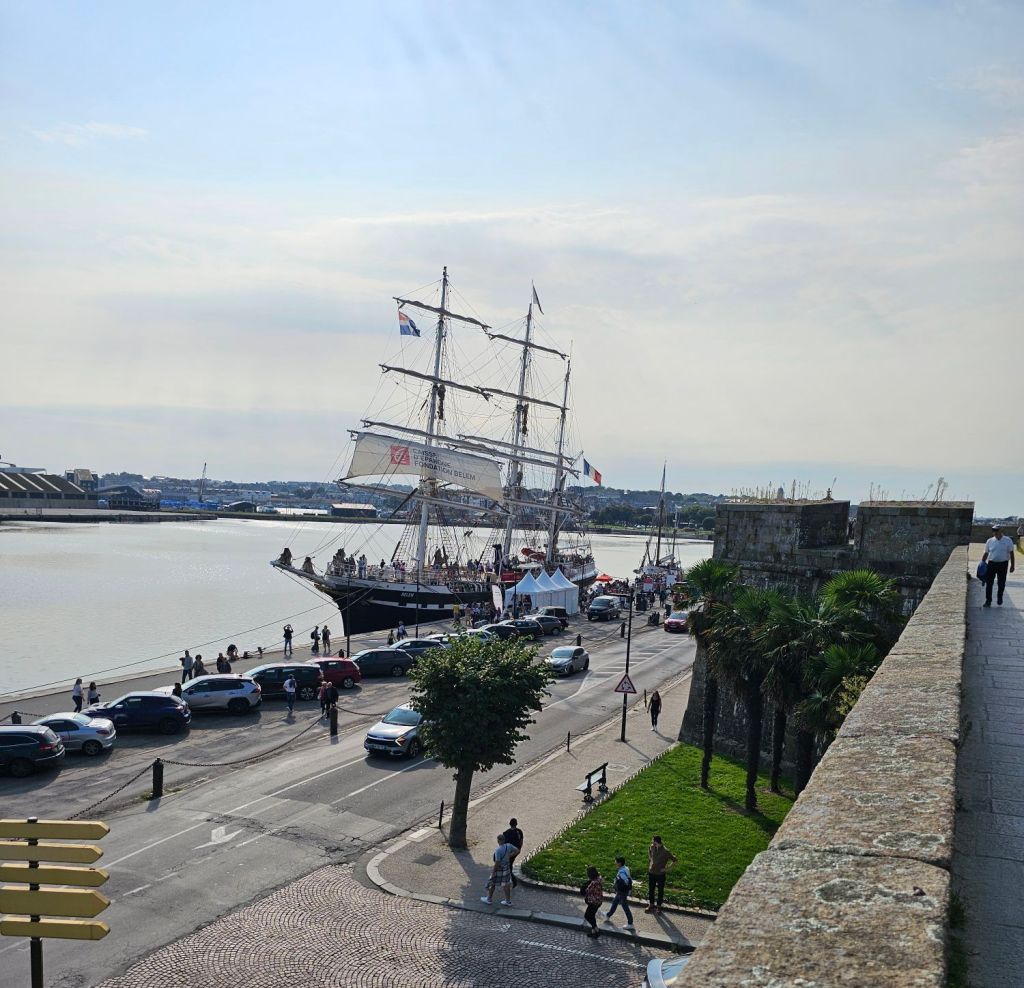
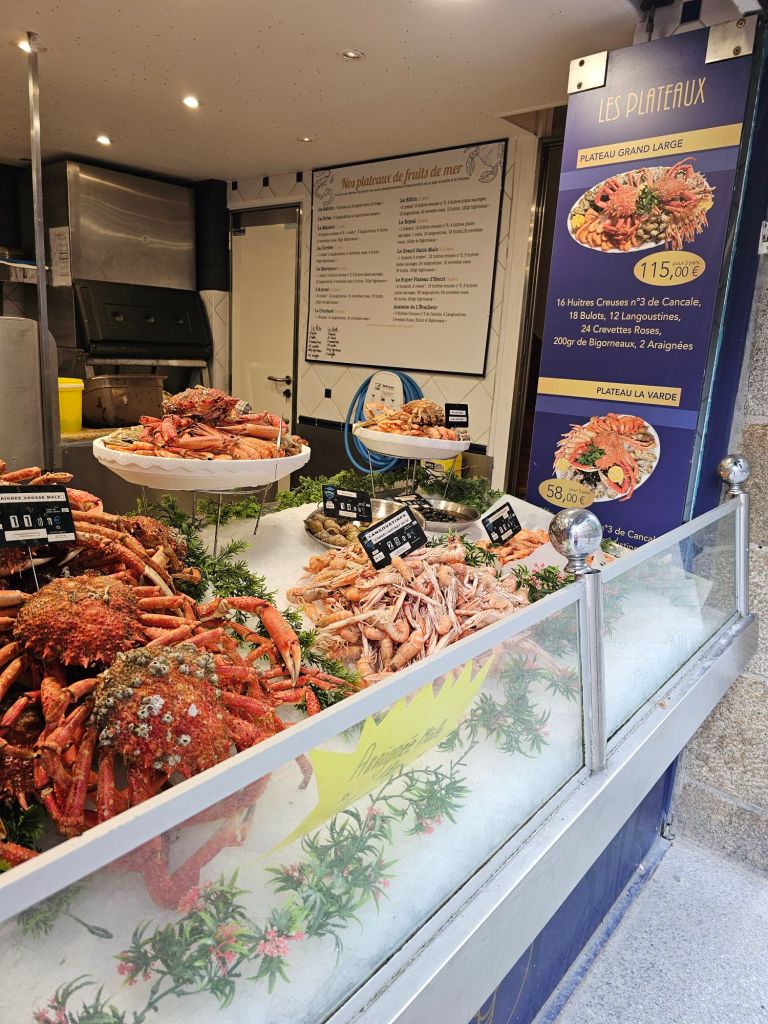
We dropped Lucy and David off in St Malo, they’re catching the Brittany Ferries boat to Southport. It was very nice to have them staying and to be able to show them around Josselin and some of the surrounding area. Thanks for your visit you two! Great to see you again.
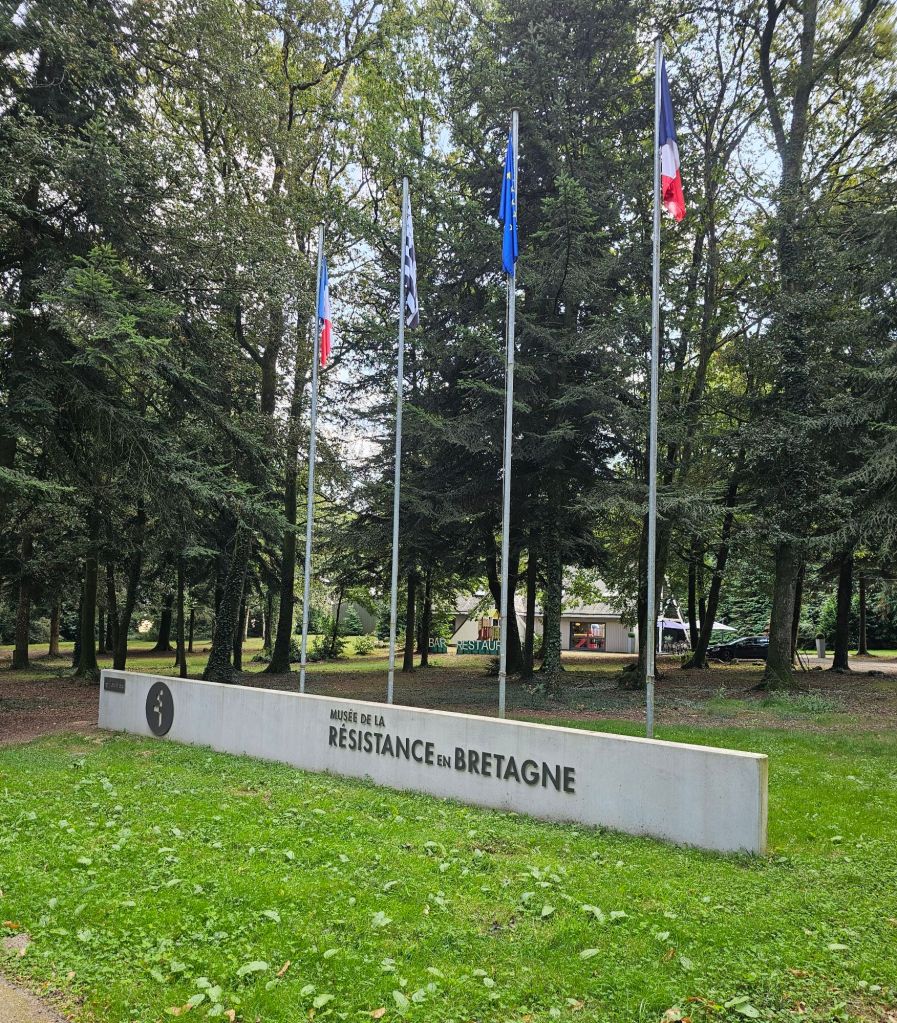
We’ve been to this museum several times since we started coming to Josselin, but they’ve totally renewed it in 2021 and our visitors were keen to see it so we went there one afternoon. I was particularly struck by this exhibit titled “the eternal return of war” which I’ve translated below.
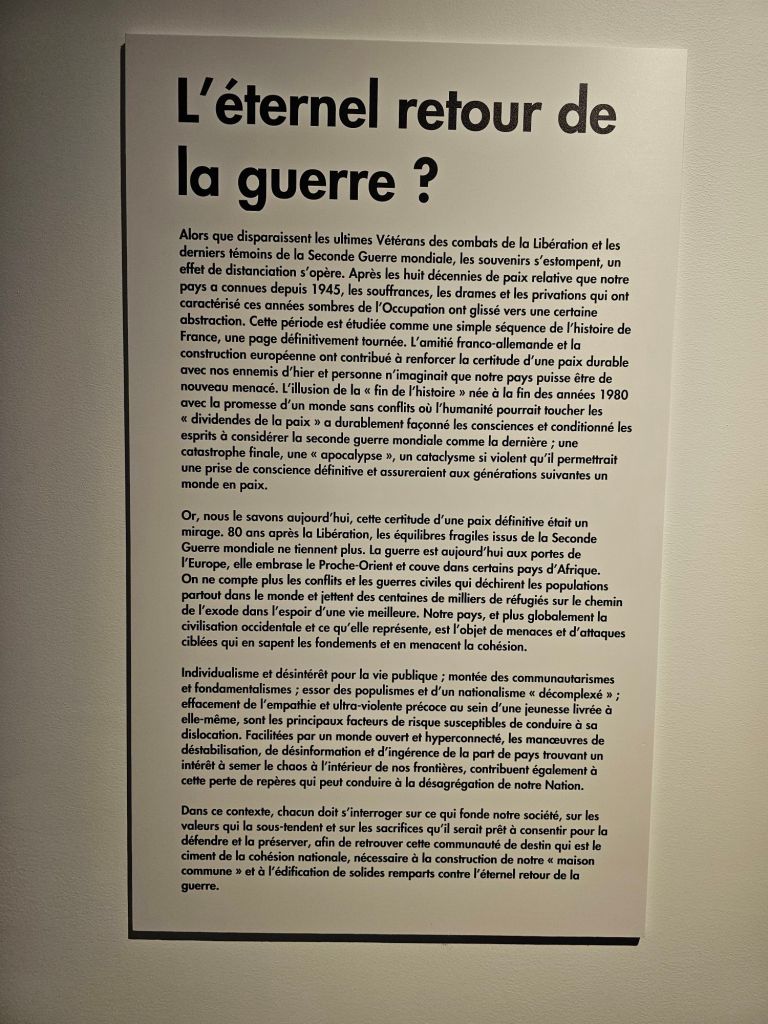
“The eternal return of war?
As the last veterans of the Liberation battles and the last witnesses of the Second World War disappear, memories fade, a distancing effect occurs. After the eight decades of relative peace that our country has known since 1945, the suffering, dramas and deprivations that characterized these dark years of the Occupation have slipped into a certain abstraction. This period is studied as a simple sequence in the history of France, a page definitively turned. Franco-German friendship and European construction have contributed to reinforcing the certainty of a lasting peace with our enemies of yesterday and no one imagined that our country could be threatened again. The illusion of the “end of history” born at the end of the 1980s with the promise of a world without conflicts where humanity could touch the “peace dividends” has lastingly shaped consciences and conditioned minds to consider the Second World War as the last; a final catastrophe, an “apocalypse”, a cataclysm so violent that it would allow a definitive awareness and would assure the following generations a world at peace.
However, we know today that this certainty of a definitive peace was a mirage. 80 years after the Liberation, the fragile balances resulting from the Second World War no longer hold. War is today at the gates of Europe, it is burning in the Middle East and smoldering in certain African countries. We have lost count of the conflicts and civil wars that are tearing populations apart all over the world and throwing hundreds of thousands of refugees on the path of exodus in the hope of a better life. Our country, and more generally Western civilization and what it represents, is the object of threats and targeted attacks that undermine its foundations and threaten its cohesion.
Individualism and disinterest in public life; rise of communitarianism and fundamentalism; rise of populism and an “uninhibited” nationalism; erasure of empathy and early ultra-violence among a youth left to its own devices, are the main risk factors likely to lead to its dislocation. Facilitated by an open and hyperconnected world, the maneuvers of destabilization, disinformation and interference on the part of countries finding an interest in sowing chaos within our borders, also contribute to this loss of bearings that can lead to the disintegration of our Nation.
In this context, everyone must question what our society is based on, the values that underpin it and the sacrifices they would be prepared to make to defend and preserve it, in order to rediscover this community of destiny which is the cement of national cohesion, necessary for the construction of our “common home” and the building of solid ramparts against the eternal return of war.”
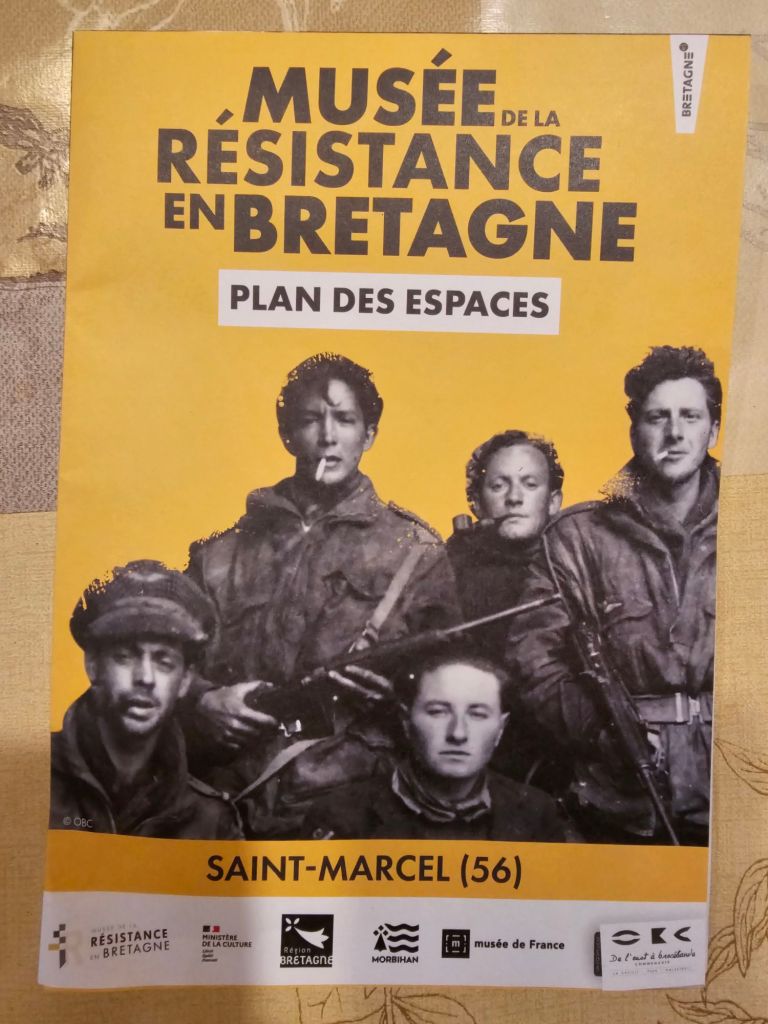
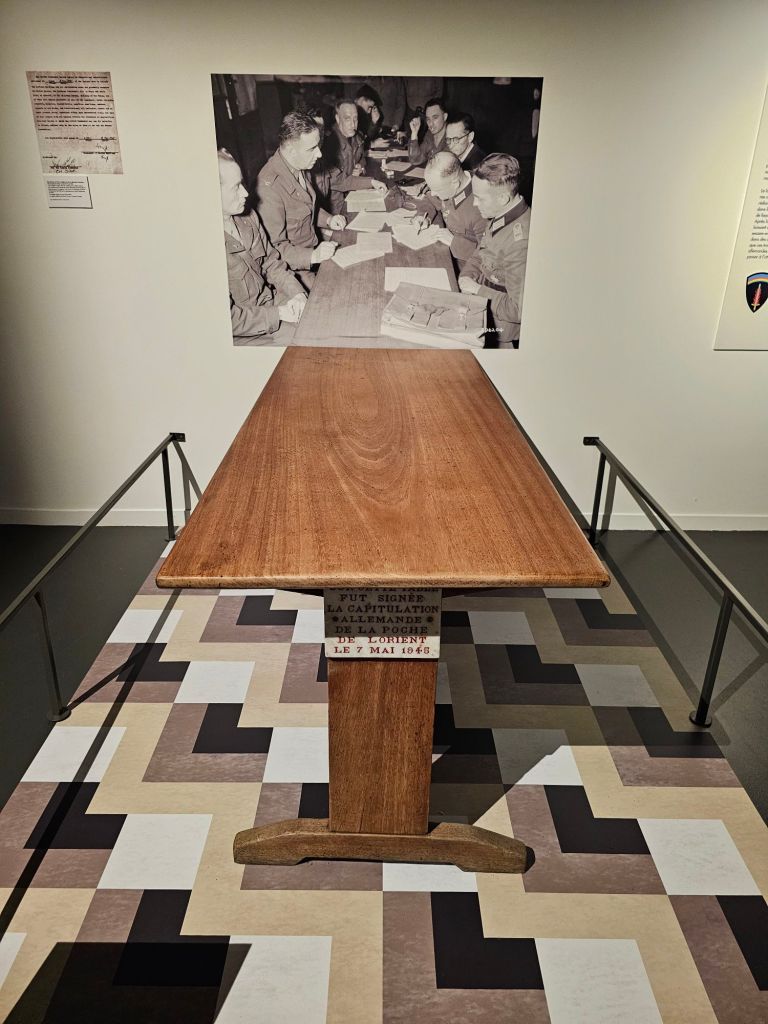
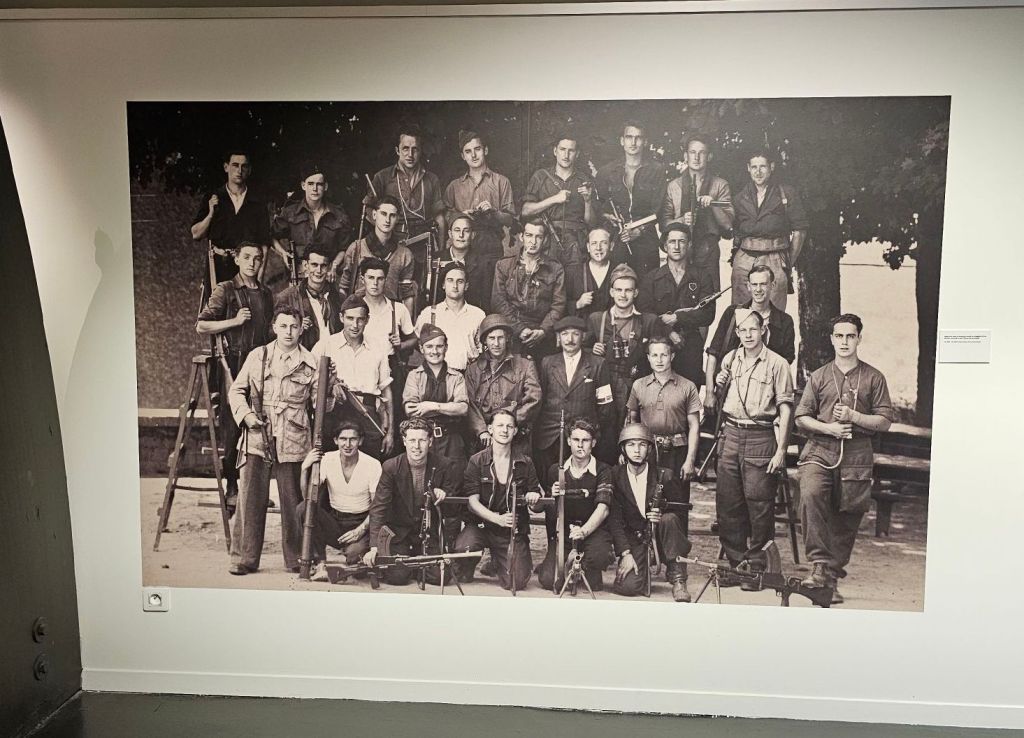
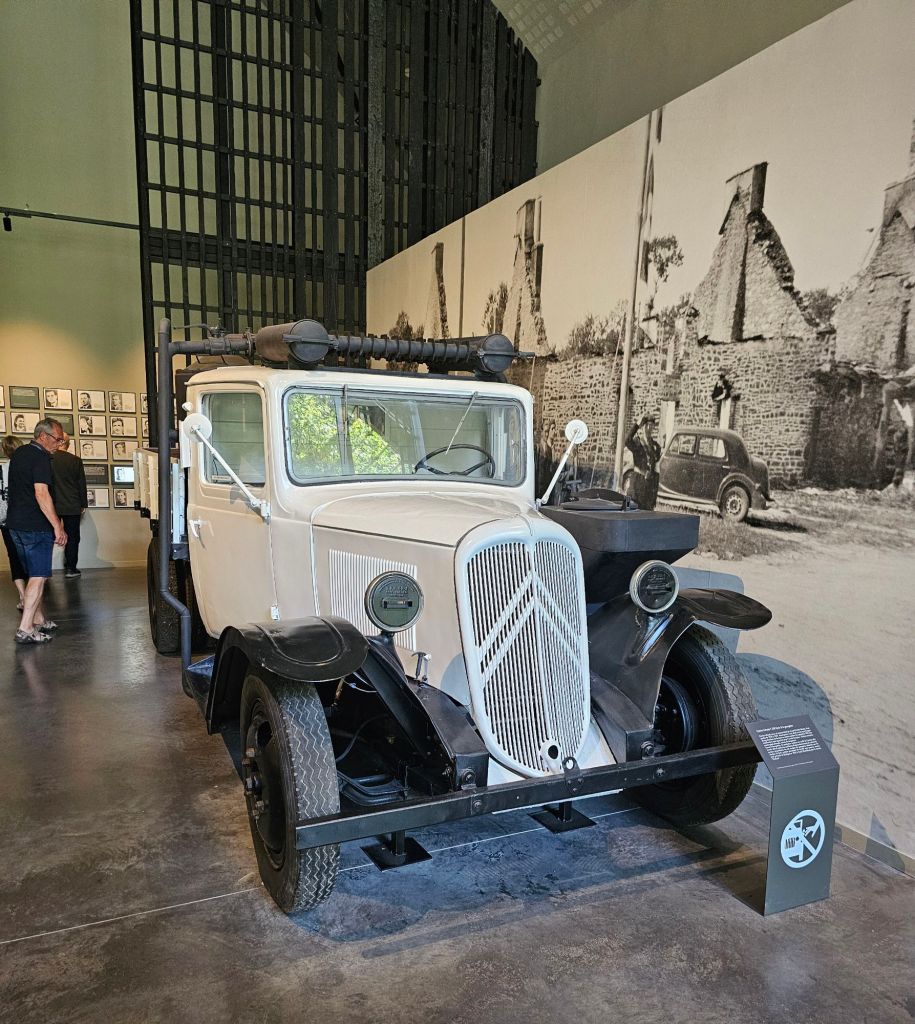
The museum has a lot of displays, interviews with surviving members of the local resistance, German and US vehicles and a history of the war as it affected Brittany, it’s rather somber but very well done. Well worth a visit.
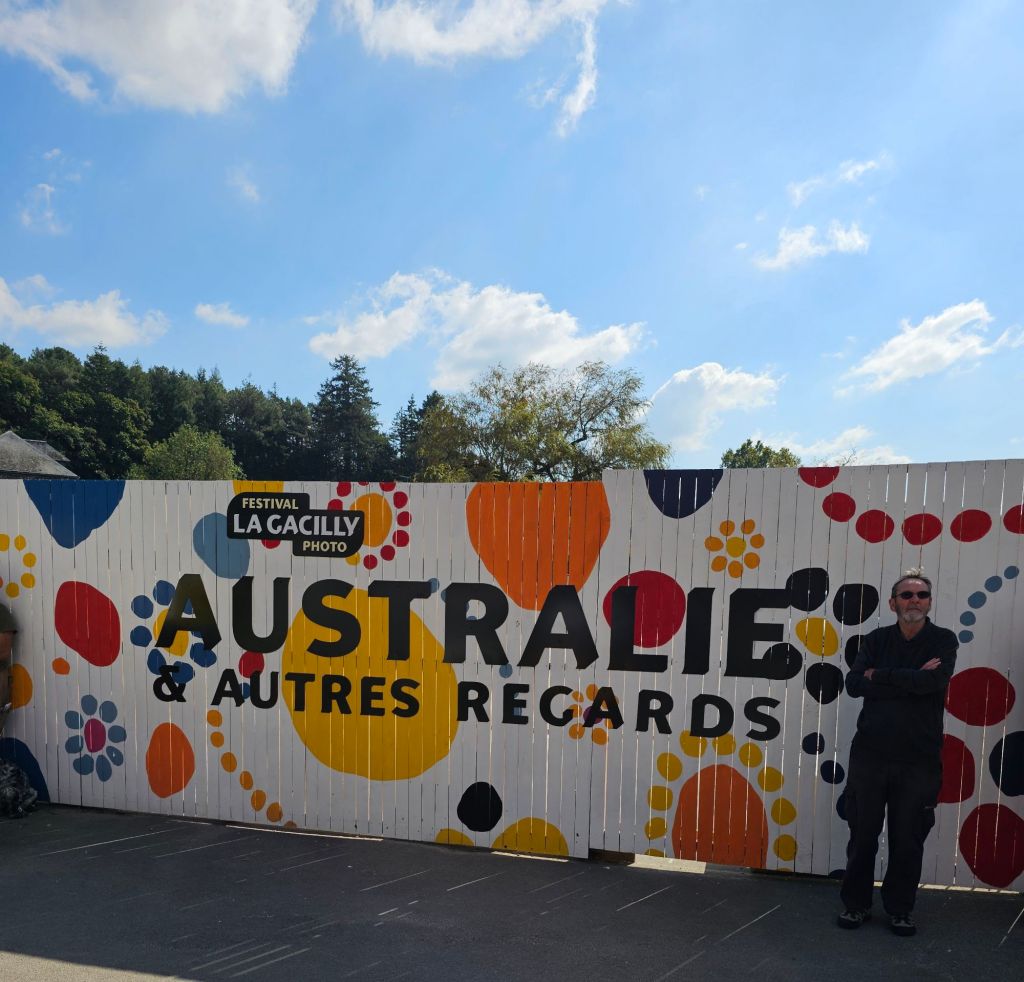
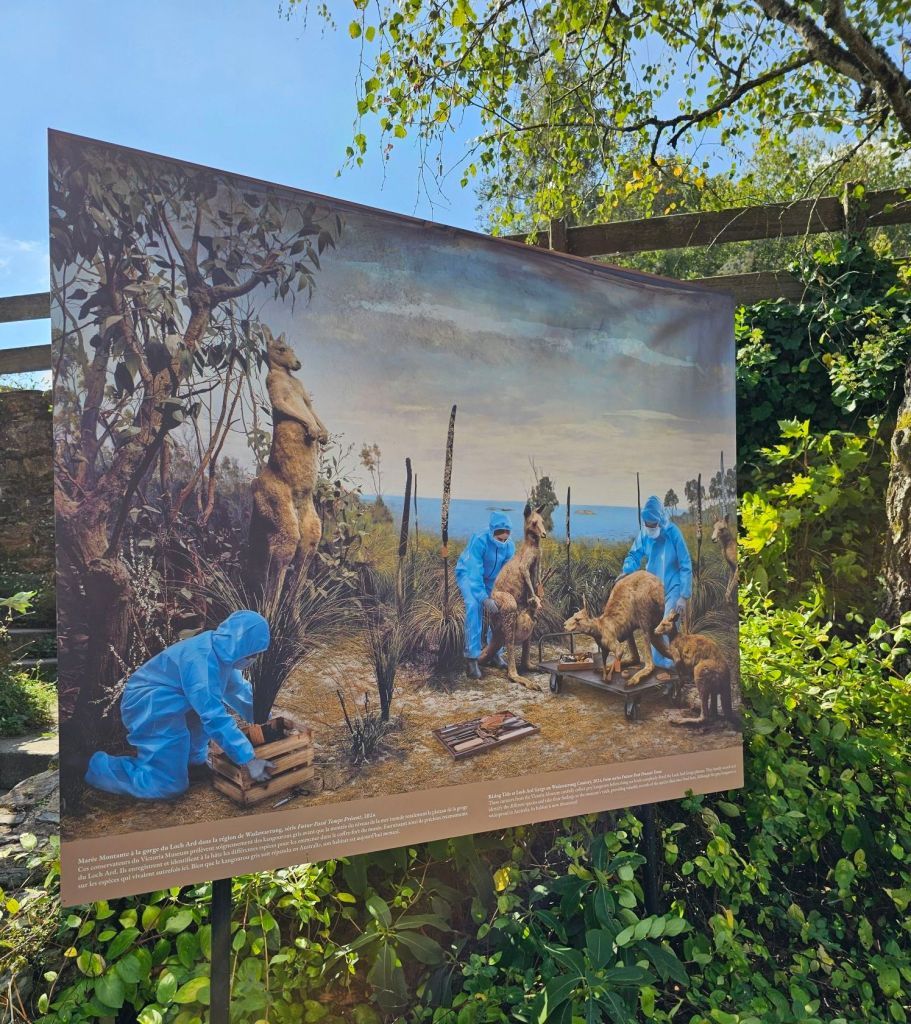
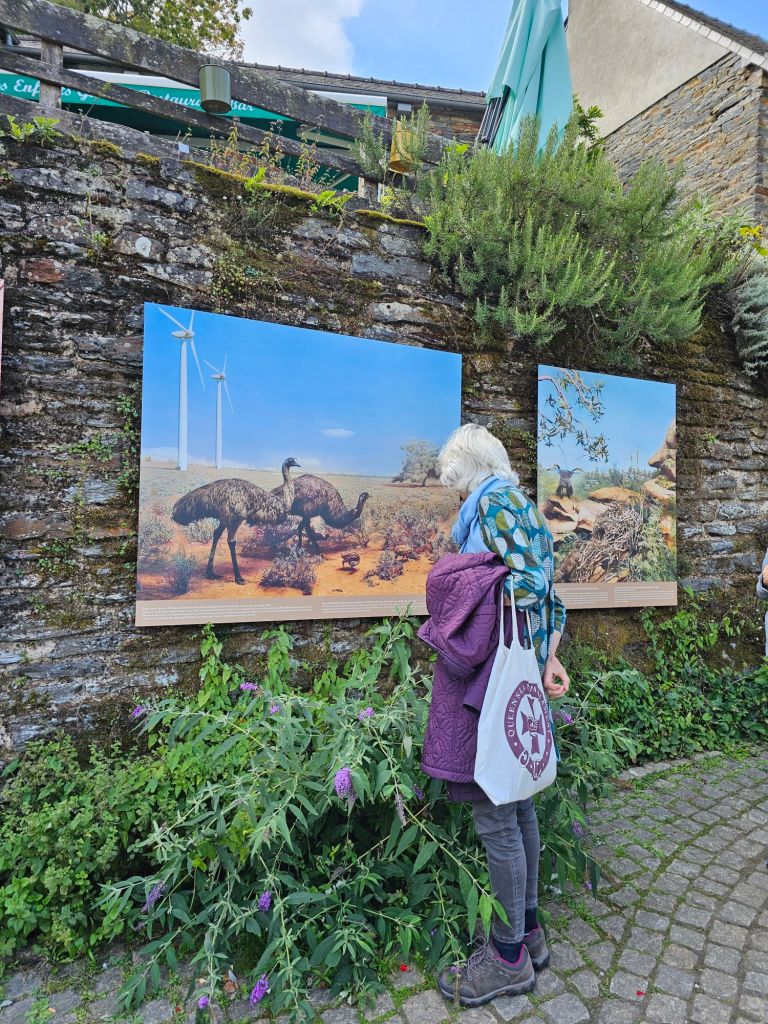
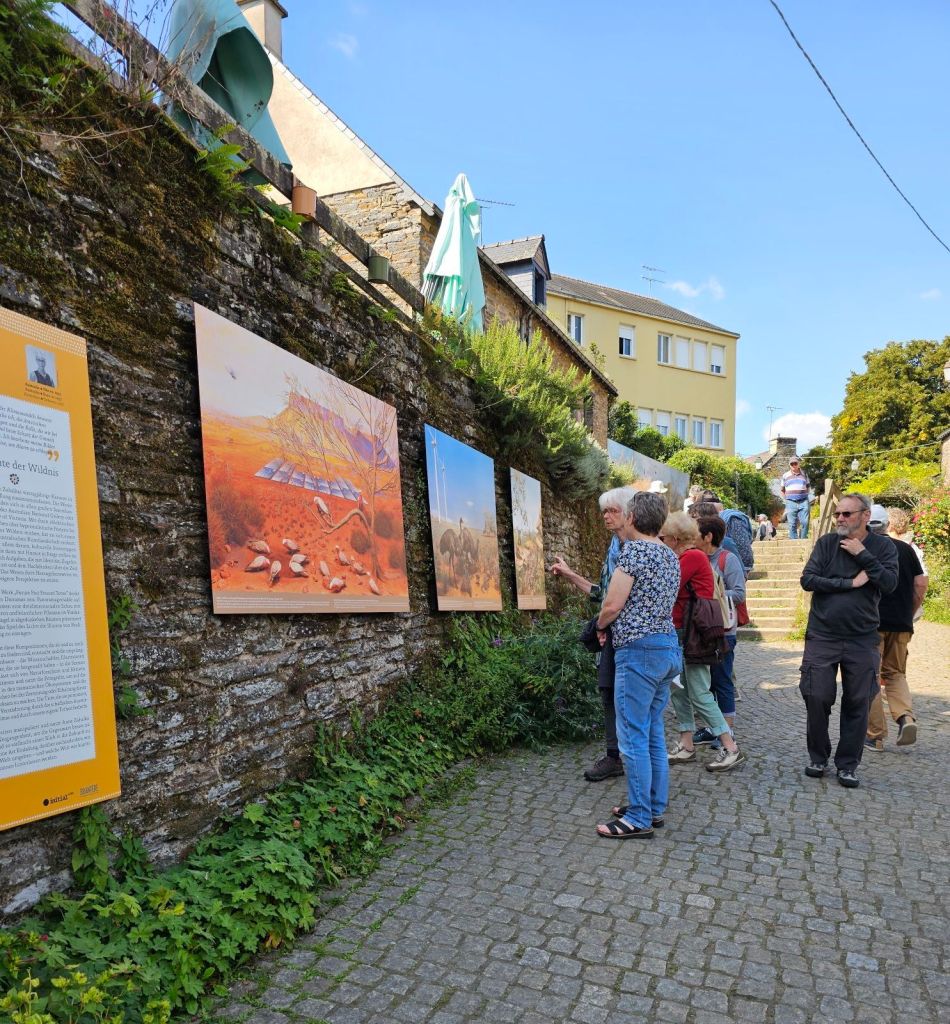
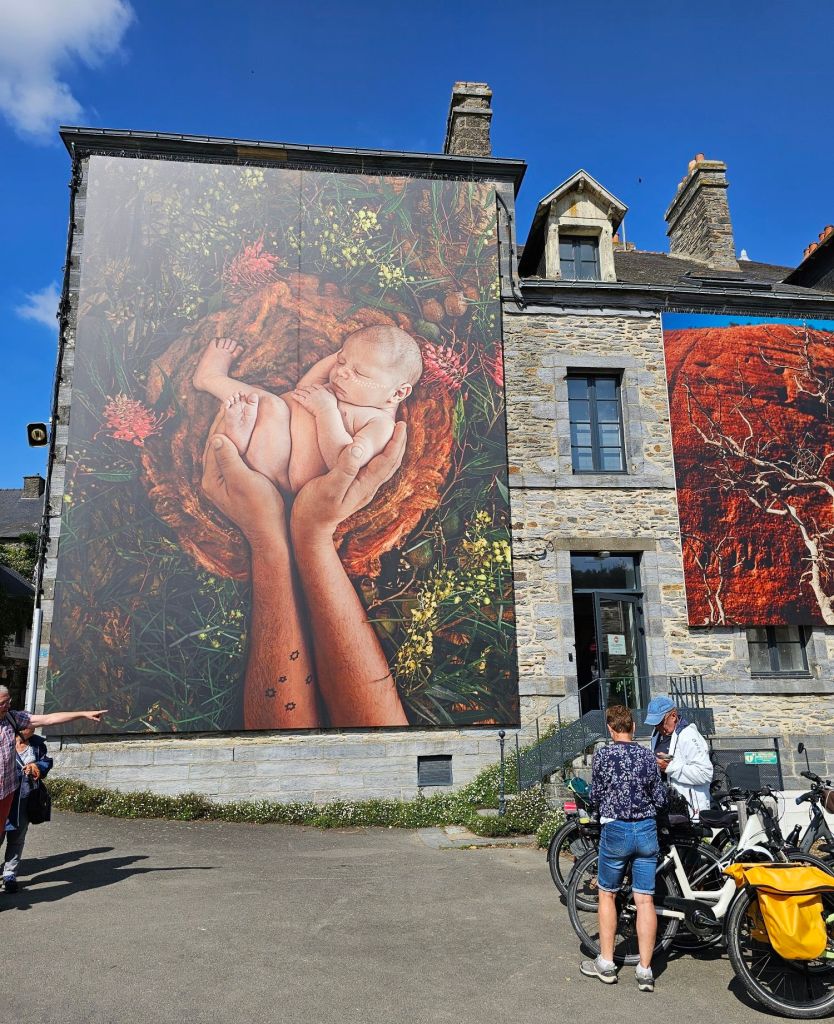
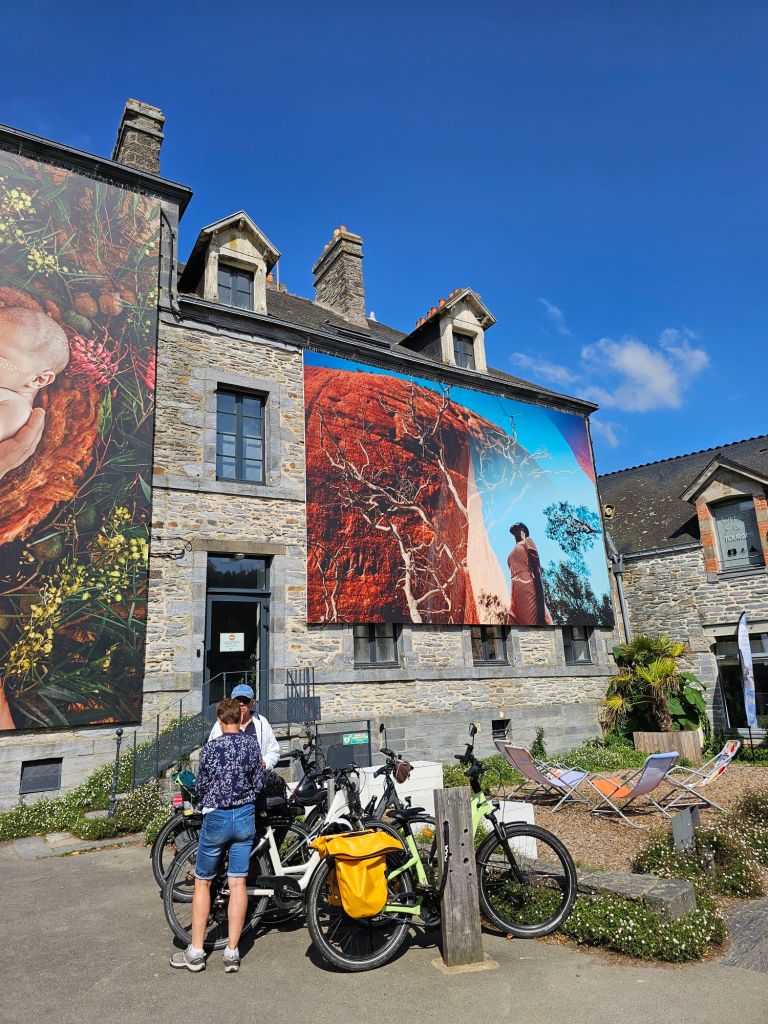
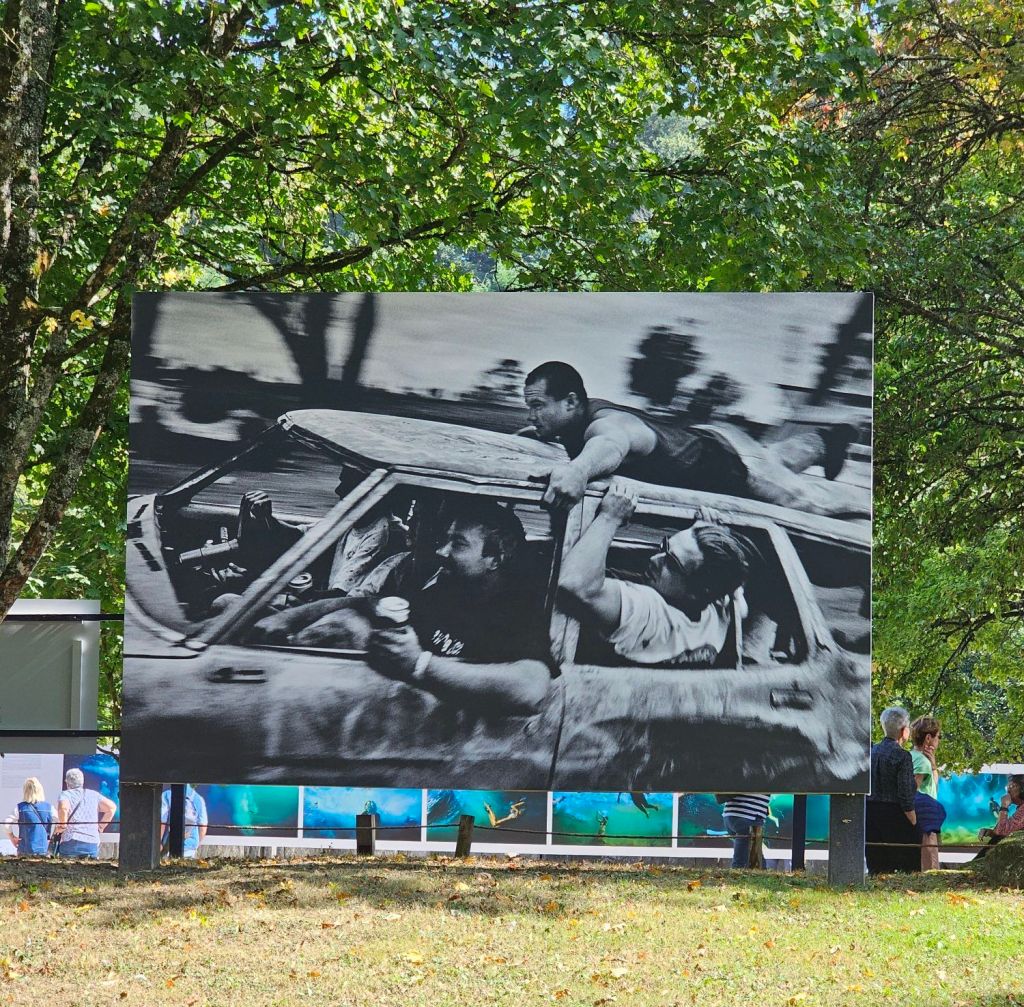
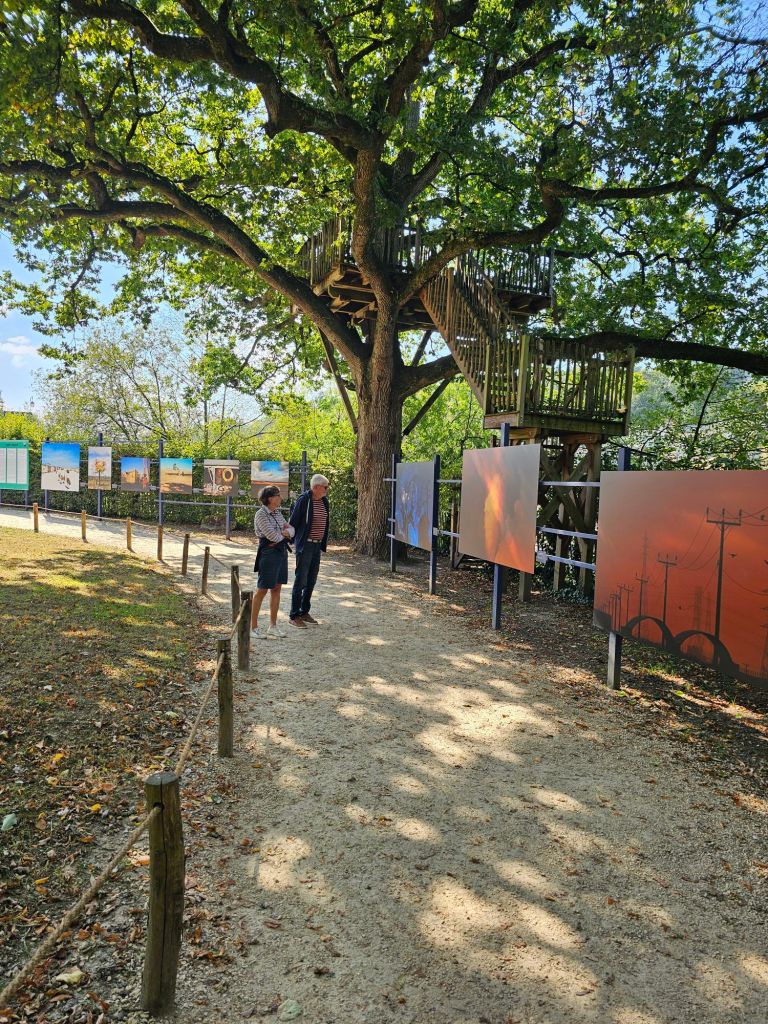
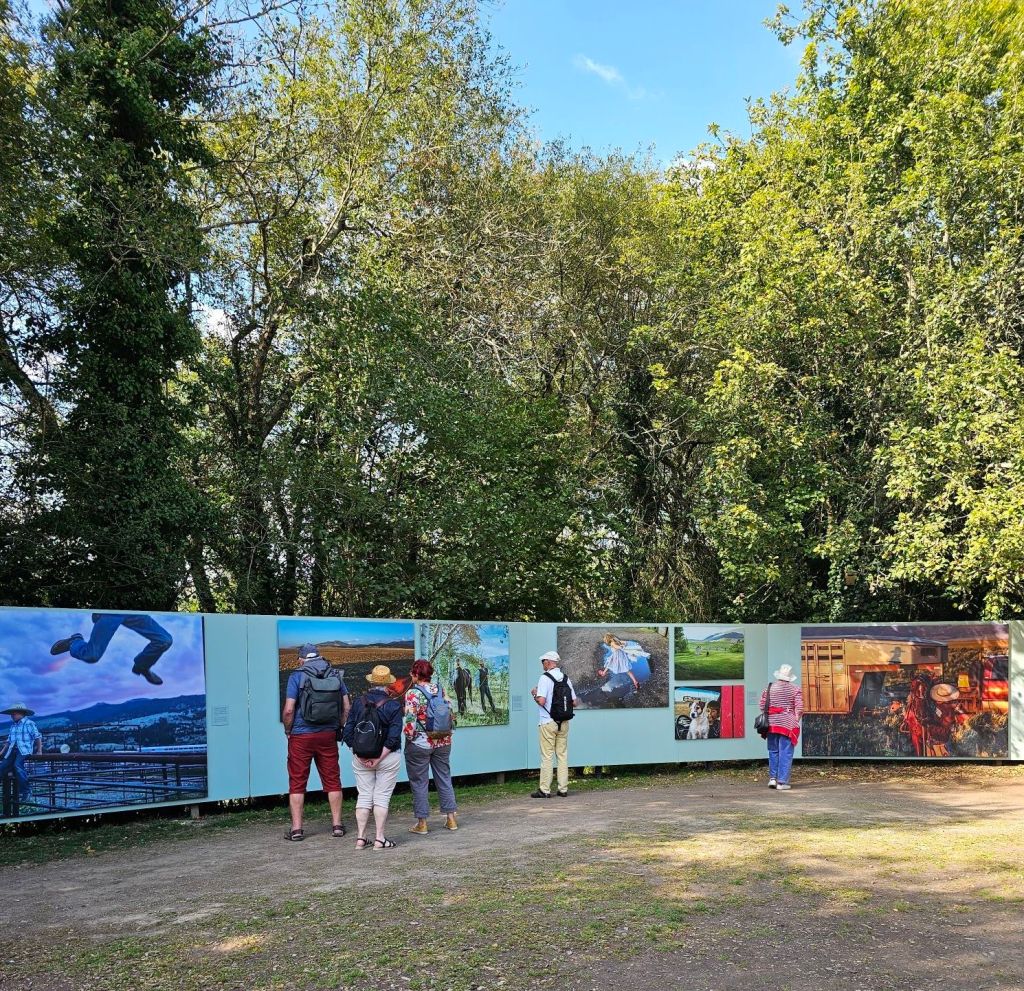
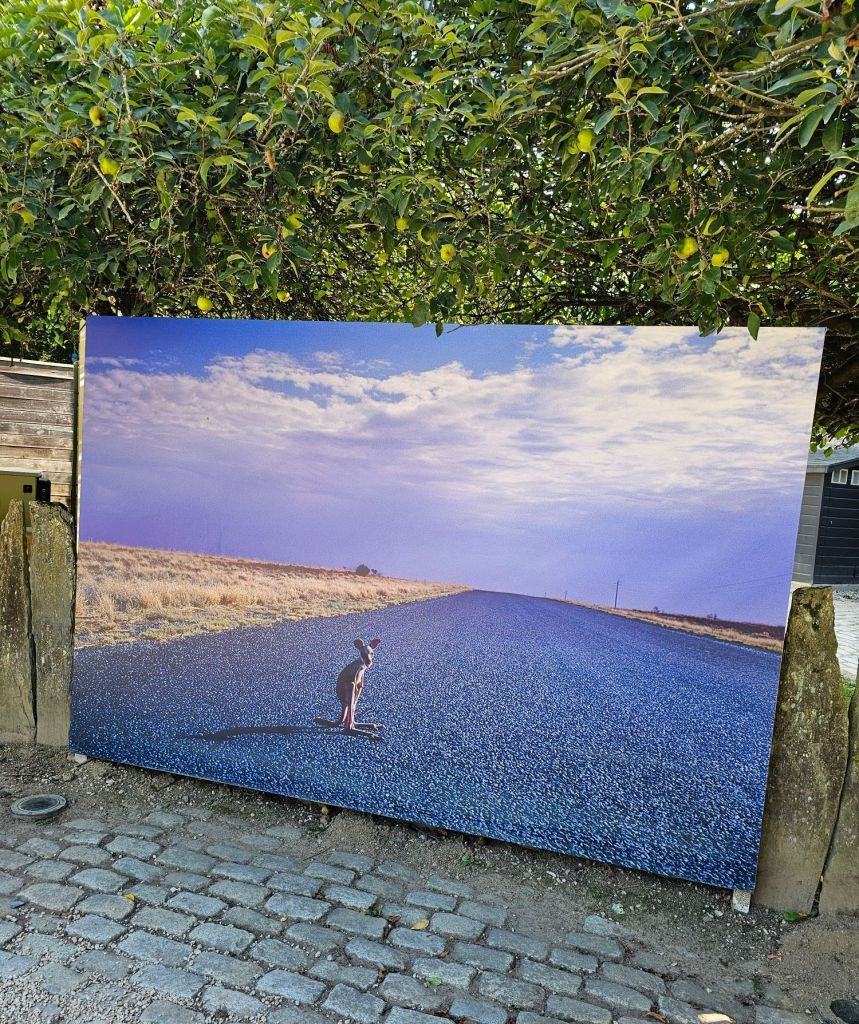
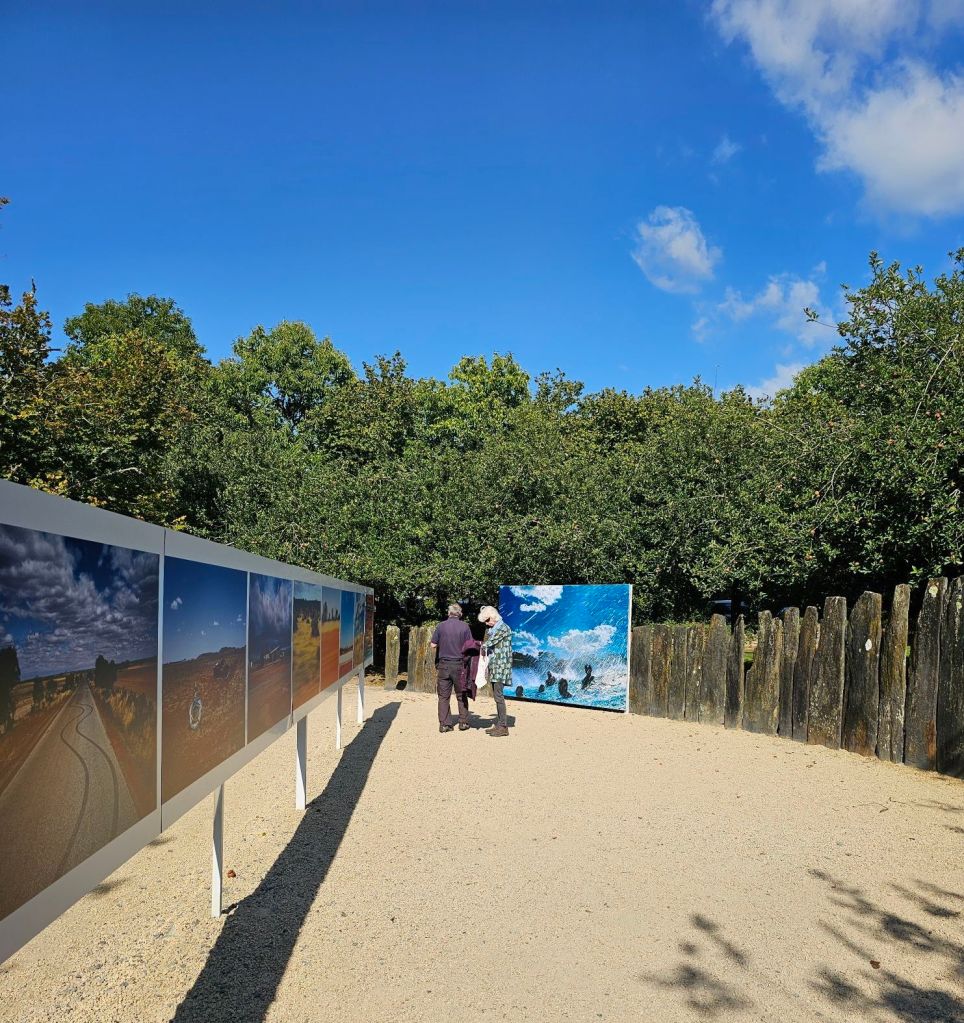
La Gacilly is a charming little village 45 kms from Josselin. The “Festival Photo de La Gacilly” is an annual event usually taking place between the months of June and October, during which some streets and the botanic gardens are decorated with photographs from professionals from all over the world.
This year the main theme was Australian artists although there were also a couple of US artists and some from PNG.
We took a drive there this afternoon with our friends Lucy and David from Oxford who are staying with us for a few days. Very enjoyable afternoon although we ran out of time and did not see all of the exhibits by any means. It’s a lovely little town even without the exhibits and the townspeople are very friendly.




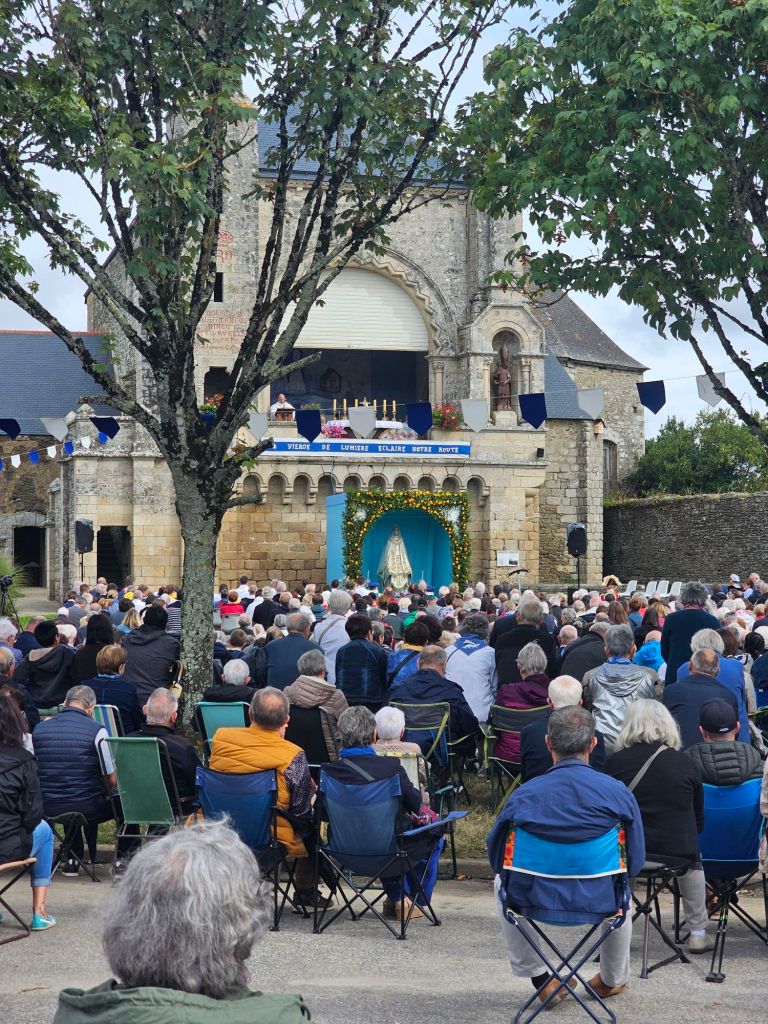
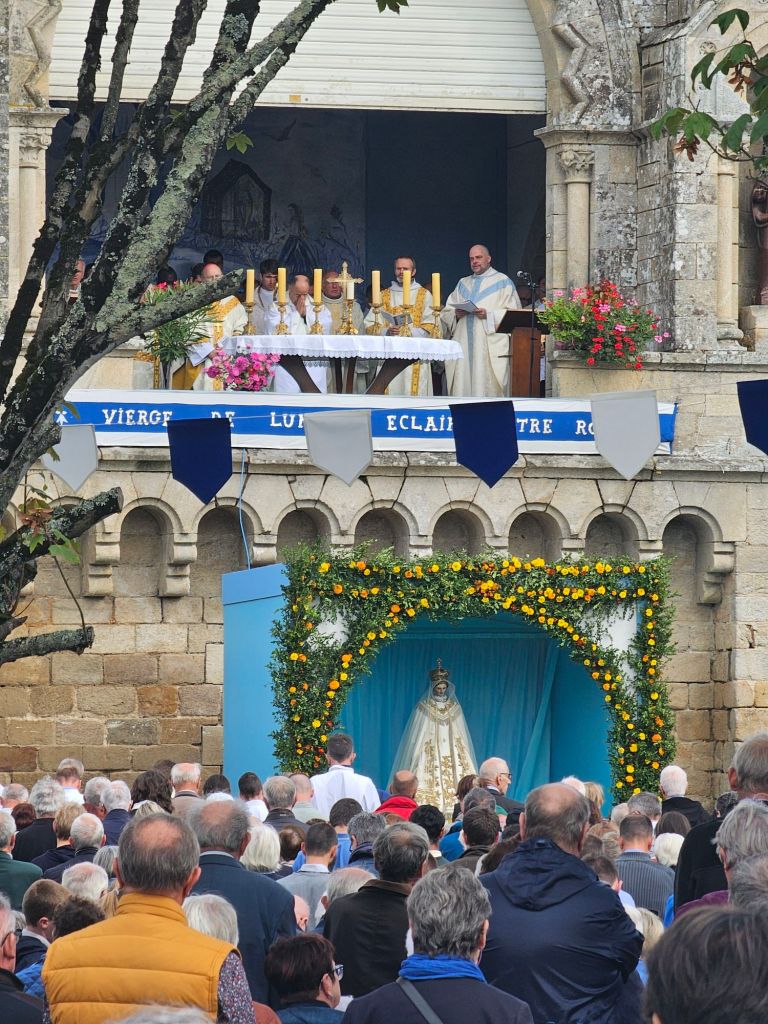
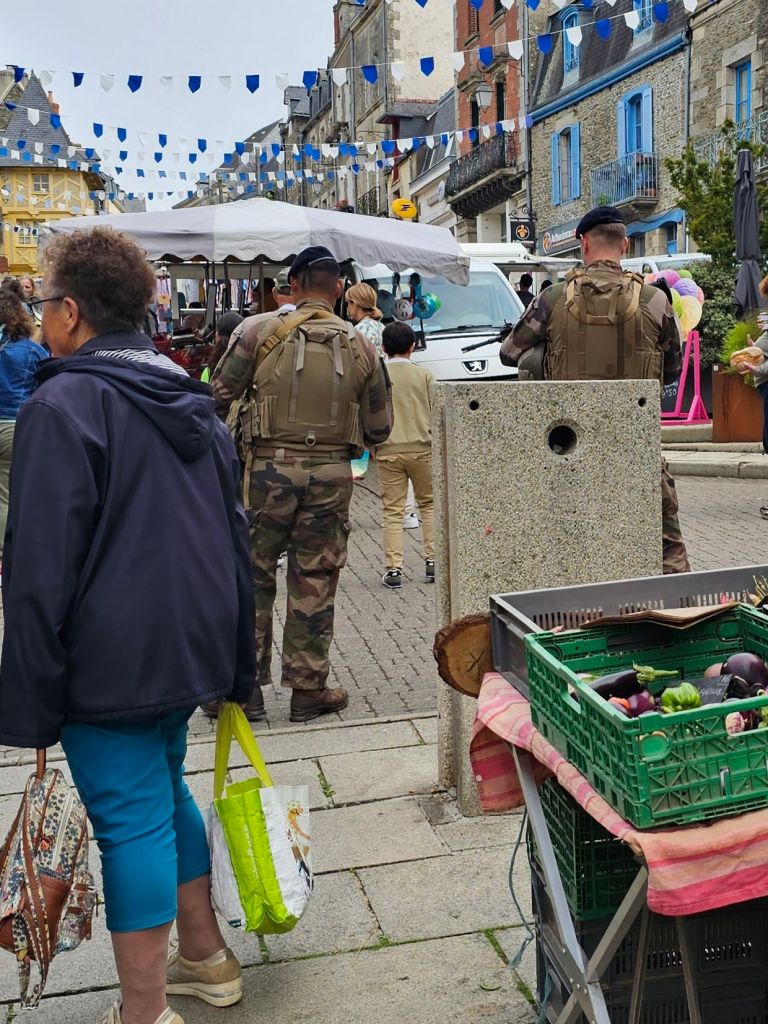
I wandered up to the market as per usual and was somewhat taken aback to see half a dozen or so armed soldiers guarding the place. It’s because of the pardon this weekend presumably but I can’t say I felt any safer having armed soldiers hanging about. The stall holders I talked to felt the same I think. They have had some unfortunate incidents in France so I guess it’s fair enough.
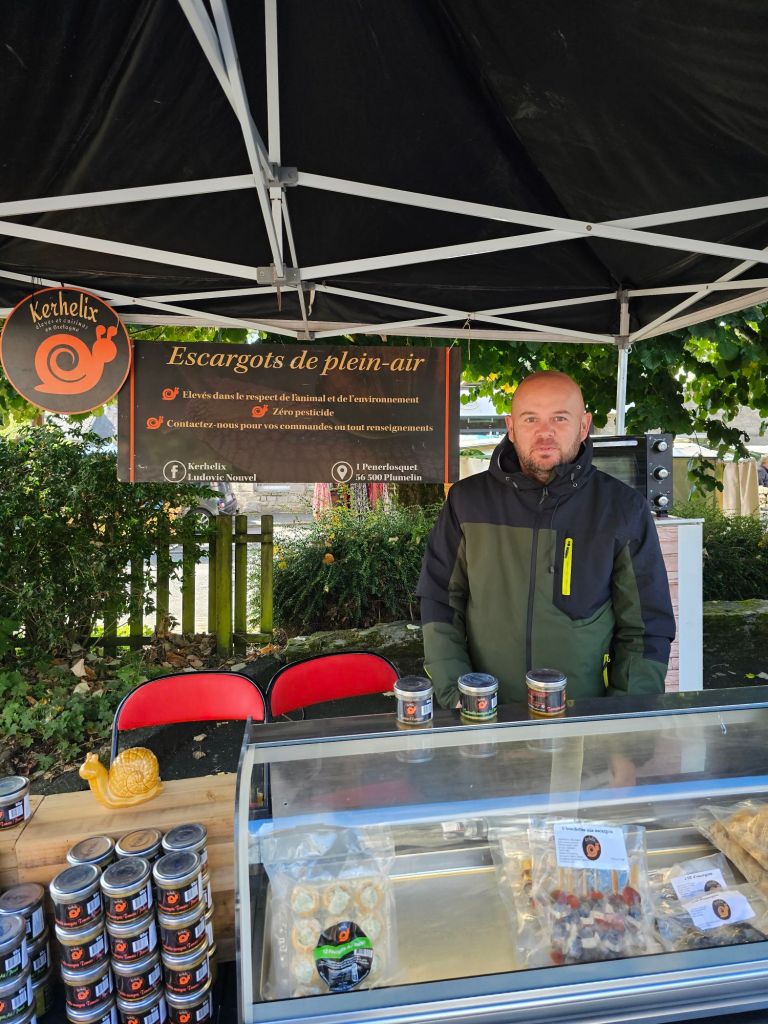
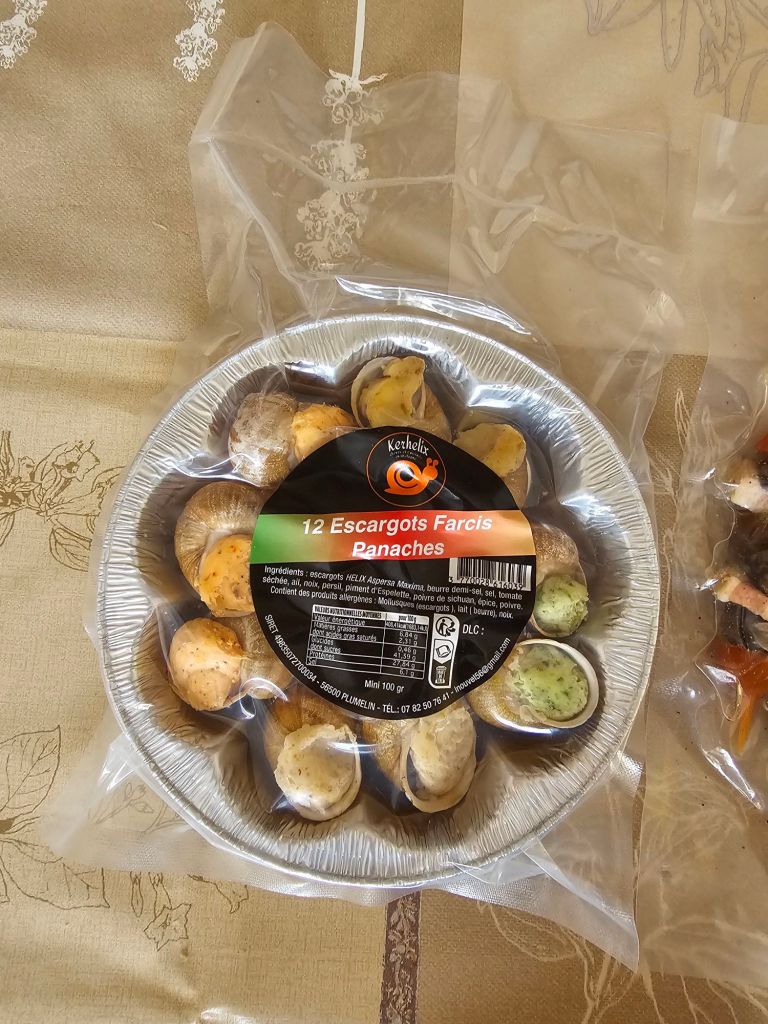
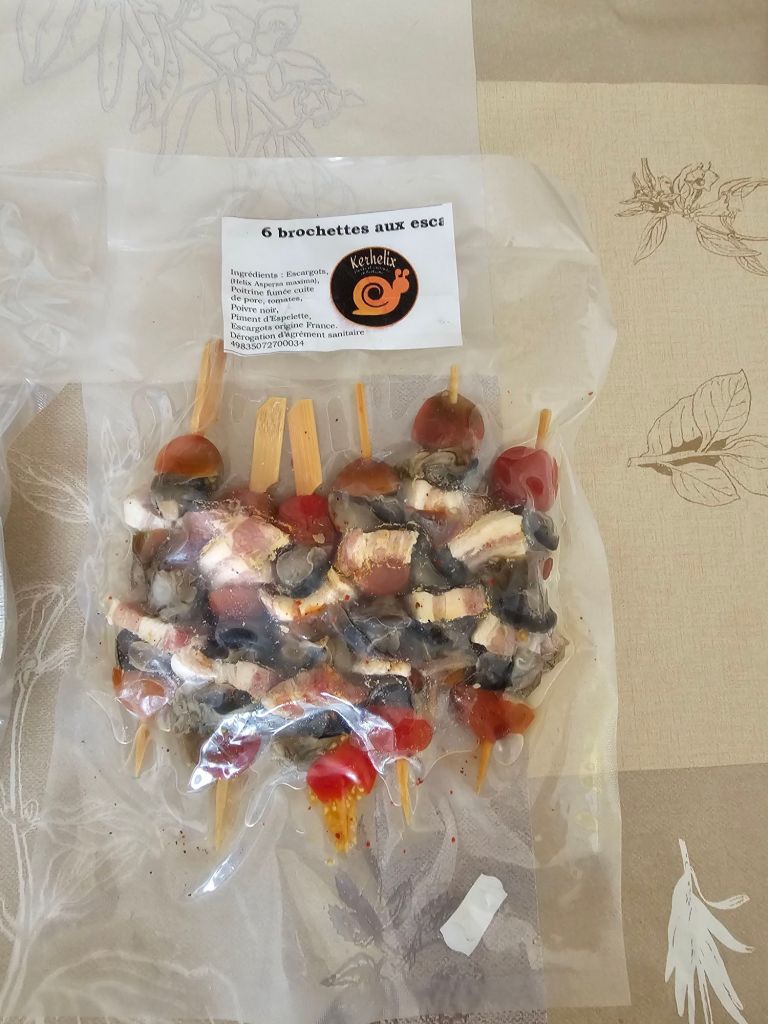
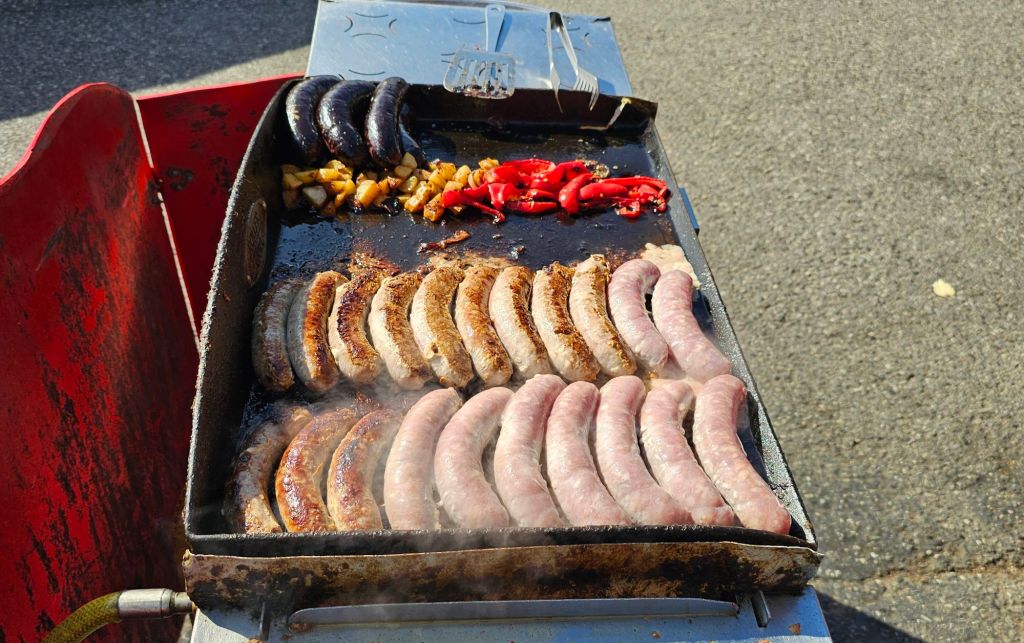
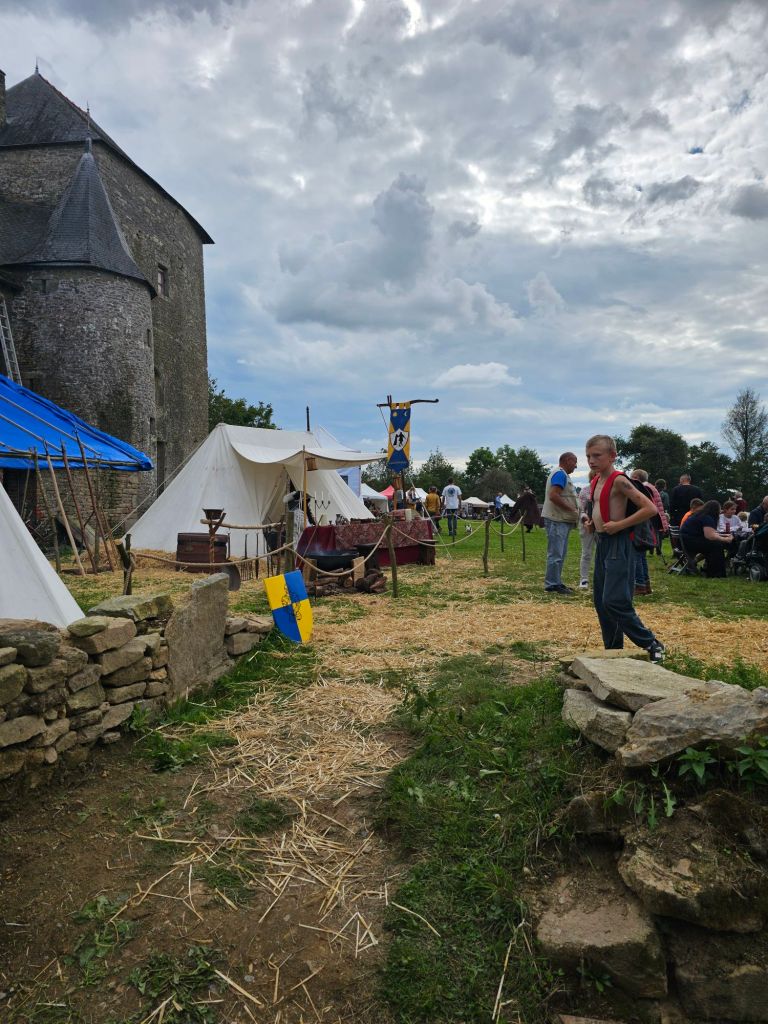
I bumped into our friend Françoise at the market and she kindly invited me to come with them to this médiéval market at Guégon in the afternoon.