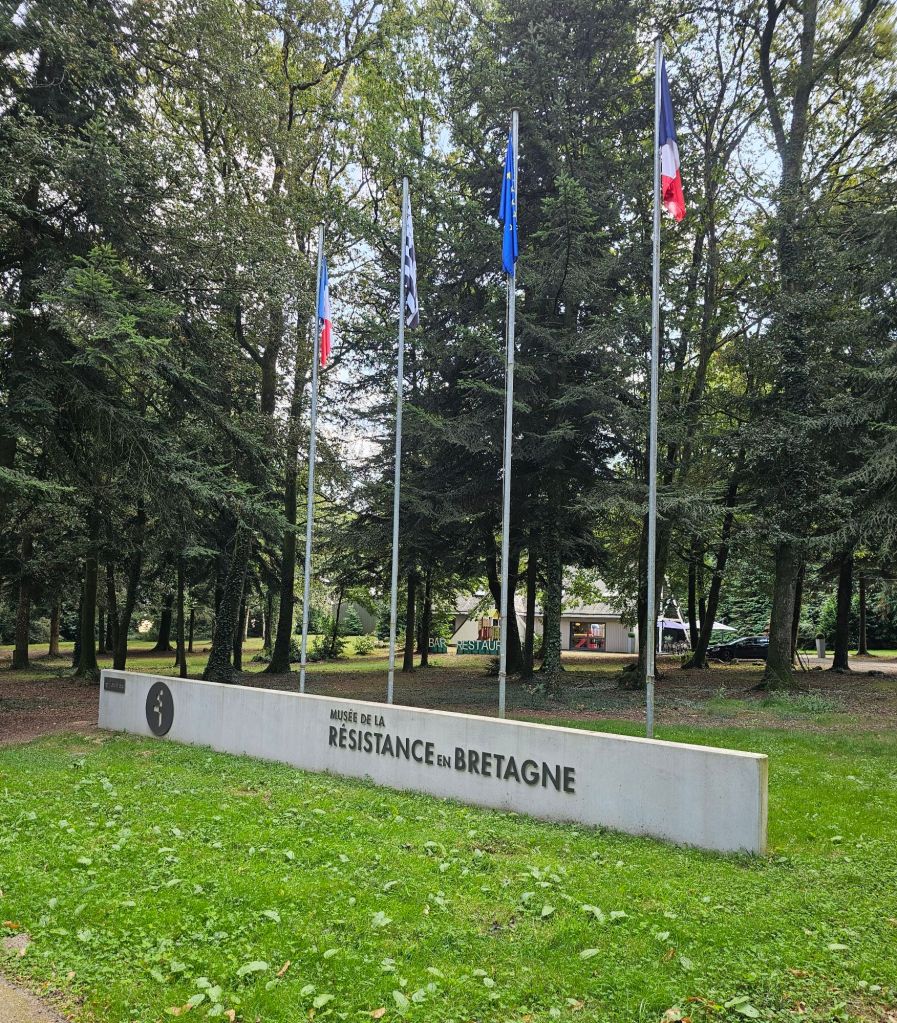
We’ve been to this museum several times since we started coming to Josselin, but they’ve totally renewed it in 2021 and our visitors were keen to see it so we went there one afternoon. I was particularly struck by this exhibit titled “the eternal return of war” which I’ve translated below.
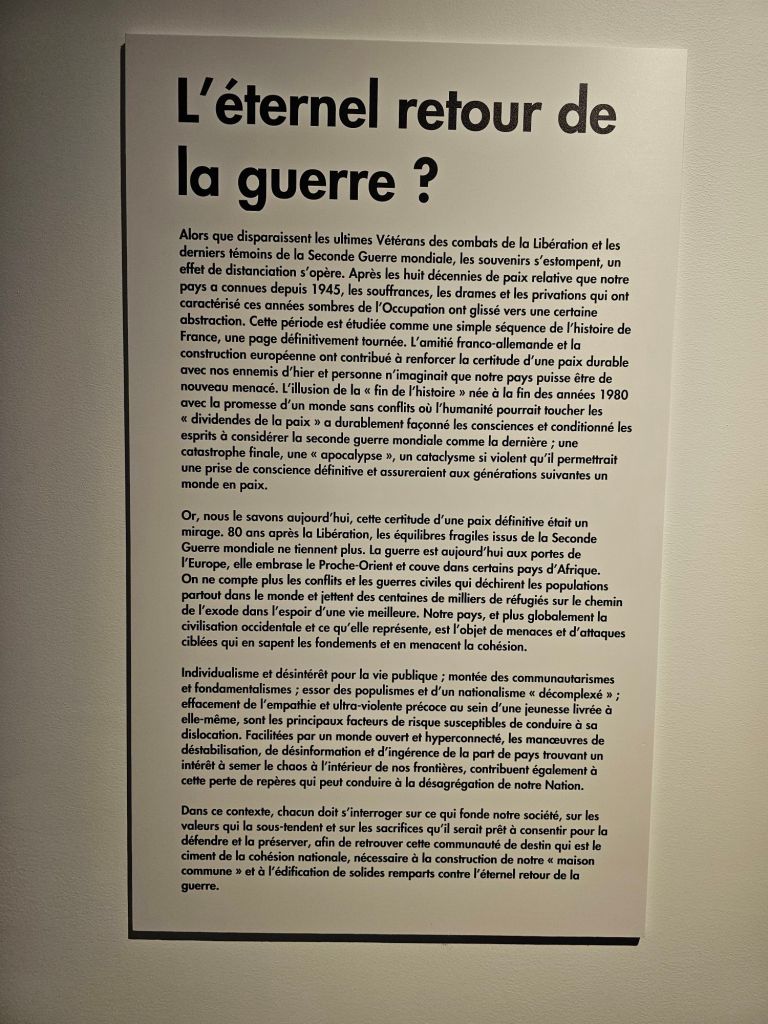
“The eternal return of war?
As the last veterans of the Liberation battles and the last witnesses of the Second World War disappear, memories fade, a distancing effect occurs. After the eight decades of relative peace that our country has known since 1945, the suffering, dramas and deprivations that characterized these dark years of the Occupation have slipped into a certain abstraction. This period is studied as a simple sequence in the history of France, a page definitively turned. Franco-German friendship and European construction have contributed to reinforcing the certainty of a lasting peace with our enemies of yesterday and no one imagined that our country could be threatened again. The illusion of the “end of history” born at the end of the 1980s with the promise of a world without conflicts where humanity could touch the “peace dividends” has lastingly shaped consciences and conditioned minds to consider the Second World War as the last; a final catastrophe, an “apocalypse”, a cataclysm so violent that it would allow a definitive awareness and would assure the following generations a world at peace.
However, we know today that this certainty of a definitive peace was a mirage. 80 years after the Liberation, the fragile balances resulting from the Second World War no longer hold. War is today at the gates of Europe, it is burning in the Middle East and smoldering in certain African countries. We have lost count of the conflicts and civil wars that are tearing populations apart all over the world and throwing hundreds of thousands of refugees on the path of exodus in the hope of a better life. Our country, and more generally Western civilization and what it represents, is the object of threats and targeted attacks that undermine its foundations and threaten its cohesion.
Individualism and disinterest in public life; rise of communitarianism and fundamentalism; rise of populism and an “uninhibited” nationalism; erasure of empathy and early ultra-violence among a youth left to its own devices, are the main risk factors likely to lead to its dislocation. Facilitated by an open and hyperconnected world, the maneuvers of destabilization, disinformation and interference on the part of countries finding an interest in sowing chaos within our borders, also contribute to this loss of bearings that can lead to the disintegration of our Nation.
In this context, everyone must question what our society is based on, the values that underpin it and the sacrifices they would be prepared to make to defend and preserve it, in order to rediscover this community of destiny which is the cement of national cohesion, necessary for the construction of our “common home” and the building of solid ramparts against the eternal return of war.”
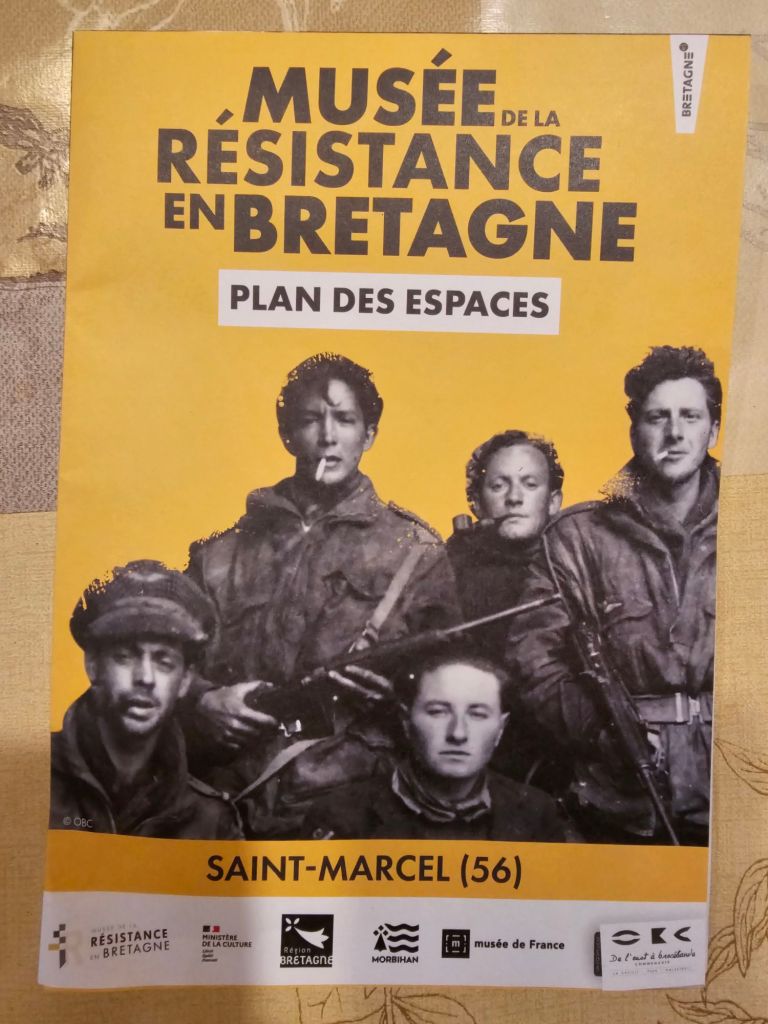
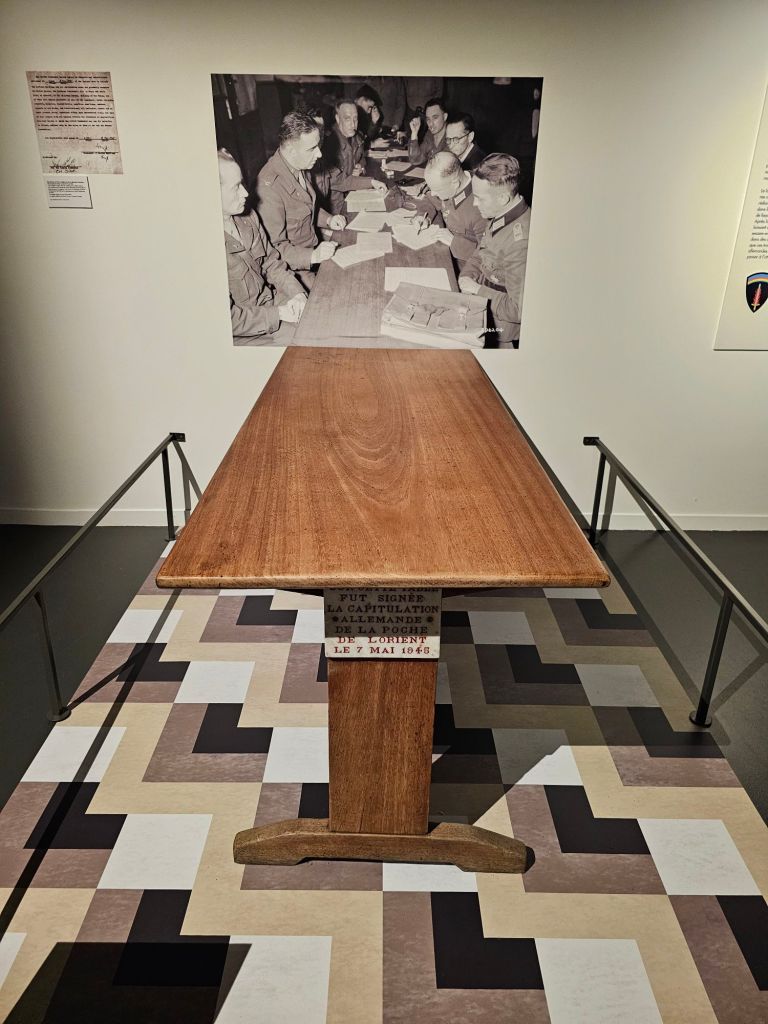
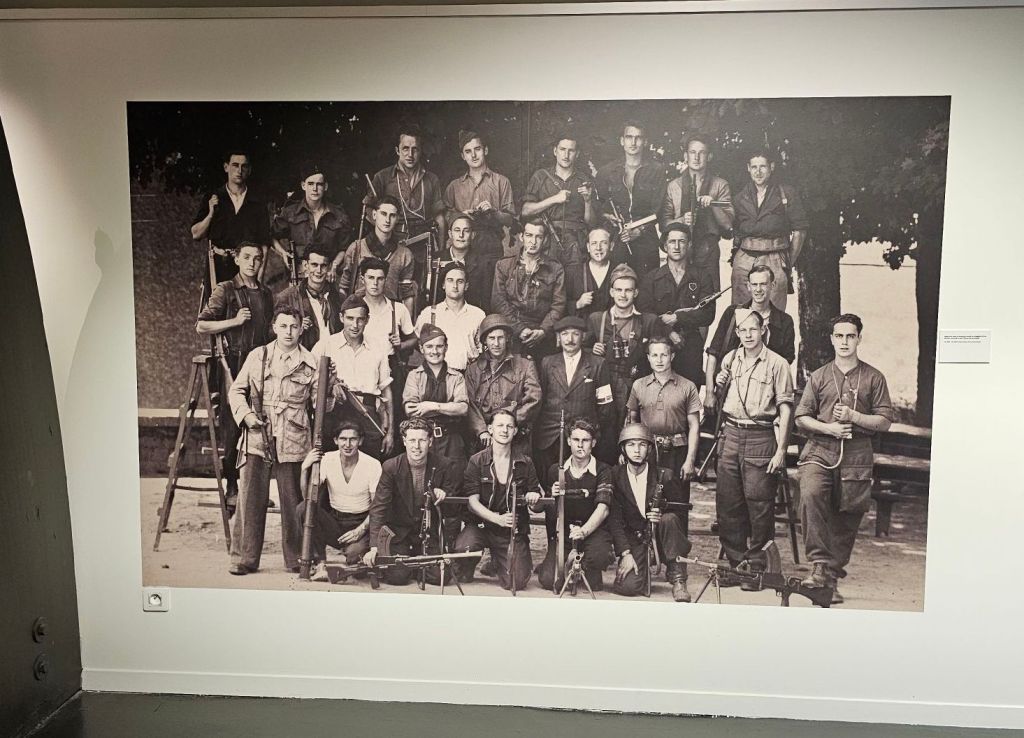
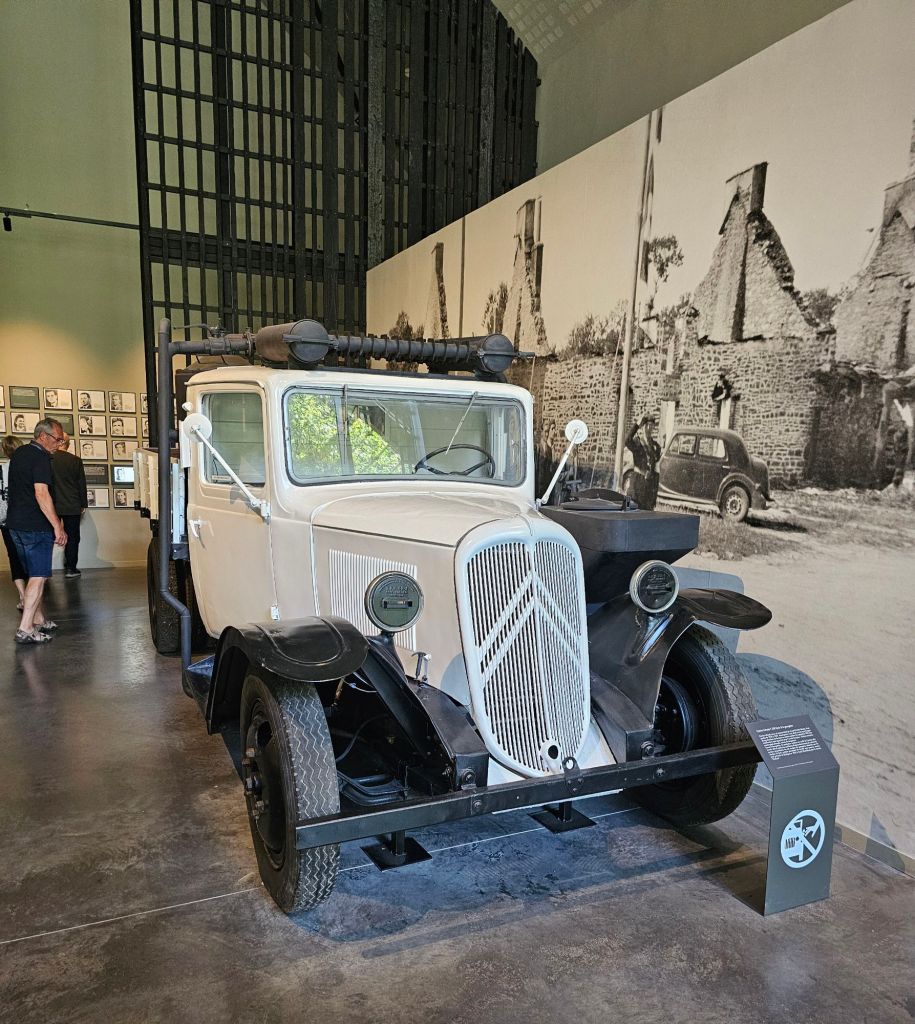
The museum has a lot of displays, interviews with surviving members of the local resistance, German and US vehicles and a history of the war as it affected Brittany, it’s rather somber but very well done. Well worth a visit.
 Lepod's Blog
Leave a comment